

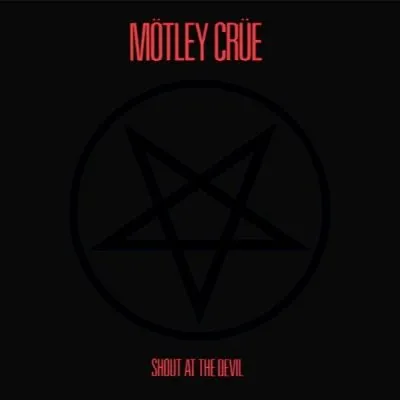
Shout at the Devil
Mötley Crüe · 1983
34 min · 11 tracks · hard rock
Arena-sized chants rise over serrated guitar riffs and a rhythm section built for impact.
Top tracks — play these first
-
→
Shout at the Devil Start here — A massed vocal chant turns the title track into an arena rally, while Mick Mars’s clipped riff gives its occult theater a muscular center.
-
→
Looks That Kill — Its stalking guitar riff and shouted chorus show how the band made a darkly theatrical image work within a tightly constructed hard-rock single.
-
→
Helter Skelter — The Beatles cover takes an already frantic song into heavier territory, connecting the album’s sense of menace to an earlier rock-era upheaval.
-
→
Too Young to Fall in Love — A melodic chorus cuts through the album’s heavier attack, revealing the pop instincts that helped carry the band beyond metal audiences.
Elevation
Our rating, out of 100 — and why.
AI-generated from five scored dimensions. An opinion, not a measurement.
The album showcases strong songwriting and production while maintaining a distinct glam metal identity.
What we noticed
- The album opens with a spoken-word intro that sets a dark tone before launching into the title track, which features aggressive guitar riffs and a driving beat.
- Several tracks incorporate theatrical elements, such as dramatic shifts in dynamics and tempo, particularly in 'God Bless the Children of the Beast' and 'Helter Skelter'.
- The last three tracks maintain a consistent energy level but vary in lyrical themes, exploring rebellion and youthful angst.
- Composition 25% of the score
-
7/10
- Craft 20% of the score
-
8/10
- Durability 25% of the score
-
6/10
- Distinctiveness 18% of the score
-
8/10
- Sequencing 12% of the score
-
7/10
the writing — melody, harmony, structure, lyrics
production, performance, arrangement
whether it rewards returning to it
whether it sounds like itself
running order, pacing, length
Significant within its genre. Reported but not counted — how far a record travelled describes its reception rather than the record, and a newer release has had less time to travel than an older one.
Is this for you?
Good fit if you like
- steady energetic flow throughout
- party-ready anthems for celebration
- rebellious spirit and attitude
- short bursts of excitement
- engaging sing-along choruses
Maybe skip if you
- prefer slow, reflective music
- seek long, intricate compositions
Where this album fits
- In the catalog
- Breakthrough — This album established Mötley Crüe's reputation and led to wider recognition.
- Themes
- glam metal rebellion· seductive danger
- Career context
- Released in 1983, Shout at the Devil was Mötley Crüe’s second album, following their 1981 debut Too Fast for Love. Working with producer Tom Werman, the Los Angeles band sharpened its sound for a larger audience while retaining the menace and theatricality of its early club years.
Moments worth listening for
Where the writing does something specific.
-
Shout at the Devil
The verses list the devil’s changing guises before the chorus answers with a collective command to defy him.
The shift from accumulating threats to a repeated imperative turns a catalogue of danger into a chant built for a crowd.
Tracklist
- 1 In the Beginning 1:13
- 2 Shout at the Devil Start here 3:13
- 3 Looks That Kill 4:07
- 4 Bastard 2:51
- 5 God Bless the Children of the Beast 1:30
- 6 Helter Skelter 3:12
- 7 Red Hot 3:21
- 8 Too Young to Fall in Love 3:34
- 9 Knock 'em Dead, Kid 3:43
- 10 Ten Seconds to Love 4:15
- 11 Danger 3:44
What to play next
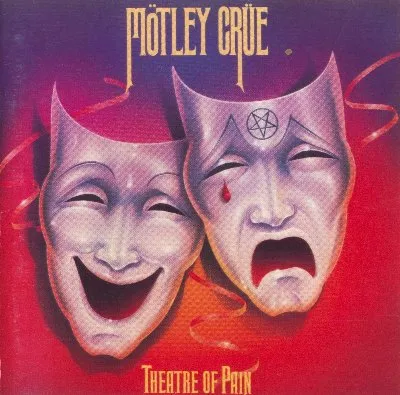
Theatre of Pain
1985
Continues the theatrical and rebellious themes with a fresh sound.
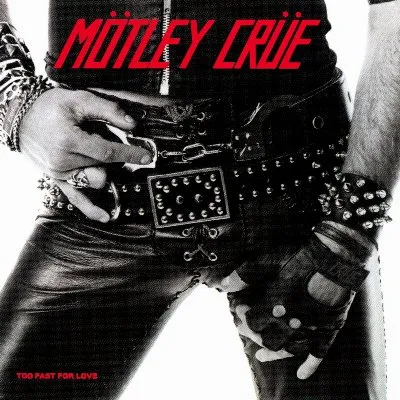
Too Fast for Love
1981
Sets the stage with raw energy and early Mötley Crüe style.
If this landed
Records by other artists that run on the same instinct.
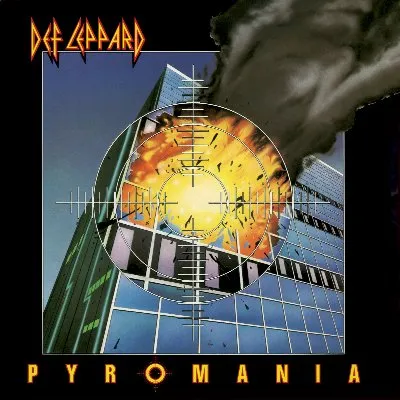
Pyromania
Def Leppard
Features explosive hooks and glam aesthetics, echoing themes of rebellion and youthful exuberance.
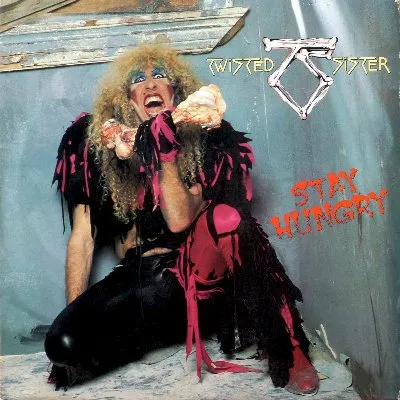
Stay Hungry
Twisted Sister
Shares the same anthemic energy and provocative lyrics that challenge norms in a theatrical glam metal style.
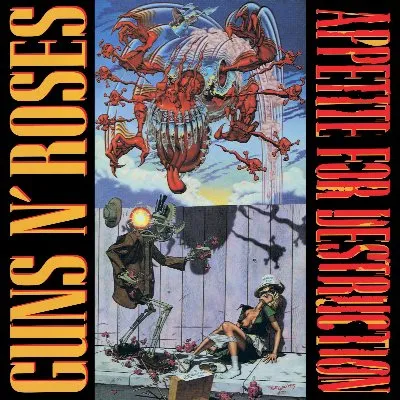
Appetite for Destruction
Guns N' Roses
Combines raw rock energy with gritty narratives of rebellion and danger, resonating with similar themes.
Reference: Wikipedia · MusicBrainz · Wikidata
Sync your library
Everything you track here works immediately — no account needed. Create one when you want to sync across devices.