

Released 8 years ago this November
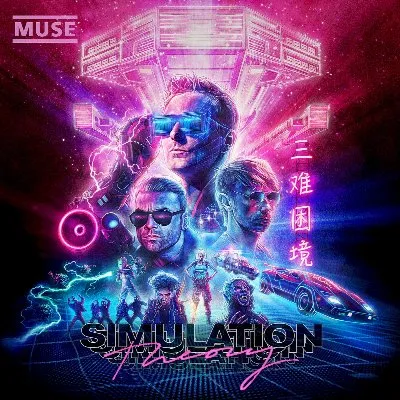
Simulation Theory
Muse · 2018
60 min · 16 tracks · alternative rock
Muse turn arena rock into a neon-lit science-fiction spectacle, with synthesizers and distorted guitars competing for the foreground.
Top tracks — play these first
-
→
Algorithm Start here — The opener establishes the album’s retro-futurist setting with arpeggiated synthesizers and an orchestral sweep before the record turns toward heavier rock.
-
→
The Dark Side — Pulsing electronics and a soaring Matt Bellamy vocal bring the album’s synth-pop and arena-rock impulses into sharp focus.
-
→
Pressure — A punchy guitar riff and brass accents give the album a more playful, physical jolt amid its electronic textures.
-
→
Break It to Me — Its clipped riff and rhythmic production take Muse into an unusually angular, funk-inflected space, capped by a deliberately abrasive guitar solo.
-
→
The Void — The closing track returns to synthesizer-led grandeur, building from a restrained opening toward a dramatic finale.
Elevation
Our rating, out of 100 — and why.
AI-generated from five scored dimensions. An opinion, not a measurement.
The album blends energetic rock with electronic elements, showcasing strong production and thematic consistency.
What we noticed
- The first half of the album maintains a high energy level with driving beats and synth-heavy instrumentation, while the second half introduces more introspective tracks.
- Several tracks feature layered vocal harmonies that create a rich texture, particularly in the choruses.
- The album employs a consistent thematic focus on technology and dystopia, with lyrics that often reference digital imagery and emotional struggles.
- Composition 25% of the score
-
7/10
- Craft 20% of the score
-
8/10
- Durability 25% of the score
-
6/10
- Distinctiveness 18% of the score
-
7/10
- Sequencing 12% of the score
-
6/10
the writing — melody, harmony, structure, lyrics
production, performance, arrangement
whether it rewards returning to it
whether it sounds like itself
running order, pacing, length
Known within its scene. Reported but not counted — how far a record travelled describes its reception rather than the record, and a newer release has had less time to travel than an older one.
Is this for you?
Good fit if you like
- wave-like pacing for immersion
- dynamic mix of styles
- anthems for motivational moments
- exploration of technology themes
- engaging acoustic reinterpretations
Maybe skip if you
- dislike textures
- prefer straightforward song structures
Where this album fits
- In the catalog
- Late Career Highlight — Strong release showing continued vitality after commercial peak.
- Themes
- technological anxiety· digital disconnection· artificial intelligence critique
- Career context
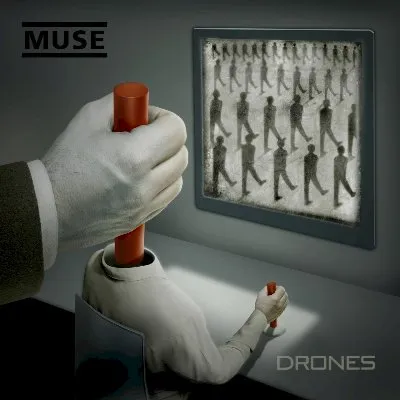
- Released in 2018, Simulation Theory was Muse’s eighth studio album and followed the guitar-driven Drones in 2015. The band shifted toward retro-futurist synthesizer textures and worked with several producers, including Rich Costey, Mike Elizondo and Shellback.
- Stylistic neighbors
- Radiohead· Queens of the Stone Age· Placebo
Moments worth listening for
Where the writing does something specific.
-
The Dark Side
The chorus turns from a first-person account of suffering to a direct plea for someone else to provide an escape.
That change in address makes the chorus an urgent appeal rather than simply a continuation of the verse’s self-description.
Tracklist
- 1 Algorithm Start here 4:05
- 2 The Dark Side 3:47
- 3 Pressure 3:55
- 4 Propaganda 3:00
- 5 Break It to Me 3:37
- 6 Something Human 3:46
- 7 Thought Contagion 3:26
- 8 Get Up and Fight 4:04
- 9 Blockades 3:50
- 10 Dig Down 3:48
- 11 The Void 4:44
- 12 Algorithm (Alternate Reality version) 3:32
- 13 The Dark Side (Alternate Reality version) 3:52
- 14 Propaganda (acoustic version) 2:59
- 15 Something Human (acoustic version) 3:46
- 16 Dig Down (acoustic gospel version) 3:57
If this landed
Records by other artists that run on the same instinct.
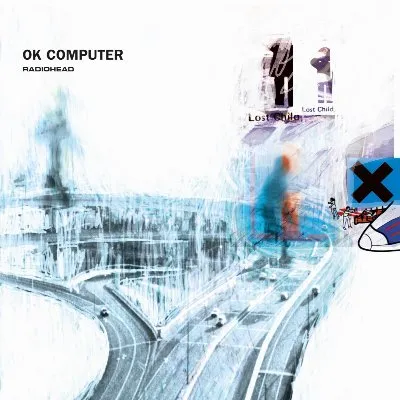
OK Computer
Radiohead
Explores themes of technology and alienation with a similar blend of rock and electronic elements.
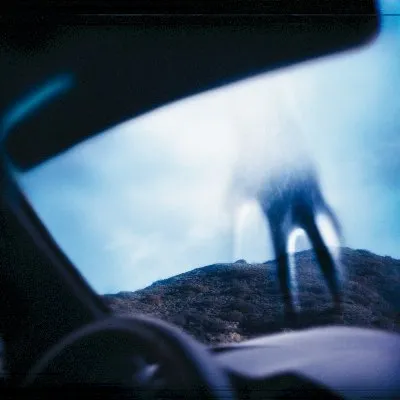
Year Zero
Nine Inch Nails
Shares a dystopian narrative and combines industrial sounds with electronic textures reflecting societal anxieties.
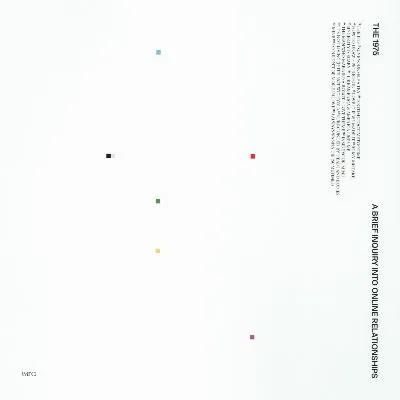
A Brief Inquiry Into Online Relationships
The 1975
Examines digital disconnection and modern relationships through lush production and introspective lyrics.
Reference: Wikipedia · MusicBrainz · Wikidata
Sync your library
Everything you track here works immediately — no account needed. Create one when you want to sync across devices.