


Solid Gold
Gang of Four · 1981
59 min · 15 tracks · punk rock
Angular guitar riffs and politically charged lyrics intertwine in a punchy, post-punk landscape that challenges societal norms.
Top tracks — play these first
-
→
Paralysed Start here — establishes the sonic palette early
-
→
What We All Want — This track encapsulates the band's ethos, combining infectious rhythms with biting lyrics that critique consumerism and societal expectations. Its catchy chorus contrasts with the serious themes, making it a quintessential Gang of Four statement.
-
→
To Hell With Poverty — A direct confrontation of socioeconomic issues, this song merges rhythmic intensity with pointed lyrics that challenge listeners to reconsider their complacency towards poverty. Its urgency reflects the band's political engagement during a time of social change.
-
→
He'd Send In the Army — This track stands out for its stark portrayal of militarism and government authority, using driving beats and layered guitars to amplify its message. The interplay between aggressive instrumentation and provocative lyrics exemplifies Gang of Four's unique style.
Elevation
Our rating, out of 100 — and why.
AI-generated from five scored dimensions. An opinion, not a measurement.
The album combines punk energy with sharp political themes, showcasing strong compositions and distinctive sound.
What we noticed
- The album opens with a driving bass line in 'Paralysed' that sets a high-energy tone, which is maintained through the first half of the record.
- Tracks like 'What We All Want' and 'To Hell With Poverty' feature jagged guitar riffs and syncopated rhythms, emphasizing the band's punk roots while incorporating funk elements.
- Several tracks, such as 'If I Could Keep It for Myself' and 'Capital (It Fails Us Now)', utilize abrupt tempo changes and dynamic shifts to enhance their political messages.
- Composition 25% of the score
-
7/10
- Craft 20% of the score
-
8/10
- Durability 25% of the score
-
6/10
- Distinctiveness 18% of the score
-
8/10
- Sequencing 12% of the score
-
6/10
the writing — melody, harmony, structure, lyrics
production, performance, arrangement
whether it rewards returning to it
whether it sounds like itself
running order, pacing, length
Significant within its genre. Reported but not counted — how far a record travelled describes its reception rather than the record, and a newer release has had less time to travel than an older one.
Is this for you?
Good fit if you like
- short, punchy tracks
- dynamic emotional journeys
- rhythmic urgency and intensity
- engaging live performance energy
Where this album fits
- In the catalog
- Breakthrough — Established Gang of Four's reputation in post-punk with critical acclaim and chart success.
- Themes
- economic inequality· militarism critique
- Moods
- Energetic· Aggressive
- Career context
- Released on March 1, 1981, Solid Gold was Gang of Four's third studio album, following the acclaimed Entertainment! This release came at a pivotal time when the band was solidifying their identity within the post-punk scene. By this point, they had already garnered significant critical acclaim and were positioned as leading voices in addressing political themes through music.
- Stylistic neighbors
- Wire· The Fall· Joy Division
Moments worth listening for
Where the writing does something specific.
-
What We All Want
The narrator shifts from a personal reflection to a broader societal critique, calling out the emptiness behind material desires.
Tracklist
- 1 Paralysed Start here 3:23
- 2 What We All Want 4:59
- 3 Why Theory? 2:33
- 4 If I Could Keep It for Myself 4:09
- 5 Outside the Trains Don't Run on Time 3:19
- 6 Cheeseburger 4:05
- 7 The Republic 3:21
- 8 In the Ditch 4:22
- 9 A Hole in the Wallet 4:05
- 10 He'd Send In the Army 4:28
- 11 To Hell With Poverty 4:59
- 12 Capital (It Fails Us Now) 4:04
- 13 History's Bunk! 3:01
- 14 Cheeseburger (live) 3:40
- 15 What We All Want (live) 5:24


If this landed
Records by other artists that run on the same instinct.
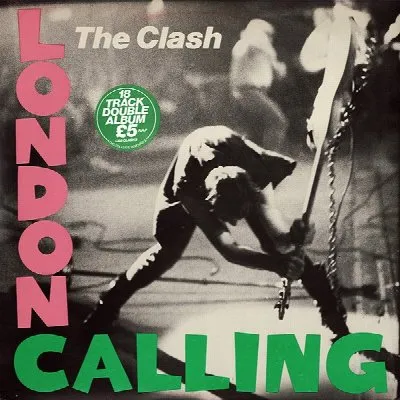
London Calling
The Clash
Shares political urgency and punk energy, blending rock with reggae and ska influences.

154
Wire
Captures a similar angularity and rhythmic complexity while exploring themes of alienation.

Metal Box
Public Image Ltd.
Combines post-punk's rhythmic intensity with sharp social critique and experimental soundscapes.
Reference: Wikipedia · MusicBrainz · Wikidata
Sync your library
Everything you track here works immediately — no account needed. Create one when you want to sync across devices.