

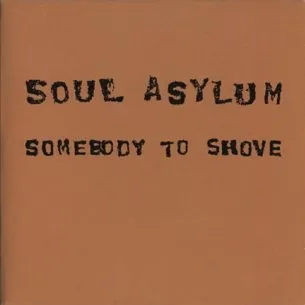
Somebody to Shove
Soul Asylum · 1992
14 min · 4 tracks · alternative rock
A vibrant blend of gritty alternative rock and introspective lyrics that capture the angst of the early '90s.
Top tracks — play these first
-
→
Somebody to Shove — This title track encapsulates the album's raw energy and lyrical exploration of searching for connection amidst chaos, setting the tone for the rest of the record.
-
→
Runaway Train (live version) — The live rendition of 'Runaway Train' showcases the band's dynamic performance style and emotional depth while highlighting its significance as one of their most iconic songs.
-
→
By the Way (demo) — This demo offers listeners an intimate glimpse into the band's creative process, featuring a more stripped-down version that emphasizes lyrical content and melody.
Where this album fits
- In the catalog
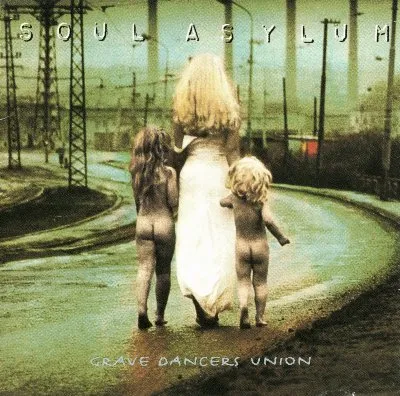
- Breakthrough — This album solidified Soul Asylum's mainstream recognition after 'Grave Dancers Union'.
- Themes
- early '90s angst· search for connection· chaotic intimacy
- Career context
- Released in 1992, Somebody to Shove marked Soul Asylum's third studio album and followed their breakthrough record, Grave Dancers Union. This album came at a time when the band was solidifying its presence in the alternative rock scene, poised for wider recognition after the success of their previous work.
- Stylistic neighbors
- Gin Blossoms· Counting Crows· Bush
Moments worth listening for
Where the writing does something specific.
-
Somebody to Shove
The chorus repeatedly demands attention through its anthemic plea for connection, contrasting with verses that delve into feelings of isolation.
This structure creates a powerful juxtaposition between desperation and hope, making it a hallmark of alternative rock's emotional complexity.
Tracklist
Best experienced from track one — press play and let it unfold.
- 1 Somebody to Shove 3:15
- 2 Somebody to Shove (live version) 3:17
- 3 Runaway Train (live version) 4:11
- 4 By the Way (demo) 3:45
If this landed
Records by other artists that run on the same instinct.

Nevermind
Nirvana
Shares the same early '90s angst and chaotic intimacy, blending raw energy with introspective lyrics.
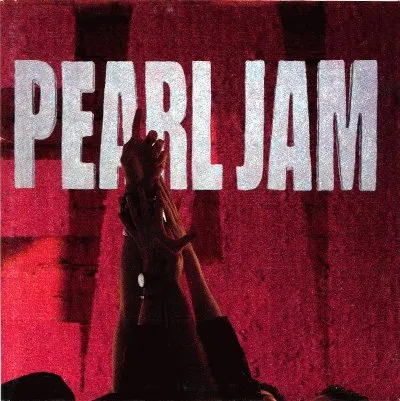
Ten
Pearl Jam
Explores themes of connection and alienation with a similar gritty alternative rock sound and emotional depth.
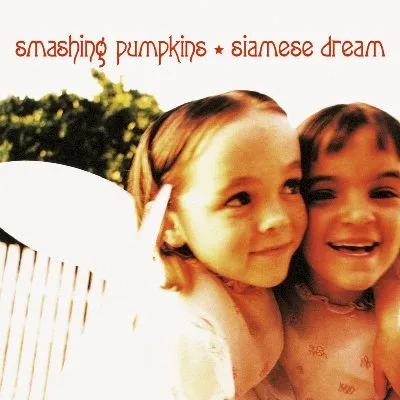
Siamese Dream
The Smashing Pumpkins
Combines lush melodies with a sense of turmoil, reflecting the vibrant yet introspective mood of the era.
Reference: Wikipedia · MusicBrainz · Wikidata
Sync your library
Everything you track here works immediately — no account needed. Create one when you want to sync across devices.