

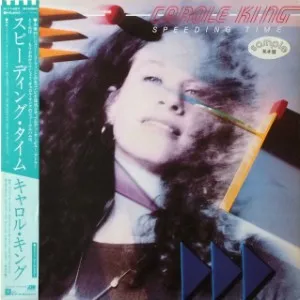
Speeding Time
Carole King · 1983
38 min · 10 tracks · folk rock
Carole King’s familiar warmth meets the polished pop textures of the early 1980s.
Top tracks — play these first
-
→
Computer Eyes Start here — The opening track places King’s songwriting in an early-1980s setting, making its technological imagery a striking contrast with her earlier singer-songwriter work.
-
→
Crying in the Rain — King returns to her pre-Tapestry songwriting career with her own version of the Everly Brothers hit, connecting two distinct phases of her musical life.
-
→
Speeding Time — The title track gives the album one of its longer stretches, letting its concern with time unfold beyond the compact pop form of the opening songs.
-
→
Alabaster Lady — At nearly six minutes, the closing track gives the record a more expansive final chapter than its short opening run suggests.
Elevation
Our rating, out of 100 — and why.
AI-generated from five scored dimensions. An opinion, not a measurement.
The album reflects King's transition to a contemporary sound, balancing soft rock with electronic elements.
What we noticed
- Several songs incorporate layered harmonies and synth arrangements, creating a contemporary sound distinct from her earlier acoustic work.
- The album includes moments of tempo variation, particularly in tracks like 'Crying in the Rain', which shifts to a more introspective pace.
- Composition 25% of the score
-
6/10
- Craft 20% of the score
-
7/10
- Durability 25% of the score
-
5/10
- Distinctiveness 18% of the score
-
5/10
- Sequencing 12% of the score
-
6/10
the writing — melody, harmony, structure, lyrics
production, performance, arrangement
whether it rewards returning to it
whether it sounds like itself
running order, pacing, length
Little footprint beyond its audience. Reported but not counted — how far a record travelled describes its reception rather than the record, and a newer release has had less time to travel than an older one.
Is this for you?
Good fit if you like
- steady mid-tempo reflective moments
- poignant melodies for contemplation
- warm background for relaxation
- thoughtful tracks for quiet evenings
Maybe skip if you
- seeking high-energy excitement
- prefer instant gratification tracks
Where this album fits
- In the catalog
- Experimental — The album represents a shift to a more contemporary sound with electronic textures.
- Themes
- rain-soaked heartache· 1980s civic hope· synth-lit passage of time
- Career context
- Released in 1983, Speeding Time followed King’s 1982 album One to One. More than a decade after Tapestry, it found her balancing new material with a return to a song from her Brill Building years.
- Stylistic neighbors
- James Taylor· Carly Simon· Melissa Manchester
Tracklist
- 1 Computer Eyes Start here 3:08
- 2 One Small Voice 3:01
- 3 Crying in the Rain 2:32
- 4 Sacred Heart of Stone 3:45
- 5 Speeding Time 4:49
- 6 Standin’ on the Borderline 2:55
- 7 So Ready for Love 5:22
- 8 Chalice Borealis 3:15
- 9 Dancing 4:00
- 10 Alabaster Lady 5:45
What to play next
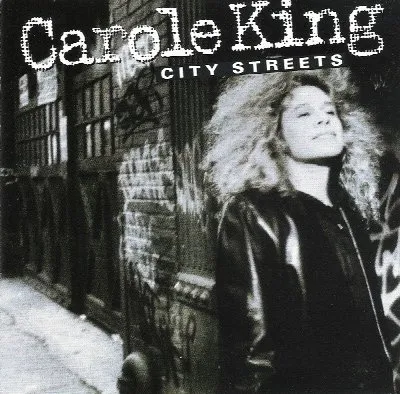
City Streets
1989
Continues the reflective tone with a more polished sound and engaging themes.
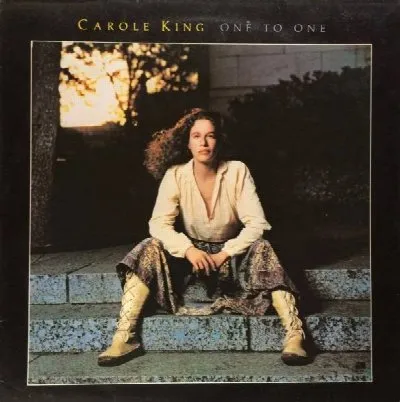
One to One
1982
Sets the stage with similar soft rock vibes and introspective lyrics.
If this landed
Records by other artists that run on the same instinct.
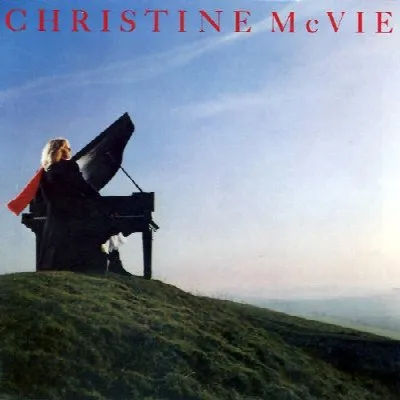
Christine McVie
Christine McVie
Pairs reflective soft-rock songwriting with polished early-'80s keyboards and intimate relationship themes.
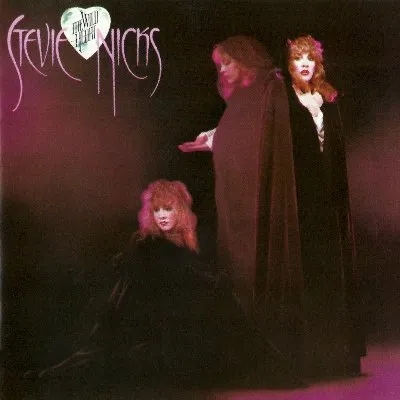
The Wild Heart
Stevie Nicks
Shares synth-lit soft rock, inward-looking lyrics, and a wistful sense of time passing.
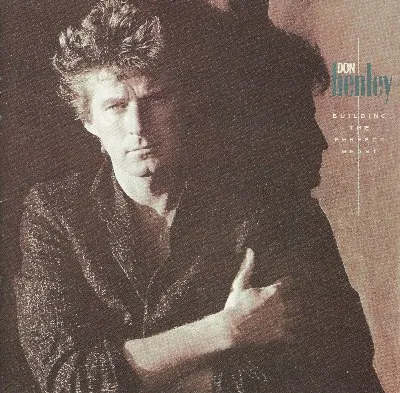
Building the Perfect Beast
Don Henley
Combines sleek synth textures with reflective writing and concerns about private longing and public life.
Reference: Wikipedia · MusicBrainz · Wikidata
Sync your library
Everything you track here works immediately — no account needed. Create one when you want to sync across devices.