

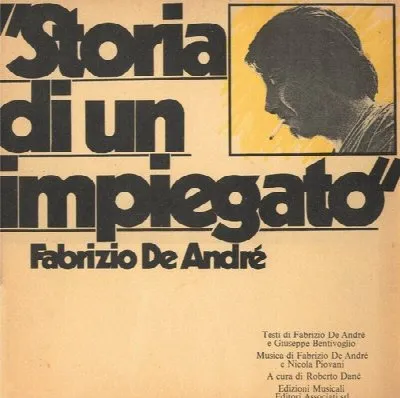
Storia di un impiegato
Fabrizio De André · 1973
35 min · 9 tracks · traditional folk music
A poignant blend of folk melodies and narrative-driven lyrics that encapsulate social critique and personal introspection.
Top tracks — play these first
-
→
Canzone del maggio Start here — This track serves as a rallying cry for social justice, blending traditional folk elements with powerful imagery that reflects the spirit of the May Day protests.
-
→
Il bombarolo — In this song, De André tells the story of a bomb thrower grappling with the moral implications of his actions, capturing the internal conflict prevalent in political activism.
-
→
Verranno a chiederti del nostro amore — This haunting ballad deals with love amidst turmoil, showcasing De André's ability to intertwine personal emotion with broader existential themes.
Elevation
Our rating, out of 100 — and why.
AI-generated from five scored dimensions. An opinion, not a measurement.
The album's narrative-driven songs and folk melodies create a cohesive exploration of social themes.
What we noticed
- The album opens with a spoken introduction that sets a narrative tone, followed by tracks that blend storytelling with melodic folk arrangements.
- Each song features a distinct structure, often alternating between verses and choruses, with some tracks incorporating instrumental interludes.
- The lyrics are dense and socially charged, often reflecting on themes of alienation and political unrest, which are woven into the fabric of the melodies.
- Composition 25% of the score
-
8/10
- Craft 20% of the score
-
7/10
- Durability 25% of the score
-
6/10
- Distinctiveness 18% of the score
-
7/10
- Sequencing 12% of the score
-
8/10
the writing — melody, harmony, structure, lyrics
production, performance, arrangement
whether it rewards returning to it
whether it sounds like itself
running order, pacing, length
Significant within its genre. Reported but not counted — how far a record travelled describes its reception rather than the record, and a newer release has had less time to travel than an older one.
Is this for you?
Good fit if you like
- steady narrative progression throughout
- poignant reflections on everyday struggles
- theatrical storytelling with emotional depth
- engaging lyrical themes of life
- thought-provoking moments for introspection
Maybe skip if you
- prefer fast-paced listening experiences
- seek standalone hit singles
Where this album fits
- In the catalog
- Breakthrough — Marked a shift to politically engaged themes, enhancing De André's recognition.
- Themes
- May 1968 revolution· Italian working-class struggles· psychological violence imagery
- Career context
- By the time Fabrizio De André released Storia di un impiegato in 1973, he was transitioning from his earlier commercial success to a more politically engaged and introspective phase. This album followed his previous work, Non al denaro non all'amore né al cielo, highlighting his evolution as an artist willing to tackle complex societal themes.
- Stylistic neighbors
- Lucinda Williams· Nick Drake· Leonard Cohen
Tracklist
- 1 Introduzione 1:42
- 2 Canzone del maggio Start here 2:24
- 3 La bomba in testa 4:01
- 4 Al ballo mascherato 5:12
- 5 Sogno numero due 3:13
- 6 La canzone del padre 5:14
- 7 Il bombarolo 4:20
- 8 Verranno a chiederti del nostro amore 4:19
- 9 Nella mia ora di libertà 5:09
What to play next
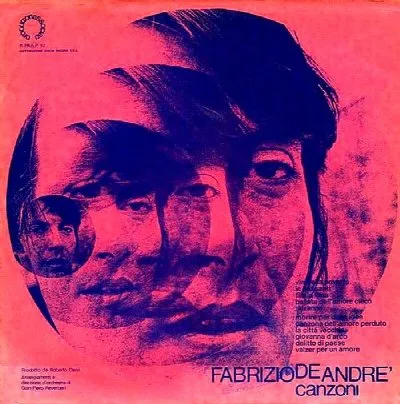
Canzoni
1974
Continues the narrative style with deeper explorations of themes and emotions.
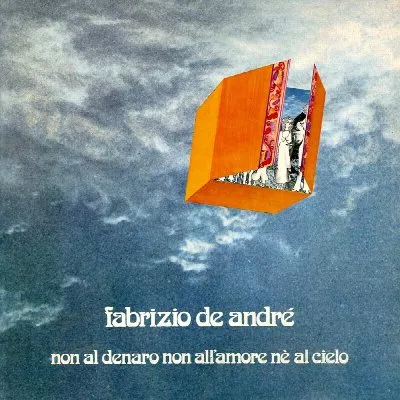
Non al denaro non all'amore né al cielo
1971
Sets the stage with similar folk influences and social commentary.
If this landed
Records by other artists that run on the same instinct.
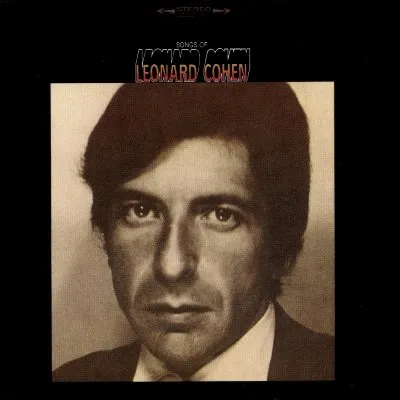
Songs of Leonard Cohen
Leonard Cohen
Shares a poetic storytelling style with deep social and emotional themes.
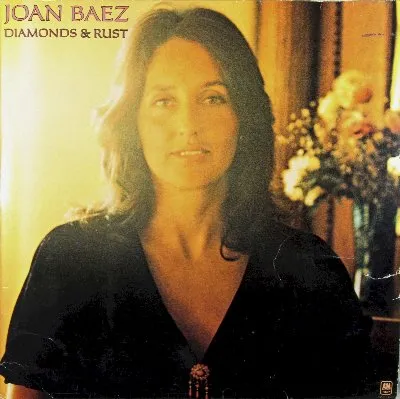
Diamonds & Rust
Joan Baez
Explores personal and political struggles through folk melodies and lyrical depth.
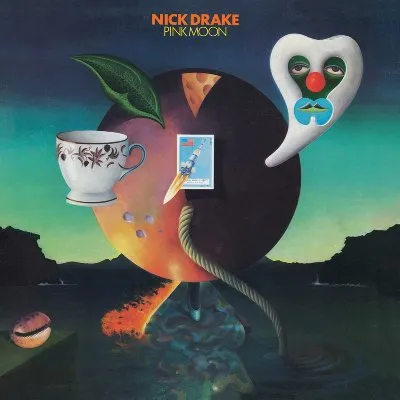
Pink Moon
Nick Drake
Captures introspective storytelling and melancholic folk sound, resonating with everyday struggles.
Reference: Wikipedia · MusicBrainz · Wikidata
Sync your library
Everything you track here works immediately — no account needed. Create one when you want to sync across devices.