

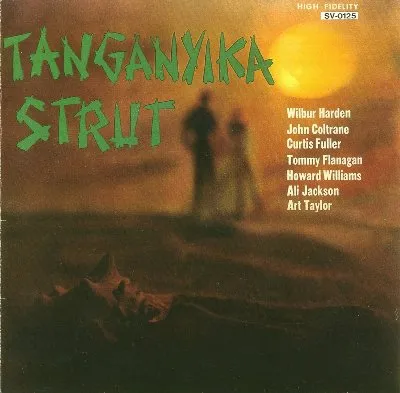
Tanganyika Strut
John Coltrane · 1958
27 min · 4 tracks · jazz
A vibrant tapestry of rhythmic complexity and melodic exploration that captures the essence of Coltrane's adventurous spirit.
Top tracks — play these first
-
→
Tanganyika Strut — The title track exemplifies Coltrane's mastery of rhythm and melody, weaving intricate patterns that highlight his technical virtuosity while maintaining a playful energy.
-
→
B.J. — With its engaging groove and intricate solos, this track reveals Coltrane's ability to blend complex harmonic structures with accessible melodies, making it a standout piece on the album.
-
→
Once in a While — This composition showcases Coltrane's lyrical side, featuring a haunting melody that contrasts with the more frenetic energy of other tracks, allowing listeners to appreciate his emotive playing.
Elevation
Our rating, out of 100 — and why.
AI-generated from five scored dimensions. An opinion, not a measurement.
InstrumentalColtrane's adventurous saxophone work and modal explorations mark this as a significant jazz record.
What we noticed
- The title track features a complex interplay between the saxophone and rhythm section, with shifting tempos that create a sense of movement.
- Each track showcases extended improvisation, particularly in 'B.J.' where Coltrane explores modal scales over a steady groove.
- The album closes with 'Once in a While', which introduces a more lyrical approach, contrasting with the energetic opener.
- Composition 25% of the score
-
8/10
- Craft 20% of the score
-
7/10
- Durability 25% of the score
-
8/10
- Distinctiveness 18% of the score
-
8/10
- Sequencing 12% of the score
-
6/10
the writing — melody, harmony, structure, lyrics
production, performance, arrangement
whether it rewards returning to it
whether it sounds like itself
running order, pacing, length
Significant within its genre. Reported but not counted — how far a record travelled describes its reception rather than the record, and a newer release has had less time to travel than an older one.
Where this album fits
- In the catalog
- Breakthrough — This album marked Coltrane's transition to a prominent solo career.
- Themes
- modal jazz experimentation· 1950s avant-garde scene· improvisational freedom
- Career context
- Released in January 1958, 'Tanganyika Strut' marked a transitional phase for John Coltrane as he was moving from his work with Miles Davis into a more prominent solo career. This album followed his breakthrough participation in Davis's 'Kind of Blue' and preceded his pivotal works that would define the avant-garde jazz movement.
- Stylistic neighbors
- Pharoah Sanders· Ornette Coleman· Albert Ayler
Tracklist
Best experienced from track one — press play and let it unfold.
- 1 Tanganyika Strut 7:28
- 2 B.J. 4:55
- 3 Anedac 5:14
- 4 Once in a While 9:29
If this landed
Records by other artists that run on the same instinct.
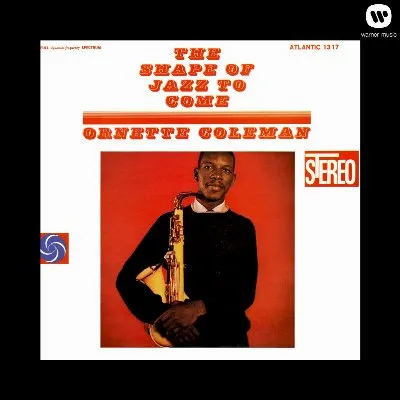
The Shape of Jazz to Come
Ornette Coleman
Explores free jazz with a focus on improvisation and modal structures, similar to Coltrane's adventurous spirit.
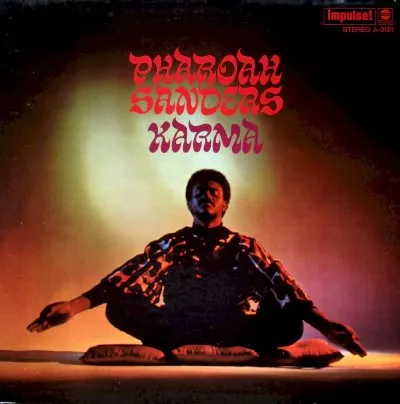
Karma
Pharoah Sanders
Shares a vibrant exploration of modal jazz and spiritual themes, expanding on improvisational freedom.
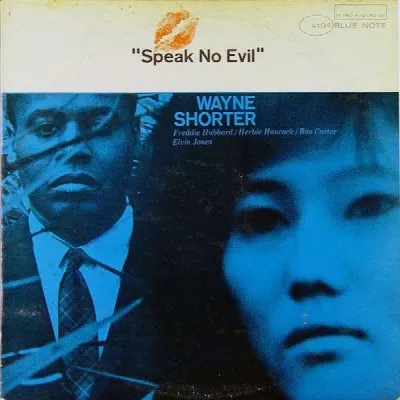
Speak No Evil
Wayne Shorter
Combines complex harmonies and adventurous compositions that align with Coltrane's modal experimentation.
Reference: Wikipedia · MusicBrainz · Wikidata
Sync your library
Everything you track here works immediately — no account needed. Create one when you want to sync across devices.