

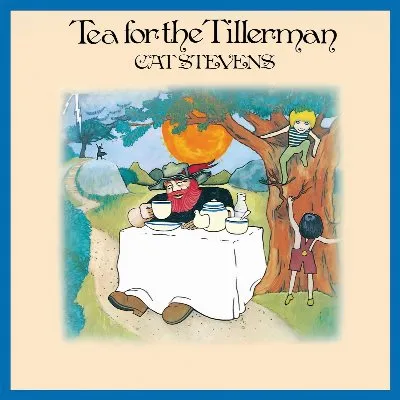
Released 56 years ago this November
Tea for the Tillerman
Cat Stevens · 1970
36 min · 11 tracks · pop music
Acoustic guitars carry Cat Stevens’s searching voice from fireside intimacy into sudden bursts of restless urgency.
Top tracks — play these first
-
→
Where Do the Children Play? Start here — The opener sets questions about progress against a rolling acoustic arrangement, giving the album’s social concerns an inviting melodic shape.
-
→
Wild World — A lilting melody softens the sting of a farewell, while Stevens’s cautionary address leaves room for both tenderness and unease.
-
→
On the Road to Find Out — Its driving rhythm and increasingly forceful vocal turn spiritual searching into a journey with real momentum.
-
→
Father and Son — Stevens shifts vocal register to distinguish a father’s counsel from his son’s desire to leave, making their disagreement feel like a compact drama.
Elevation
Our rating, out of 100 — and why.
AI-generated from five scored dimensions. An opinion, not a measurement.
The album features strong songwriting and emotional resonance, though its cohesion dips slightly due to varied pacing.
What we noticed
- The album's lyrics often employ storytelling techniques, with tracks like 'Father and Son' presenting a dialogue format between characters.
- Composition 25% of the score
-
8/10
- Craft 20% of the score
-
7/10
- Durability 25% of the score
-
8/10
- Distinctiveness 18% of the score
-
7/10
- Sequencing 12% of the score
-
6/10
the writing — melody, harmony, structure, lyrics
production, performance, arrangement
whether it rewards returning to it
whether it sounds like itself
running order, pacing, length
Significant within its genre. Reported but not counted — how far a record travelled describes its reception rather than the record, and a newer release has had less time to travel than an older one.
Is this for you?
Good fit if you like
- steady reflective listening experience
- introspective late-night vibes
- short immersive storytelling journeys
- gradual emotional builds
Where this album fits
- In the catalog
- Breakthrough — Marked Cat Stevens' transition to mainstream success and wider recognition.
- Themes
- father-son generation gap· children amid industrial growth· farewell to a departing lover
- Career context
- Released in November 1970, Tea for the Tillerman was Cat Stevens’s fourth studio album and his second that year, following Mona Bone Jakon. After a serious bout of tuberculosis interrupted his early pop career, Stevens returned with a more introspective sound, working with producer Paul Samwell-Smith and guitarist Alun Davies.
- Stylistic neighbors
- Donovan· James Taylor· Gordon Lightfoot
Tracklist
- 1 Where Do the Children Play? Start here 3:49
- 2 Hard Headed Woman 3:46
- 3 Wild World 3:20
- 4 Sad Lisa 3:43
- 5 Miles From Nowhere 3:32
- 6 But I Might Die Tonight 1:54
- 7 Longer Boats 3:06
- 8 Into White 3:29
- 9 On the Road to Find Out 5:06
- 10 Father and Son 3:40
- 11 Tea for the Tillerman 1:03
What to play next
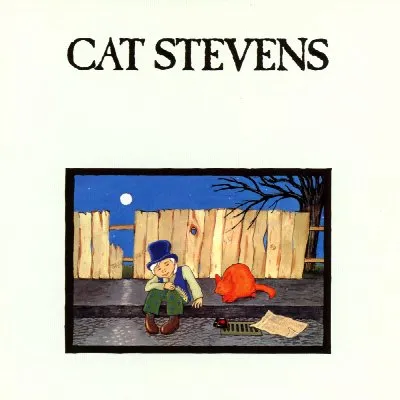
Teaser and the Firecat
1971
Continues the introspective themes with a rich sonic palette.

Mona Bone Jakon
1970
Sets the stage with similar folk influences and lyrical depth.
If this landed
Records by other artists that run on the same instinct.
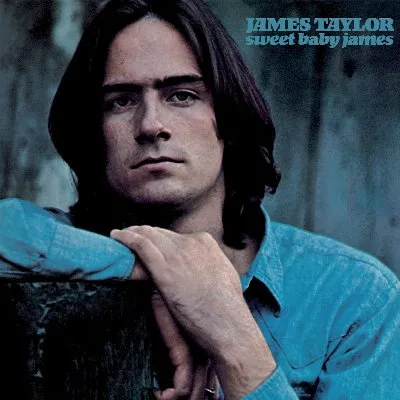
Sweet Baby James
James Taylor
Pairs intimate acoustic arrangements with reflective songs about love, family, and growing older.
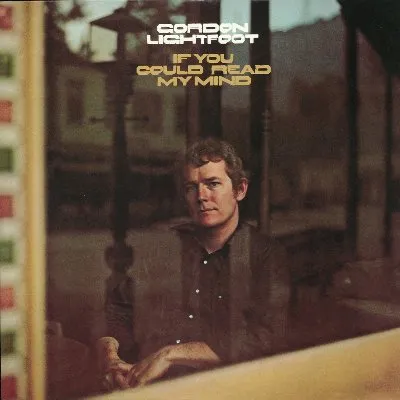
If You Could Read My Mind
Gordon Lightfoot
Shares gentle folk melodies and plainspoken, introspective writing about love and change.
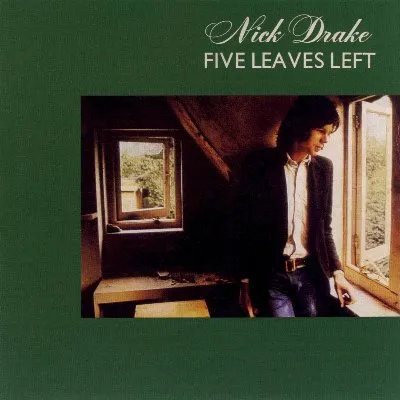
Five Leaves Left
Nick Drake
Uses delicate acoustic guitar and restrained arrangements to frame inward-looking, wistful lyrics.
Reference: Wikipedia · MusicBrainz · Wikidata
Sync your library
Everything you track here works immediately — no account needed. Create one when you want to sync across devices.