

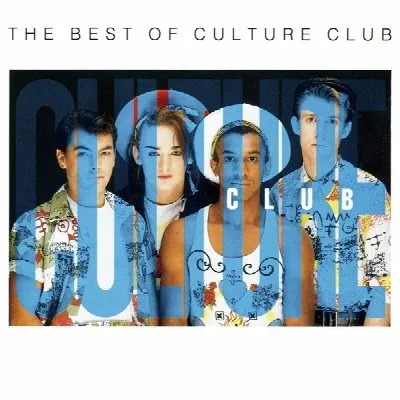
The Best of Culture Club
Culture Club · 1999
61 min · 16 tracks · pop music
Boy George’s supple voice threads through reggae rhythms and soul-inflected pop, with dance mixes and ballads widening the picture.
Top tracks — play these first
-
→
Do You Really Want to Hurt Me Start here — The reggae-influenced rhythm leaves room for Boy George’s restrained vocal, making the band’s breakthrough sound as much about vulnerability as pop polish.
-
→
Church of the Poison Mind — A brisk Motown-inspired beat and Helen Terry’s answering vocals give this single a gospel-soul urgency that contrasts with the compilation’s gentler songs.
-
→
Victims — Piano and a measured vocal performance slow the pace, revealing the band’s gift for balladry beyond its danceable hits.
-
→
Karma Chameleon — Its harmonica hook and buoyant rhythm carry a song about romantic uncertainty, pairing the band’s biggest chart success with a characteristically unsettled emotional core.
Elevation
Our rating, out of 100 — and why.
AI-generated from five scored dimensions. An opinion, not a measurement.
The compilation showcases Culture Club's signature sound but lacks depth beyond their hits.
What we noticed
- Several tracks include prominent synthesizer arrangements that define the band's sound, particularly in 'Karma Chameleon' and 'Do You Really Want to Hurt Me.'
- The sequencing places the most recognizable hits at the beginning and end, creating a sense of nostalgia while maintaining listener engagement.
- Composition 25% of the score
-
6/10
- Craft 20% of the score
-
6/10
- Durability 25% of the score
-
5/10
- Distinctiveness 18% of the score
-
5/10
- Sequencing 12% of the score
-
6/10
the writing — melody, harmony, structure, lyrics
production, performance, arrangement
whether it rewards returning to it
whether it sounds like itself
running order, pacing, length
Known within its scene. Reported but not counted — how far a record travelled describes its reception rather than the record, and a newer release has had less time to travel than an older one.
Is this for you?
Good fit if you like
- catchy anthems for group sing-alongs
- steady flow with emotional peaks
- nostalgic vibes for casual listening
- upbeat tracks for feel-good moments
Maybe skip if you
- prefer intense sonic experimentation
- seek deep narrative exploration
Where this album fits
- In the catalog
- Starting Point — A comprehensive collection of hits that introduces new listeners to Culture Club's sound.
- Themes
- 1980s pop culture· reggae-infused anthems· Boy George's vulnerability
- Career context
- This 1999 compilation looks back primarily at Culture Club’s early-1980s breakthrough, drawing from albums including Kissing to Be Clever, Colour by Numbers and Waking Up with the House on Fire. It arrived after the band’s late-1990s reunion, the same year as their studio album Don’t Mind If I Do.
- Stylistic neighbors
- Duran Duran· Spandau Ballet· Soft Cell
Moments worth listening for
Where the writing does something specific.
-
The War Song
The chorus repeats blunt judgments about war and the people who make it, reducing an immense political subject to a chant.
The deliberately simple phrasing makes the refrain function like a public slogan rather than a detailed argument.
Tracklist
- 1 Do You Really Want to Hurt Me Start here 4:24
- 2 White Boy (dance mix) 4:40
- 3 Church of the Poison Mind 3:32
- 4 Changing Every Day 3:19
- 5 The War Song 3:57
- 6 I'm Afraid of Me (remix) 3:18
- 7 It's a Miracle 3:25
- 8 The Dream (From Electric Dreams) 2:29
- 9 Time (Clock of the Heart) 3:43
- 10 The Dive 3:48
- 11 Victims 4:54
- 12 I'll Tumble 4 Ya 2:35
- 13 Miss Me Blind 4:31
- 14 Mistake No. 3 4:34
- 15 The Medal Song 4:15
- 16 Karma Chameleon 4:02
What to play next
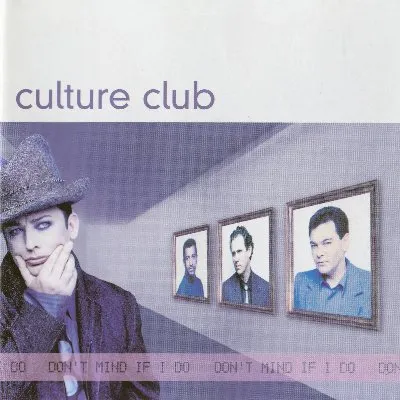
Don't Mind If I Do
1999
Continues the pop vibe with fresh sounds and themes, building on the nostalgia.
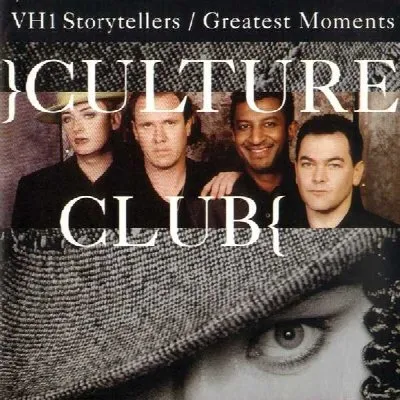
Greatest Moments – VH1 Storytellers Live
1998
If this landed
Records by other artists that run on the same instinct.
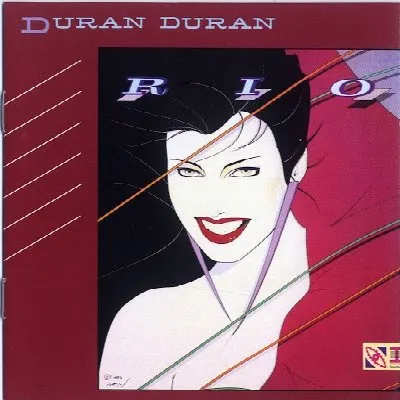
Rio
Duran Duran
Shares vibrant 80s pop production with catchy hooks and a blend of new wave and soul influences.
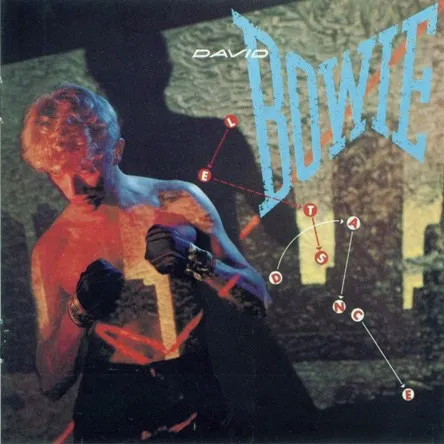
Let's Dance
David Bowie
Combines soulful melodies with danceable grooves, reflecting the vibrant spirit of 80s pop culture.
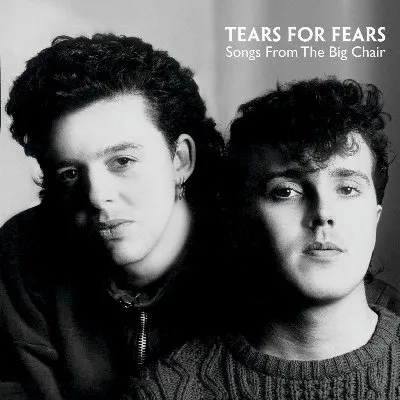
Songs from the Big Chair
Tears for Fears
Features emotive vocals and anthemic choruses, resonating with themes of vulnerability and introspection.
Reference: Wikipedia · MusicBrainz · Wikidata
Sync your library
Everything you track here works immediately — no account needed. Create one when you want to sync across devices.