


Top tracks — play these first
-
→
Got What It Takes Start here — This track exemplifies J-Live's mastery of storytelling and complex rhyme schemes, pushing back against industry norms while encouraging authenticity.
-
→
Vampire Hunter J — With its clever wordplay and vivid imagery, this song showcases J-Live's unique narrative style, intertwining personal experience with pop culture references.
-
→
True School Anthem — This track serves as a powerful homage to the roots of hip-hop, emphasizing the importance of tradition and community within the genre.
Elevation
Our rating, out of 100 — and why.
AI-generated from five scored dimensions. An opinion, not a measurement.
J-Live's debut showcases strong lyricism and jazzy production, marking a solid entry in underground hip-hop.
What we noticed
- The album features a consistent use of jazzy samples, with live instrumentation complementing the beats throughout.
- Lyrically, J-Live employs intricate rhyme schemes and storytelling techniques that vary from track to track.
- Several tracks incorporate call-and-response elements, engaging the listener directly and creating a dynamic atmosphere.
- The sequencing includes interludes that provide context and thematic continuity between songs.
- Composition 25% of the score
-
8/10
- Craft 20% of the score
-
7/10
- Durability 25% of the score
-
6/10
- Distinctiveness 18% of the score
-
8/10
- Sequencing 12% of the score
-
7/10
the writing — melody, harmony, structure, lyrics
production, performance, arrangement
whether it rewards returning to it
whether it sounds like itself
running order, pacing, length
Known within its scene. Reported but not counted — how far a record travelled describes its reception rather than the record, and a newer release has had less time to travel than an older one.
Is this for you?
Good fit if you like
- dynamic journey with varied pacing
- lyric-driven storytelling explorations
- engaging rhythms for active listening
- short tracks for quick engagement
- soulful beats for reflective moments
Maybe skip if you
- seeking instant gratification
- prefer standalone singles only
Where this album fits
- In the catalog
- Breakthrough — This debut album established J-Live's reputation in underground hip-hop.
- Themes
- early 2000s underground· hip-hop authenticity· pop culture narratives
- Career context
- Released in 2001, The Best Part is J-Live's debut album following his critically acclaimed EP, The Hear After. At this point, J-Live was establishing himself as a significant voice in hip-hop, blending storytelling and lyrical prowess with intricate production.
- Stylistic neighbors
- Aesop Rock· Blackalicious· Talib Kweli
Tracklist
- 1 Outside Looking 1:48
- 2 Intro 1:13
- 3 Got What It Takes Start here 5:09
- 4 Don't Play 5:04
- 5 Vampire Hunter J 2:59
- 6 YES! 3:32
- 7 Them That's Not 5:12
- 8 Kick It to the Beat 4:22
- 9 Wax Paper 3:27
- 10 Timeless 4:00
- 11 Get the Third 4:45
- 12 School's In (remix) 5:14
- 13 R.A.G.E. 3:36
- 14 True School Anthem 4:23
- 15 Inside Looking Outro 2:07
- 16 The Best Part 3:36
- 17 Play 5:01
- 18 Braggin' Writes Revisited 3:17
- 19 Epilogue 5:30


If this landed
Records by other artists that run on the same instinct.

The Low End Theory
A Tribe Called Quest
Shares jazzy beats and clever lyricism, defining the vibrant underground hip-hop sound of the early '90s.

Like Water for Chocolate
Common
Combines storytelling with soulful production, echoing the authentic narratives found in J-Live's work.
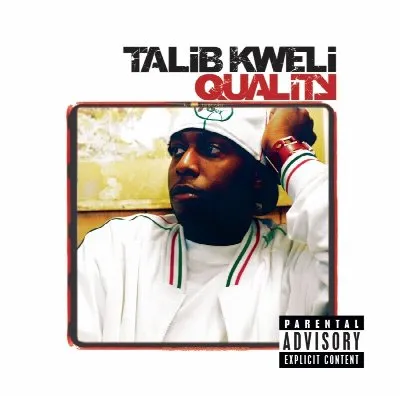
Quality
Talib Kweli
Emphasizes lyrical depth and jazzy backgrounds, resonating with themes of authenticity and culture.
Reference: Wikipedia · MusicBrainz · Wikidata
Sync your library
Everything you track here works immediately — no account needed. Create one when you want to sync across devices.