

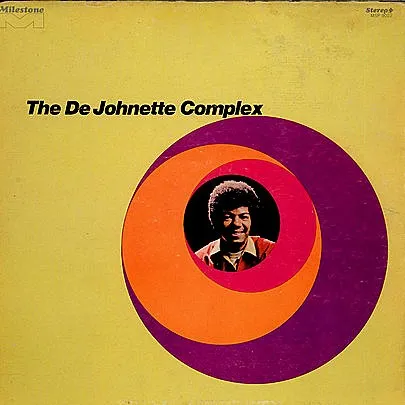
The DeJohnette Complex
Jack DeJohnette · 1969
39 min · 8 tracks · jazz
Restless jazz rhythms frame the reedy sound of melodica as the ensemble moves between compact themes and open improvisation.
Top tracks — play these first
-
→
Equipoise Start here — The opening piece introduces the album's balance of a composed theme and improvisational freedom in a concise four-minute performance.
-
→
Miles' Mode — The John Coltrane composition connects DeJohnette's debut to the exploratory jazz language of the 1960s, giving the ensemble room to work with an established theme.
-
→
Papa-Daddy and Me — The album's longest track gives the musicians more space to develop their interplay than the brief requiem pieces surrounding it.
-
→
Requiem Number 2 — At under two minutes, the closing requiem returns to a form heard earlier on the record and gives the album a compact ending.
Is this for you?
Good fit if you like
- wave-like pacing that unfolds
- thoughtful moments of reflection
- brief interludes of quiet intimacy
- explorative journeys through sound
Maybe skip if you
- prefer straightforward song structures
- want constant high-energy tracks
Where this album fits
- In the catalog
- Breakthrough — This album helped establish DeJohnette's reputation in the jazz scene.
- Themes
- late 1960s experimentation· intimate jazz conversations· complex rhythmic landscapes
- Career context
- Released in 1969, The DeJohnette Complex was Jack DeJohnette's debut album as a leader. It arrived after his work with Charles Lloyd's quartet and around the time he joined Miles Davis's band, placing his own compositions alongside the work that was making him a sought-after drummer.
- Stylistic neighbors
- Paul Motian· Tony Williams· Andrew Cyrille
Tracklist
- 1 Equipoise Start here 4:01
- 2 The Major General 6:37
- 3 Miles' Mode 6:38
- 4 Requiem Number 1 2:25
- 5 Mirror Image 5:13
- 6 Papa-Daddy and Me 7:55
- 7 Brown, Warm and Wintry 5:06
- 8 Requiem Number 2 1:40
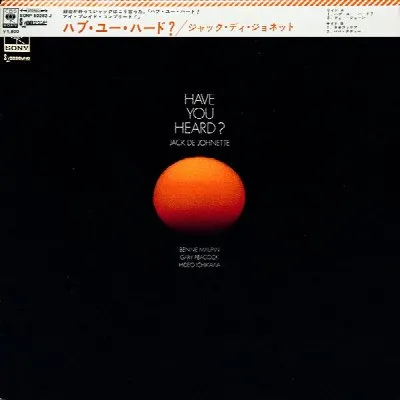
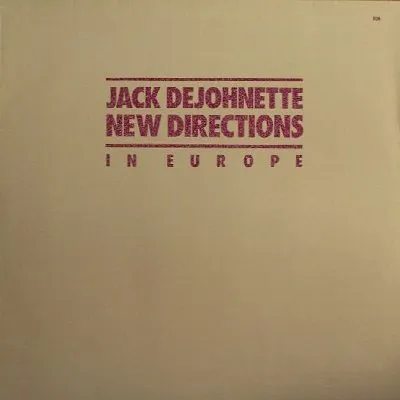
If this landed
Records by other artists that run on the same instinct.
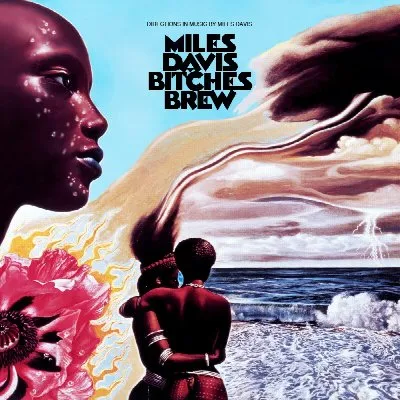
Reference: Wikipedia · MusicBrainz · Wikidata
Sync your library
Everything you track here works immediately — no account needed. Create one when you want to sync across devices.