

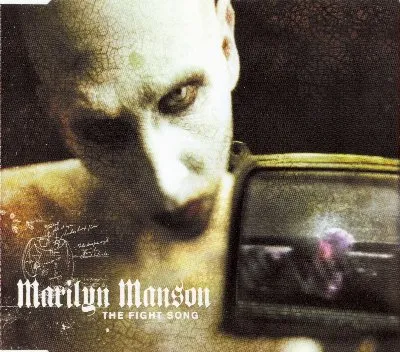
The Fight Song
Marilyn Manson · 2001
17 min · 3 tracks · industrial metal
A chaotic blend of industrial metal and provocative lyrics that challenge societal norms with abrasive energy.
Top tracks — play these first
-
→
The Fight Song (album version) — As the lead track, it encapsulates Manson's themes of rebellion and identity crisis, featuring a relentless rhythm that mirrors the urgent tone of the lyrics.
-
→
Disposable Teens (remix) — This remix reimagines one of Manson's most popular songs, amplifying its critique of consumer culture and youth disenfranchisement through layered sounds and driving beats.
-
→
The Love Song (remix) — This track subverts conventional notions of romance, using dark humor and irony that reflect Manson's signature style while providing a fresh take on a previously released song.
Elevation
Our rating, out of 100 — and why.
AI-generated from five scored dimensions. An opinion, not a measurement.
The single showcases Manson's signature style but lacks depth in its remix approach.
What we noticed
- The title track features a driving rhythm with aggressive guitar riffs and layered electronic elements that create a dense soundscape.
- The two remixes included offer reinterpretations of existing tracks, altering their original arrangements and tempos while maintaining the core themes.
- Composition 25% of the score
-
6/10
- Craft 20% of the score
-
7/10
- Durability 25% of the score
-
5/10
- Distinctiveness 18% of the score
-
6/10
- Sequencing 12% of the score
-
4/10
the writing — melody, harmony, structure, lyrics
production, performance, arrangement
whether it rewards returning to it
whether it sounds like itself
running order, pacing, length
Significant within its genre. Reported but not counted — how far a record travelled describes its reception rather than the record, and a newer release has had less time to travel than an older one.
Where this album fits
- In the catalog
- Breakthrough — Cemented Manson's reputation as a controversial figure in rock, gaining wider recognition.
- Themes
- youth disenfranchisement· media scrutiny backlash· rebellion against conformity
- Career context
- When 'The Fight Song' was released on February 2, 2001, Marilyn Manson was riding the wave of commercial success following their album 'Mechanical Animals', which had reached number one on the Billboard 200. This release marked a transitional phase as the band shifted towards a more aggressive sound in response to both media scrutiny and a changing public perception.
- Stylistic neighbors
- Nine Inch Nails· Rob Zombie· Ministry
Moments worth listening for
Where the writing does something specific.
-
The Fight Song (album version)
The verses confront societal expectations directly with an aggressive tone, challenging listeners to reject conformity.
This direct challenge to societal norms establishes a confrontational narrative that runs throughout the album, embodying Manson's role as a provocateur in popular music.
Tracklist
Best experienced from track one — press play and let it unfold.
- 1 The Fight Song (album version) 2:59
- 2 Disposable Teens (remix) 11:03
- 3 The Love Song (remix) 3:38

If this landed
Records by other artists that run on the same instinct.
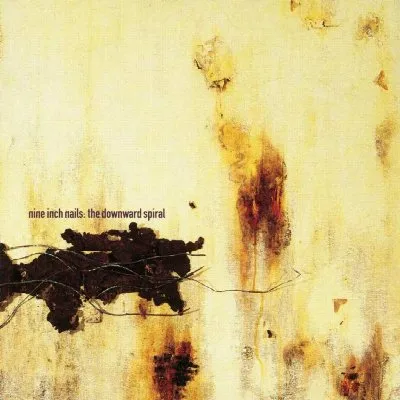
The Downward Spiral
Nine Inch Nails
Explores themes of self-destruction and societal decay with a similarly abrasive industrial sound.

Hellbilly Deluxe
Rob Zombie
Shares a provocative aesthetic and confrontational lyrics, blending metal with horror motifs.
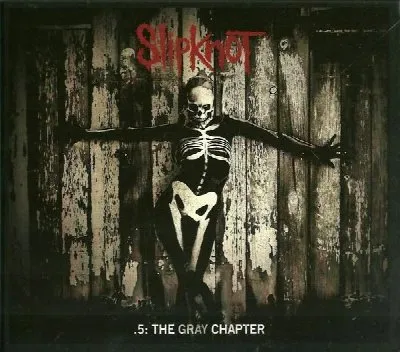
.5: The Gray Chapter
Slipknot
Captures raw aggression and disillusionment, using chaotic soundscapes to challenge conformity.
Reference: Wikipedia · MusicBrainz · Wikidata
Sync your library
Everything you track here works immediately — no account needed. Create one when you want to sync across devices.