

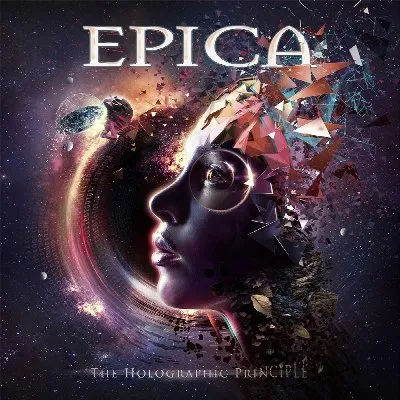
Released 10 years ago
The Holographic Principle
Epica · 2016
166 min · 30 tracks · symphonic metal
Symphonic metal grandeur interweaves with intricate melodies and philosophical themes, crafting an immersive auditory experience.
Top tracks — play these first
-
→
Eidola Start here — establishes the sonic palette early
-
→
Universal Death Squad — This track showcases Epica's signature blend of heavy instrumentation and operatic vocals, articulating a powerful critique of modern society's technological dependence.
-
→
Beyond the Matrix — With its intricate orchestration and soaring choruses, this song exemplifies the album's thematic exploration of reality and illusion, making it a standout track.
-
→
The Holographic Principle – A Profound Understanding of Reality — As the title track, it encapsulates the album's overarching concept about perception versus reality through its sweeping melodies and thought-provoking lyrics.
Elevation
Our rating, out of 100 — and why.
AI-generated from five scored dimensions. An opinion, not a measurement.
The album showcases strong composition and production but lacks some cohesion due to its length and bonus tracks.
What we noticed
- Several tracks incorporate choral elements that enhance the symphonic quality, particularly in climactic moments.
- The album's title track serves as a thematic conclusion, summarizing the philosophical concepts explored throughout the preceding songs.
- Composition 25% of the score
-
7/10
- Craft 20% of the score
-
8/10
- Durability 25% of the score
-
6/10
- Distinctiveness 18% of the score
-
7/10
- Sequencing 12% of the score
-
5/10
the writing — melody, harmony, structure, lyrics
production, performance, arrangement
whether it rewards returning to it
whether it sounds like itself
running order, pacing, length
Known within its scene. Reported but not counted — how far a record travelled describes its reception rather than the record, and a newer release has had less time to travel than an older one.
Is this for you?
Good fit if you like
- long, immersive listening sessions
- dynamic emotional journeys
- atmospheric background focus
- gradual builds and payoffs
Where this album fits
- In the catalog
- Critical Peak — Ambitious composition and conceptual depth mark it as a high point in their catalog.
- Themes
- technological control· philosophical reality
- Career context
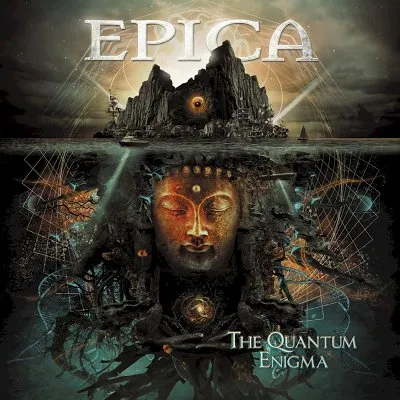
- Released on September 30, 2016, The Holographic Principle is Epica's seventh studio album, following their critically acclaimed record The Quantum Enigma. At this point in their career, the band had solidified their status within the symphonic metal genre and continued to explore complex lyrical themes while refining their musicality.
- Stylistic neighbors
- Nightwish· Within Temptation· Kamelot
Tracklist
Disc 1
- 1 Eidola Start here 2:39
- 2 Edge of the Blade 4:34
- 3 A Phantasmic Parade 4:36
- 4 Universal Death Squad 6:38
- 5 Divide and Conquer 7:48
- 6 Beyond the Matrix 6:26
- 7 Once Upon a Nightmare 7:08
- 8 The Cosmic Algorithm 4:54
- 9 Ascension – Dream State Armageddon 5:16
- 10 Dancing in a Hurricane 5:26
- 11 Tear Down Your Walls 5:03
- 12 The Holographic Principle – A Profound Understanding of Reality 11:35
- 13 Immortal Melancholy (piano version) 3:15
Disc 2
- 1 Beyond the Good, the Bad and the Ugly 4:30
- 2 Dancing in a Gypsy Camp 4:28
- 3 Immortal Melancholy (acoustic version) 3:13
- 4 The Funky Algorithm 3:30
- 5 Universal Love Squad 3:45
Disc 3
- 1 Eidola Start here 2:39
- 2 Edge of the Blade 4:34
- 3 A Phantasmic Parade 4:36
- 4 Universal Death Squad 6:38
- 5 Divide and Conquer 7:48
- 6 Beyond the Matrix 6:26
- 7 Once Upon a Nightmare 7:08
- 8 The Cosmic Algorithm 4:54
- 9 Ascension – Dream State Armageddon 5:15
- 10 Dancing in a Hurricane 5:26
- 11 Tear Down Your Walls 5:03
- 12 The Holographic Principle – A Profound Understanding of Reality 11:35
If this landed
Records by other artists that run on the same instinct.

Human. :II: Nature.
Nightwish
Shares epic orchestration and existential themes, blending symphonic elements with heavy instrumentation.
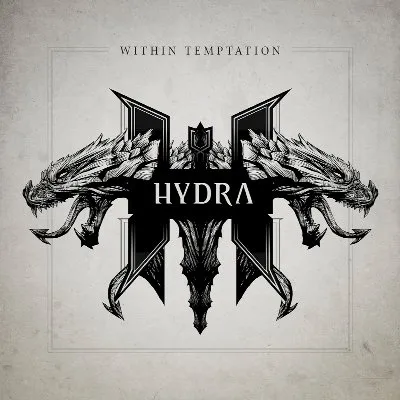
Hydra
Within Temptation
Combines grand soundscapes with powerful riffs, exploring similar philosophical and emotional depths.
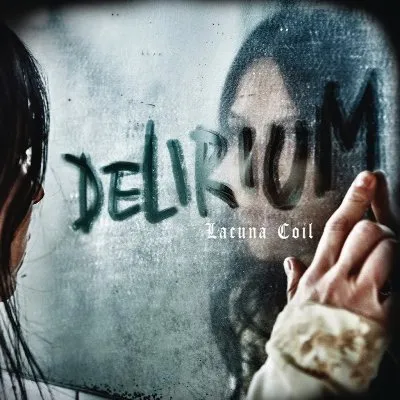
Delirium
Lacuna Coil
Merges heavy guitar work with orchestral layers, delving into themes of reality and existential struggle.
Reference: Wikipedia · MusicBrainz · Wikidata
Sync your library
Everything you track here works immediately — no account needed. Create one when you want to sync across devices.