

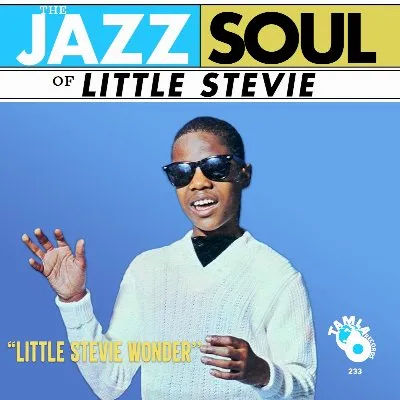
The Jazz Soul of Little Stevie
Stevie Wonder · 1962
29 min · 9 tracks · blues
A young harmonica player darts through jazz-inflected Motown instrumentals with the energy of a crowded studio jam.
Top tracks — play these first
-
→
Fingertips Start here — Wonder’s harmonica leads the studio original of the tune that would become his breakthrough in a more expansive live performance.
-
→
Soul Bongo — Percussion takes a prominent role in a compact instrumental that shows the album’s interest in rhythmic interplay.
-
→
Some Other Time — At over five minutes, it gives the players more room to stretch out than most of the album’s short, tightly arranged performances.
-
→
Wondering — The instrumental puts Wonder’s melodic playing in focus, offering a contrast to the more percussion-driven cuts.
Elevation
Our rating, out of 100 — and why.
AI-generated from five scored dimensions. An opinion, not a measurement.
The album blends jazz and soul effectively, showcasing Wonder's early talent while maintaining a cohesive sound.
What we noticed
- The album opens with 'Fingertips', a lively track that features call-and-response vocals and showcases Wonder's harmonica skills.
- Several tracks, such as 'Soul Bongo' and 'Manhattan at Six', incorporate intricate jazz rhythms and improvisational elements.
- The final track, 'Bam', closes the album with a more subdued tempo, contrasting with the energetic opener.
- Composition 25% of the score
-
7/10
- Craft 20% of the score
-
6/10
- Durability 25% of the score
-
5/10
- Distinctiveness 18% of the score
-
7/10
- Sequencing 12% of the score
-
6/10
the writing — melody, harmony, structure, lyrics
production, performance, arrangement
whether it rewards returning to it
whether it sounds like itself
running order, pacing, length
Significant within its genre. Reported but not counted — how far a record travelled describes its reception rather than the record, and a newer release has had less time to travel than an older one.
Is this for you?
Good fit if you like
- vibrant energy for lively gatherings
- short tracks for quick enjoyment
- playful rhythms that invite movement
- head-nodding grooves with spontaneity
Maybe skip if you
- long, drawn-out listening experiences
- slow, contemplative background music
Where this album fits
- In the catalog
- Breakthrough — This debut album helped establish Stevie Wonder's reputation as a serious artist.
- Themes
- child prodigy talent· live performance energy· jazz-infused soul
- Career context
- Released in 1962, this was Stevie Wonder’s debut album, recorded when he was still billed as Little Stevie Wonder. It arrived before the live version of “Fingertips” made him a major pop star in 1963.
- Stylistic neighbors
- Marvin Gaye· Prince· Curtis Mayfield
Tracklist
- 1 Fingertips Start here 3:00
- 2 The Square 3:03
- 3 Soul Bongo 2:20
- 4 Manhattan at Six 3:47
- 5 Paulsby 2:47
- 6 Some Other Time 5:11
- 7 Wondering 2:51
- 8 Session Number 112 3:18
- 9 Bam 3:34
What to play next
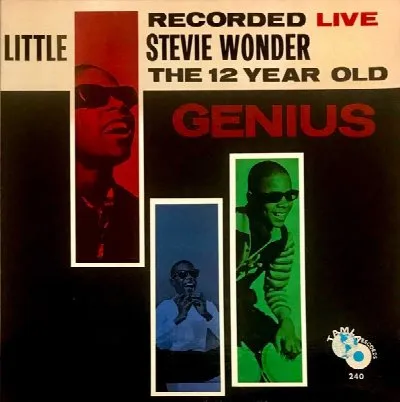
Recorded Live: The 12 Year Old Genius
1963
Continues the vibrant energy and showcases live performance skills.
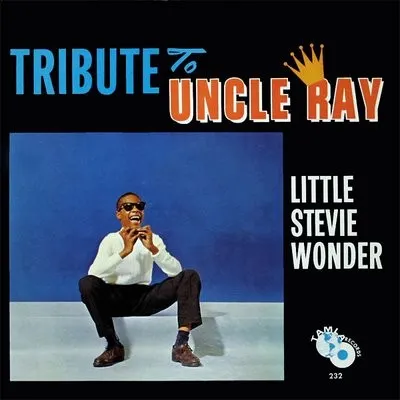
Tribute to Uncle Ray
1962
Sets the stage with similar jazz and soul influences.
If this landed
Records by other artists that run on the same instinct.
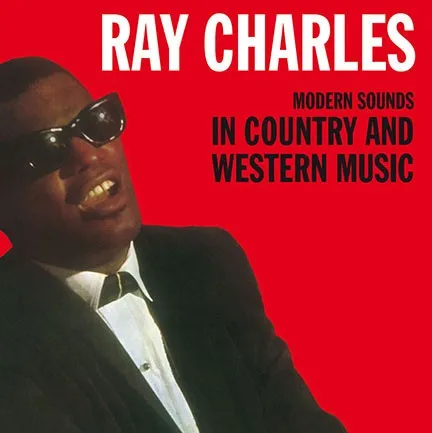
Modern Sounds in Country and Western Music
Ray Charles
Merges jazz, blues, and soul with a vibrant energy and emotional depth reflective of youthful exploration.

Takin' Off
Herbie Hancock
Features a lively blend of jazz and soul, showcasing youthful exuberance and musical versatility.
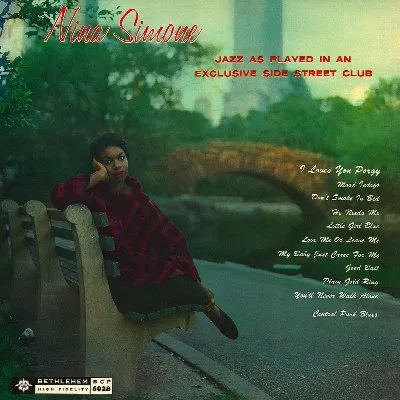
Little Girl Blue
Nina Simone
Combines jazz-infused soul with rich emotional narratives, echoing themes of talent and live performance energy.
Reference: Wikipedia · MusicBrainz · Wikidata
Sync your library
Everything you track here works immediately — no account needed. Create one when you want to sync across devices.