


The Knife
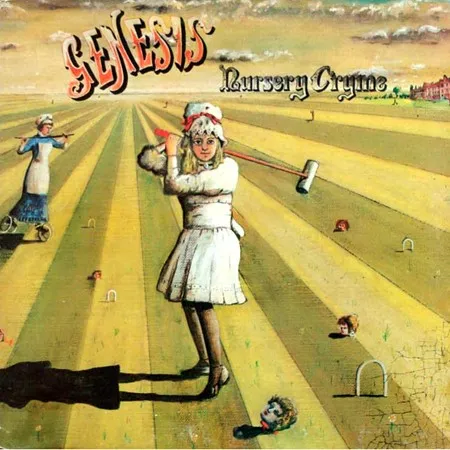
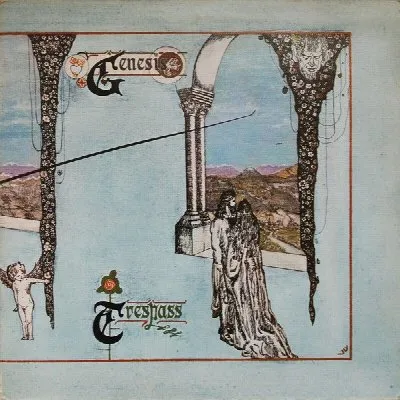
Genesis · 1971
7 min · 2 tracks · progressive rock
A dynamic blend of theatrical lyrics and intricate instrumentation that foreshadows the band's progressive rock evolution.
Top tracks — play these first
-
→
The Knife — As the title track, it encapsulates the band's early experimentation with structure and lyrical content, combining urgency with a narrative about conflict and rebellion.
-
→
The Knife (part 2) — This follow-up expands on the themes introduced in part one, showcasing an ambitious arrangement that highlights the band’s progressive tendencies and instrumental prowess.
Elevation
Our rating, out of 100 — and why.
AI-generated from five scored dimensions. An opinion, not a measurement.
The single showcases Genesis's early complexity but lacks the cohesion of their later works.
What we noticed
- The vocal delivery is aggressive and theatrical, emphasizing the political themes in the lyrics.
- Composition 25% of the score
-
7/10
- Craft 20% of the score
-
6/10
- Durability 25% of the score
-
5/10
- Distinctiveness 18% of the score
-
6/10
- Sequencing 12% of the score
-
4/10
the writing — melody, harmony, structure, lyrics
production, performance, arrangement
whether it rewards returning to it
whether it sounds like itself
running order, pacing, length
Known within its scene. Reported but not counted — how far a record travelled describes its reception rather than the record, and a newer release has had less time to travel than an older one.
Where this album fits
- In the catalog
- Breakthrough — Defined Genesis's sound and led to critical acclaim in progressive rock.
- Themes
- theatrical conflict· rebellion narrative· progressive rock evolution
- Career context
- By the time 'The Knife' was released in May 1971, Genesis was still establishing their identity, following their debut album 'From Genesis to Revelation' in 1969. This single showcases the band's shift toward more complex compositions and darker themes, setting the stage for their subsequent rise in the progressive rock realm.
- Stylistic neighbors
- Yes· Emerson, Lake & Palmer· King Crimson
Moments worth listening for
Where the writing does something specific.
-
The Knife
A shift in perspective occurs when the narrator directly addresses an oppressive force, creating a sense of confrontation and urgency.
This direct address serves to engage listeners more intimately with the song's themes of rebellion, marking a pivotal moment where personal stakes are intertwined with broader social commentary.
Tracklist
Best experienced from track one — press play and let it unfold.
- 1 The Knife 3:17
- 2 The Knife (part 2) 3:57
If this landed
Records by other artists that run on the same instinct.
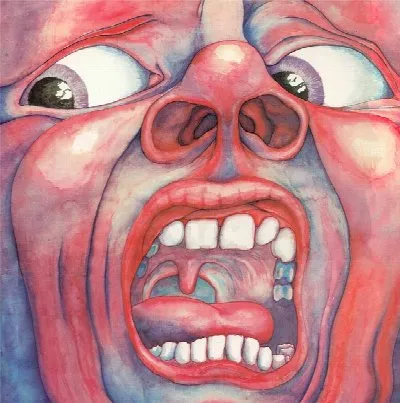
In the Court of the Crimson King
King Crimson
Shares a theatrical and complex approach to progressive rock with dark lyrical themes.
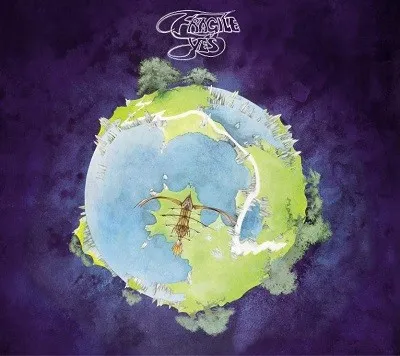
Fragile
Yes
Features intricate instrumentation and ambitious compositions, blending theatricality with progressive elements.

Emerson, Lake & Palmer
Emerson, Lake & Palmer
Combines classical influences with dynamic arrangements and a narrative style reflective of rebellion.
Reference: Wikipedia · MusicBrainz · Wikidata
Sync your library
Everything you track here works immediately — no account needed. Create one when you want to sync across devices.