


Top tracks — play these first
-
→
The Last Ship Start here — The title track encapsulates the album's central themes of loss and nostalgia through its haunting melody and evocative lyrics about leaving home.
-
→
Dead Man’s Boots — This track stands out with its rhythmic urgency and vivid imagery, offering a glimpse into the life of sailors while exploring themes of legacy.
-
→
Ballad of the Great Eastern — With its sweeping orchestration and emotional depth, this song tells the story of an iconic ship, marrying history with personal reflection in a compelling narrative.
Elevation
Our rating, out of 100 — and why.
AI-generated from five scored dimensions. An opinion, not a measurement.
The Last Ship blends narrative and instrumentation effectively, showcasing Sting's transition into musical storytelling.
What we noticed
- The album features a strong narrative structure, with tracks that flow into one another to tell a cohesive story about shipbuilding and personal loss.
- Composition 25% of the score
-
7/10
- Craft 20% of the score
-
8/10
- Durability 25% of the score
-
6/10
- Distinctiveness 18% of the score
-
7/10
- Sequencing 12% of the score
-
8/10
the writing — melody, harmony, structure, lyrics
production, performance, arrangement
whether it rewards returning to it
whether it sounds like itself
running order, pacing, length
Known within its scene. Reported but not counted — how far a record travelled describes its reception rather than the record, and a newer release has had less time to travel than an older one.
Is this for you?
Good fit if you like
- steady pacing for thoughtful listening
- poignant storytelling through song
- narrative flow that rewards attention
- reflective moments of quiet introspection
Maybe skip if you
- seeking high-energy party tracks
- prefer standalone singles over narratives
Where this album fits
- In the catalog
- Late Career Highlight — Revitalized interest in Sting's work after a long hiatus, showcasing continued creativity.
- Themes
- shipbuilding decline· nostalgic community· historical ambition· pragmatic love
- Moods
- Introspective· Melancholy
- Career context
- Upon releasing The Last Ship in 2013, Sting was transitioning from his acclaimed solo career to a new phase focused on musical theater. This album marked his first major foray into the realm of musical storytelling, inspired by a stage production of the same name he was developing at the time, showcasing a shift in both style and narrative approach.
- Stylistic neighbors
- Peter Gabriel· David Bowie· Paul Simon
Tracklist
- 1 The Last Ship Start here 3:50
- 2 Dead Man’s Boots 3:29
- 3 And Yet 3:52
- 4 August Winds 3:17
- 5 Language of Birds 3:30
- 6 Practical Arrangement 3:19
- 7 The Night the Pugilist Learned How to Dance 4:13
- 8 Ballad of the Great Eastern 5:14
- 9 What Have We Got? 3:34
- 10 I Love Her but She Loves Someone Else 3:41
- 11 So to Speak 4:06
- 12 The Last Ship (reprise) 3:19

If this landed
Records by other artists that run on the same instinct.
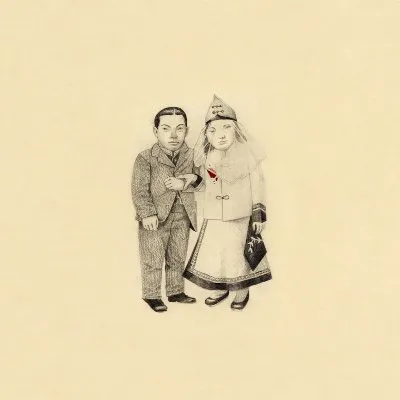
The Crane Wife
The Decemberists
Explores narrative-driven storytelling with a focus on historical themes and emotional resonance.

Carrie & Lowell
Sufjan Stevens
Shares a delicate, introspective approach with personal and nostalgic themes intertwined throughout.

Push the Sky Away
Nick Cave and the Bad Seeds
Delivers atmospheric storytelling with a somber tone, reflecting on memory and community struggles.
Reference: Wikipedia · MusicBrainz · Wikidata
Sync your library
Everything you track here works immediately — no account needed. Create one when you want to sync across devices.