

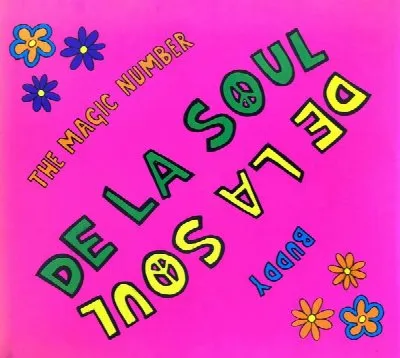
The Magic Number
De La Soul · 1990
19 min · 4 tracks · hip-hop
A playful blend of jazz samples, eclectic rhythms, and clever wordplay that redefined the sound of hip-hop in the early '90s.
Top tracks — play these first
-
→
The Magic Number — The title track encapsulates the album's playful ethos, featuring a catchy hook and an inventive use of samples that became a hallmark of De La Soul's style.
-
→
Buddy — This collaboration with other artists showcases De La Soul's communal spirit and highlights their ability to blend various voices while maintaining their distinctive sound.
-
→
Ghetto Thang (Ghetto Ximer mix) — This track exemplifies the group's knack for merging social commentary with upbeat production, presenting a layered narrative against an infectious groove.
Elevation
Our rating, out of 100 — and why.
AI-generated from five scored dimensions. An opinion, not a measurement.
The single showcases innovative sampling and lyrical playfulness, marking a distinct shift in hip-hop's direction.
What we noticed
- The title track features a prominent jazz sample that underpins the playful rhythm, creating a laid-back groove.
- Lyrically, the verses are characterized by clever wordplay and a conversational style, with multiple voices contributing to the narrative.
- The second track, 'Buddy,' introduces a more upbeat tempo and features guest appearances, expanding the sonic palette of the single.
- The remixes included at the end offer alternative takes on the main themes but do not significantly alter the original tracks' essence.
- Composition 25% of the score
-
8/10
- Craft 20% of the score
-
7/10
- Durability 25% of the score
-
6/10
- Distinctiveness 18% of the score
-
8/10
- Sequencing 12% of the score
-
5/10
the writing — melody, harmony, structure, lyrics
production, performance, arrangement
whether it rewards returning to it
whether it sounds like itself
running order, pacing, length
Significant within its genre. Reported but not counted — how far a record travelled describes its reception rather than the record, and a newer release has had less time to travel than an older one.
Where this album fits
- In the catalog
- Breakthrough — This debut album established De La Soul's reputation in alternative hip-hop.
- Themes
- playful jazz samples· communal spirit· social commentary grooves
- Career context
- Released in 1990, The Magic Number was De La Soul's debut studio album, establishing them as pioneers of alternative hip-hop. At this point in their career, they were fresh faces on the scene, following their breakout hit 'Me, Myself and I' with a project that solidified their unique sound and approach to lyricism.
- Stylistic neighbors
- A Tribe Called Quest· The Roots· J Dilla
Tracklist
Best experienced from track one — press play and let it unfold.
- 1 The Magic Number 3:16
- 2 Buddy 7:17
- 3 The Magic Number (1-2-3 mix) 5:29
- 4 Ghetto Thang (Ghetto Ximer mix) 3:55
If this landed
Records by other artists that run on the same instinct.
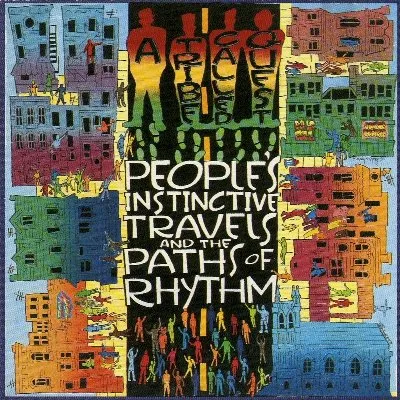
People's Instinctive Travels and the Paths of Rhythm
A Tribe Called Quest
Shares playful jazz samples and clever lyricism, embodying a similar communal spirit.
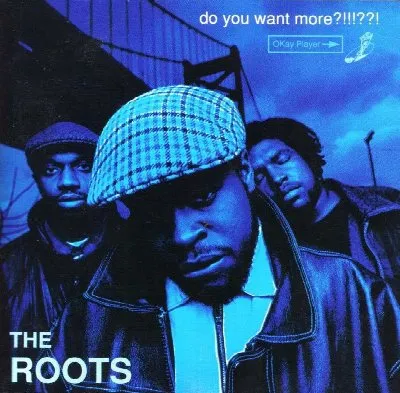
Do You Want More?!!!??!
The Roots
Combines live instrumentation with eclectic rhythms, creating a vibrant, jazzy hip-hop sound.
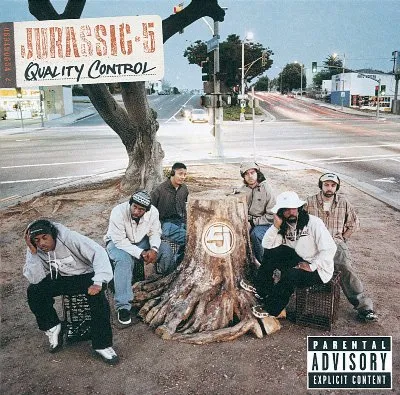
Quality Control
Jurassic 5
Features sharp wordplay and a funky, jazzy backdrop, resonating with De La Soul's playful approach.
Reference: Wikipedia · MusicBrainz · Wikidata
Sync your library
Everything you track here works immediately — no account needed. Create one when you want to sync across devices.