

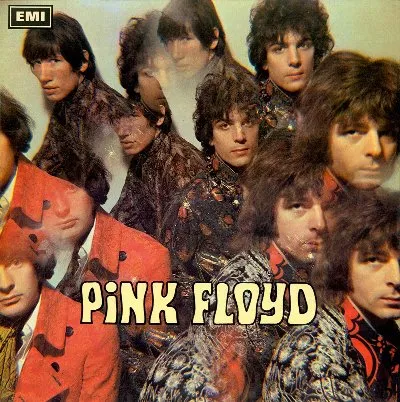
The Piper at the Gates of Dawn
Pink Floyd · 1967
41 min · 11 tracks · progressive rock
Syd Barrett’s nursery-rhyme imagination drifts into deep space on waves of distorted guitar and eerie organ.
Top tracks — play these first
-
→
Astronomy Domine Start here — The opening track sends planetary names through a disorienting arrangement of organ and guitar, establishing the album’s fascination with space as both subject and sound.
-
→
Matilda Mother — A child’s appetite for stories meets a winding organ-led arrangement, bringing Barrett’s fairy-tale sensibility into the band’s psychedelic setting.
-
→
Interstellar Overdrive — A descending guitar figure gives way to a long instrumental excursion, documenting the improvisational reach Pink Floyd had developed in London’s underground clubs.
-
→
Bike — Barrett’s parade of eccentric gifts closes the album with playful domestic surrealism before a collage of mechanical noises takes over.
Elevation
Our rating, out of 100 — and why.
AI-generated from five scored dimensions. An opinion, not a measurement.
The album's innovative sound and structure set it apart in the psychedelic rock genre.
What we noticed
- The album opens with a strong instrumental track that sets a cosmic tone, followed by songs that blend surreal lyrics with experimental soundscapes.
- Several tracks feature unconventional song structures, such as abrupt tempo changes and extended instrumental sections, particularly in 'Interstellar Overdrive'.
- The use of varied instrumentation, including unusual effects and sound manipulation, creates a distinct atmosphere throughout the record.
- Composition 25% of the score
-
8/10
- Craft 20% of the score
-
7/10
- Durability 25% of the score
-
6/10
- Distinctiveness 18% of the score
-
9/10
- Sequencing 12% of the score
-
7/10
the writing — melody, harmony, structure, lyrics
production, performance, arrangement
whether it rewards returning to it
whether it sounds like itself
running order, pacing, length
Defined its genre or moment. Reported but not counted — how far a record travelled describes its reception rather than the record, and a newer release has had less time to travel than an older one.
Is this for you?
Good fit if you like
- kaleidoscopic journeys through sound
- whimsical narratives for daydreaming
- dynamic exploration of surrealism
- wave-like pacing with peaks
Maybe skip if you
- seeking straightforward, catchy tunes
- prefer consistent energy throughout
Where this album fits
- In the catalog
- Breakthrough — Established Pink Floyd's reputation in the psychedelic rock scene.
- Themes
- London underground scene· cosmic imagery· whimsical narratives
- Career context
- Released in August 1967, this was Pink Floyd’s debut album, made while Syd Barrett was the band’s principal songwriter and frontman. It followed their early singles “Arnold Layne” and “See Emily Play” and was the only Pink Floyd studio album completed with Barrett leading the group.
- Stylistic neighbors
- King Crimson· Yes· Genesis
Tracklist
- 1 Astronomy Domine Start here 4:12
- 2 Lucifer Sam 3:08
- 3 Matilda Mother 3:09
- 4 Flaming 2:46
- 5 Pow R. Toc H. 4:27
- 6 Take Up Thy Stethoscope and Walk 3:06
- 7 Interstellar Overdrive 9:41
- 8 The Gnome 2:14
- 9 Chapter 24 3:42
- 10 Scarecrow 2:11
- 11 Bike 3:22
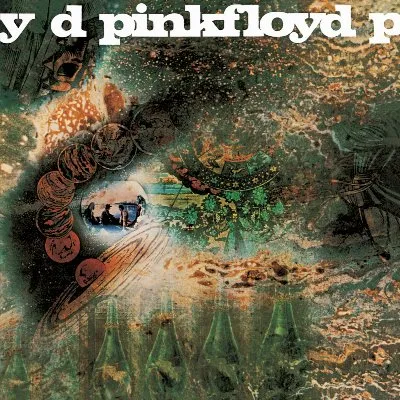

If this landed
Records by other artists that run on the same instinct.

Sgt. Pepper's Lonely Hearts Club Band
The Beatles
Shares whimsical narratives and psychedelic experimentation with lush production and cosmic themes.
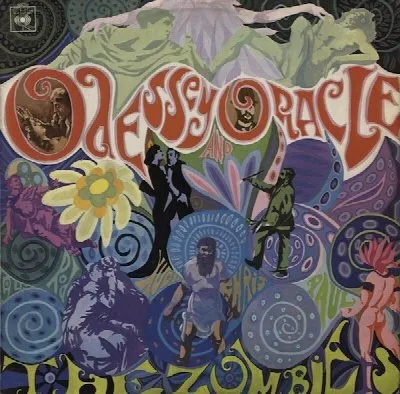
Odessey and Oracle
The Zombies
Combines surreal soundscapes and intricate harmonies, echoing the same dreamy, psychedelic exploration.

Phaedra
Tangerine Dream
Explores cosmic imagery through ambient soundscapes, reflecting a similar sense of sonic adventure.
Reference: Wikipedia · MusicBrainz · Wikidata
Sync your library
Everything you track here works immediately — no account needed. Create one when you want to sync across devices.