

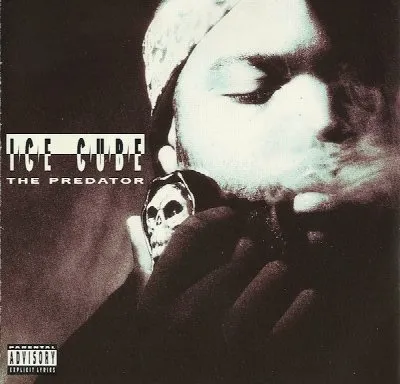
Released 34 years ago this November
The Predator
Ice Cube · 1992
55 min · 16 tracks · gangsta rap
Funk loops roll beneath tense street reportage, while radio-style interludes frame the album’s mix of menace and fleeting relief.
Top tracks — play these first
-
→
When Will They Shoot? Start here — A confrontational opening statement sets Ice Cube’s guarded delivery against a hard-edged beat, establishing the album’s atmosphere of suspicion and threat.
-
→
Wicked — A jagged, forceful single that channels the volatility surrounding Los Angeles in 1992 into a tightly wound performance.
-
→
It Was a Good Day — An Isley Brothers sample gives the track its unhurried warmth as a series of ordinary pleasures offers a brief escape from the album’s prevailing tension.
-
→
Check Yo Self — Featuring Das EFX, the track pairs a pointed warning with a buoyant groove and a guest appearance that brings East Coast voices into the album’s West Coast setting.
-
→
Who Got the Camera? — A police encounter becomes a scene of surveillance and confrontation, connecting the album’s street-level storytelling to public scrutiny of police violence.
Elevation
Our rating, out of 100 — and why.
AI-generated from five scored dimensions. An opinion, not a measurement.
The album combines sharp storytelling with hard-hitting beats, reflecting urban complexities while maintaining strong cohesion.
What we noticed
- Several tracks employ layered vocal delivery, with Ice Cube alternating between aggressive verses and more reflective moments.
- The production includes heavy bass lines and samples from funk and soul music, contributing to the gritty sound characteristic of early '90s gangsta rap.
- Composition 25% of the score
-
7/10
- Craft 20% of the score
-
8/10
- Durability 25% of the score
-
6/10
- Distinctiveness 18% of the score
-
8/10
- Sequencing 12% of the score
-
7/10
the writing — melody, harmony, structure, lyrics
production, performance, arrangement
whether it rewards returning to it
whether it sounds like itself
running order, pacing, length
Significant within its genre. Reported but not counted — how far a record travelled describes its reception rather than the record, and a newer release has had less time to travel than an older one.
Is this for you?
Good fit if you like
- steady narrative flow throughout
- visceral exploration of urban life
- sharp storytelling with raw beats
- reflective moments amid intensity
Maybe skip if you
- prefer quick standalone tracks
- seek lighthearted party atmosphere
Where this album fits
- In the catalog
- Breakthrough — This album solidified Ice Cube's status in gangsta rap after prior successes.
- Themes
- post-riot Los Angeles· Compton street violence· South Central police brutality· sunlit Compton afternoons
- Career context
- Released in 1992, The Predator was Ice Cube’s third solo studio album, following Death Certificate. It arrived after his departure from N.W.A and in the aftermath of the Los Angeles uprising, with the city’s anger and unease informing its perspective.
- Stylistic neighbors
- Dr. Dre· Eazy-E· Snoop Dogg
Tracklist
- 1 The First Day of School (intro) 1:19
- 2 When Will They Shoot? Start here 4:36
- 3 I’m Scared (insert) 1:32
- 4 Wicked 3:54
- 5 Now I Gotta Wet ’cha 3:44
- 6 The Predator 4:03
- 7 It Was a Good Day 4:21
- 8 We Had to Tear This Up 4:22
- 9 ’em (insert) 2:02
- 10 Dirty Mack 4:33
- 11 Don’t Trust ’em 3:49
- 12 Gangsta’s Fairytale 2 3:19
- 13 Check Yo Self 3:41
- 14 Who Got the Camera? 4:36
- 15 Integration (insert) 2:31
- 16 Say Hi to the Bad Guy 3:09
What to play next
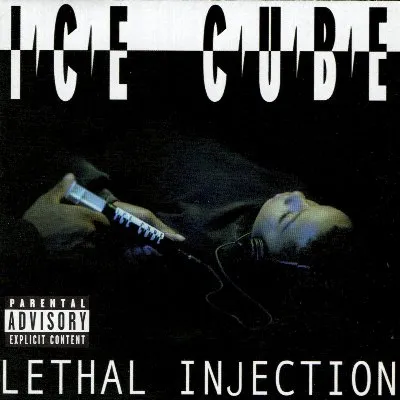
Lethal Injection
1993
Continues the gritty storytelling with evolved production and themes.
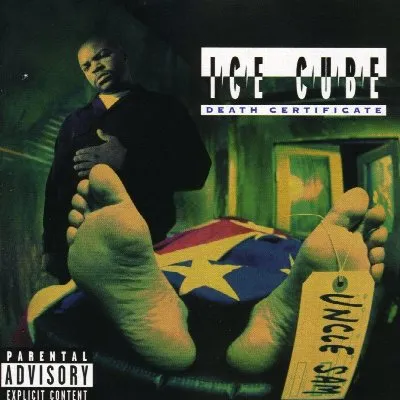
Death Certificate
1991
Precedes The Predator, sharing similar intensity and social commentary.
If this landed
Records by other artists that run on the same instinct.
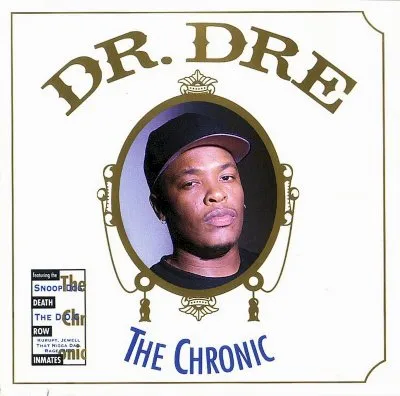
The Chronic
Dr. Dre
Shares the early-'90s West Coast setting, G-funk basslines, and hard-edged street narratives.
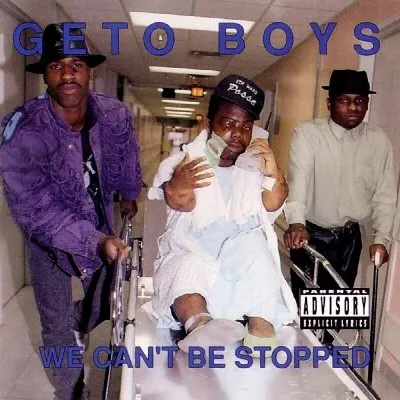
We Can't Be Stopped
Geto Boys
Pairs stark accounts of urban violence and survival with blunt, heavy production.
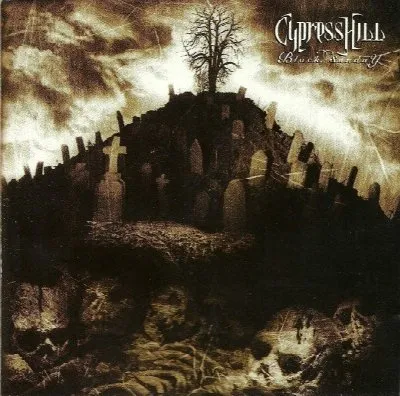
Black Sunday
Cypress Hill
Shares a grim, confrontational mood and forceful storytelling over thick, sample-driven beats.
Reference: Wikipedia · MusicBrainz · Wikidata
Sync your library
Everything you track here works immediately — no account needed. Create one when you want to sync across devices.