

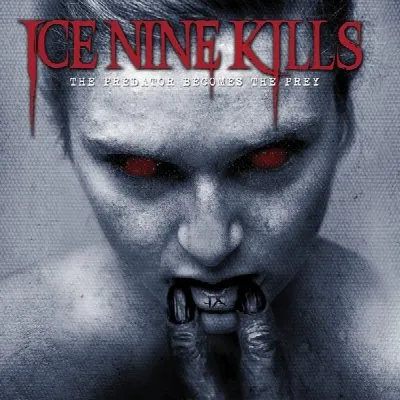
The Predator Becomes the Prey
Ice Nine Kills · 2014
37 min · 11 tracks · heavy metal
Aggressive riffs and theatrical storytelling collide in a relentless exploration of horror-inspired themes and heavy metal intensity.
Top tracks — play these first
-
→
The Power in Belief — The opening track sets the tone with its high-energy instrumentation and introduces the overarching horror theme, showcasing the band's signature melodic hooks alongside aggressive vocals.
-
→
Let’s Bury the Hatchet… in Your Head — This track combines catchy melodies with dark humor, illustrating Ice Nine Kills' knack for blending horror elements into accessible metalcore without losing intensity.
-
→
The Fastest Way to a Girl’s Heart Is Through Her Ribcage — With its clever title and vivid imagery, this song exemplifies the band's theatrical style, balancing brutal riffs with an engaging narrative that captures listeners’ attention.
-
→
What Lies Beneath — This track features haunting lyrics and atmospheric elements that create a compelling contrast to the heavier instrumentals, highlighting the band's versatility in songwriting.
Elevation
Our rating, out of 100 — and why.
AI-generated from five scored dimensions. An opinion, not a measurement.
The album combines aggressive metal with horror storytelling, showcasing strong craft and thematic cohesion.
What we noticed
- The album features a consistent use of aggressive guitar riffs that drive the tempo across nearly all tracks.
- Each song incorporates theatrical elements, often using spoken word sections to enhance the horror narrative.
- Several tracks transition seamlessly into one another, creating a continuous flow that maintains intensity throughout.
- The lyrics frequently reference classic horror themes and characters, establishing a strong thematic cohesion.
- Composition 25% of the score
-
7/10
- Craft 20% of the score
-
8/10
- Durability 25% of the score
-
6/10
- Distinctiveness 18% of the score
-
7/10
- Sequencing 12% of the score
-
8/10
the writing — melody, harmony, structure, lyrics
production, performance, arrangement
whether it rewards returning to it
whether it sounds like itself
running order, pacing, length
Known within its scene. Reported but not counted — how far a record travelled describes its reception rather than the record, and a newer release has had less time to travel than an older one.
Is this for you?
Good fit if you like
- steady mid-tempo aggression
- theatrical storytelling in every track
- engaging narratives with horror themes
- for focused listening sessions
Maybe skip if you
- prefer instant gratification tracks
- avoid theatrical and narrative styles
Where this album fits
- Career context
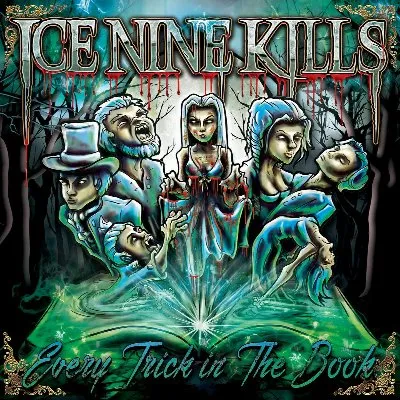
- The Predator Becomes the Prey is Ice Nine Kills' third studio album, released in 2014 as a follow-up to their previous work, Every Trick in the Book. At this point, the band was solidifying their unique blend of horror-themed narratives within the metalcore genre, moving towards a more refined sound that would later define their career.
- Stylistic neighbors
- Motionless in White· Asking Alexandria· Bring Me the Horizon
Moments worth listening for
Where the writing does something specific.
-
Let’s Bury the Hatchet… in Your Head
A shift occurs when the narrator directly addresses a foe with biting sarcasm before turning introspective about vengeance.
This moment juxtaposes aggression with vulnerability, revealing deeper motivations behind violent imagery and enhancing the song's emotional complexity.
Tracklist
Best experienced from track one — press play and let it unfold.
- 1 The Power in Belief 3:39
- 2 Let’s Bury the Hatchet… in Your Head 3:51
- 3 The Coffin Is Moving 3:09
- 4 The Fastest Way to a Girl’s Heart Is Through Her Ribcage 3:07
- 5 The Product of Hate 3:25
- 6 Connect the Cuts 3:11
- 7 Jonathan 2:53
- 8 What I Never Learned in Study Hall 3:35
- 9 So Long Steven Long 3:28
- 10 What Lies Beneath 3:29
- 11 My Life in Two 3:46

Reference: Wikipedia · MusicBrainz · Wikidata
Sync your library
Everything you track here works immediately — no account needed. Create one when you want to sync across devices.