

Top tracks — play these first
-
→
Magic Bus Start here — accessible entry with immediate hook
-
→
My Generation — Roger Daltrey’s stuttering delivery and John Entwistle’s prominent bass breaks make the early single’s defiance sound volatile as well as catchy.
-
→
I Can See for Miles — Layered harmonies and Keith Moon’s explosive drumming turn a tale of suspicion into a vast piece of psychedelic pop.
-
→
Pinball Wizard — A rapidly strummed acoustic-guitar introduction launches one of Tommy’s most accessible episodes, describing its protagonist’s unlikely sporting prowess.
-
→
Baba O'Riley — Its repeating synthesizer pattern sets a hypnotic frame for the band’s muscular entrance, pointing toward the expansive sound of Who’s Next.
-
→
Won't Get Fooled Again — A cycling synthesizer figure sustains an extended confrontation with political disillusionment, building toward Daltrey’s climactic scream.
Elevation
Our rating, out of 100 — and why.
AI-generated from five scored dimensions. An opinion, not a measurement.
The compilation captures The Who's diverse sound but lacks a cohesive narrative due to its nature as an anthology.
What we noticed
- Tracks are sequenced to alternate between high-energy anthems and more introspective ballads, creating dynamic shifts in mood.
- Several tracks include extended instrumental sections, particularly in songs like 'Baba O'Riley' and 'Won't Get Fooled Again', emphasizing the band's rock operatic style.
- Composition 25% of the score
-
6/10
- Craft 20% of the score
-
7/10
- Durability 25% of the score
-
5/10
- Distinctiveness 18% of the score
-
6/10
- Sequencing 12% of the score
-
4/10
the writing — melody, harmony, structure, lyrics
production, performance, arrangement
whether it rewards returning to it
whether it sounds like itself
running order, pacing, length
Significant within its genre. Reported but not counted — how far a record travelled describes its reception rather than the record, and a newer release has had less time to travel than an older one.
Is this for you?
Good fit if you like
- dynamic peaks of energy
- short bursts of anthems
- nostalgic reflections on youth
- playful irreverence throughout tracks
- late-night sing-alongs with friends
Maybe skip if you
- preference for lengthy pieces
- dislike for energetic variety
Where this album fits
- In the catalog
- Starting Point — A comprehensive anthology that introduces new listeners to The Who's key songs.
- Themes
- 1960s counterculture· rock opera legacy
- Career context
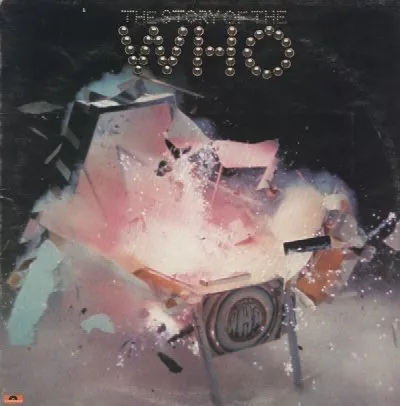
- Released in 1976, The Story of The Who surveys the band’s first decade, from their mid-1960s singles through 1975’s The Who by Numbers. Its generous selection from Tommy also looks back on the rock opera’s transformation into a Ken Russell film the previous year.
- Stylistic neighbors
- The Kinks· Led Zeppelin· The Rolling Stones
Tracklist
Disc 1
- 1 Magic Bus Start here 3:21
- 2 Substitute 2:13
- 3 Boris the Spider 2:32
- 4 Run Run Run 2:47
- 5 I'm a Boy 2:42
- 6 Heat Wave 1:59
- 7 My Generation 3:22
- 8 Pictures of Lily 2:47
- 9 Happy Jack 2:16
- 10 The Seeker 3:26
- 11 I Can See for Miles 4:19
- 12 Bargain 5:38
- 13 Squeeze Box 2:41
Disc 2
- 1 Amazing Journey 4:28
- 2 The Acid Queen 3:37
- 3 Do You Think It's Alright? 0:29
- 4 Fiddle About 1:34
- 5 Pinball Wizard 3:05
- 6 I'm Free 2:41
- 7 Tommy's Holiday Camp 0:59
- 8 We're Not Gonna Take It 7:05
- 9 Summertime Blues 3:37
- 10 Baba O'Riley 5:01
- 11 Behind Blue Eyes 3:41
- 12 Slip Kid 4:13
- 13 Won't Get Fooled Again 8:33
What to play next
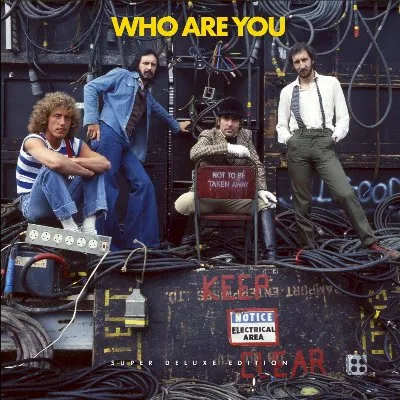
Who Are You
1978
Continues the rock energy with more mature themes and polished sound.
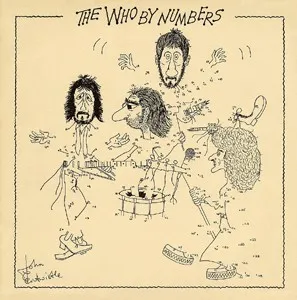
The Who by Numbers
1975
Sets the stage with reflective songwriting leading into this anthology.
If this landed
Records by other artists that run on the same instinct.
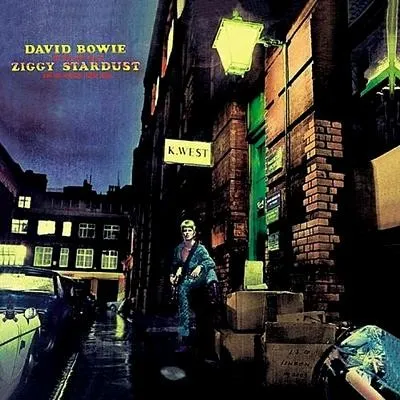
The Rise and Fall of Ziggy Stardust and the Spiders from Mars
David Bowie
Both explore counterculture themes with theatrical storytelling and a blend of rock styles.
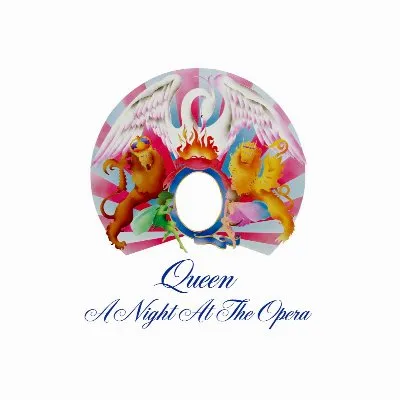
A Night at the Opera
Queen
Shares grandiose arrangements and a mix of anthemic rock with introspective ballads, echoing The Who's experimentation.
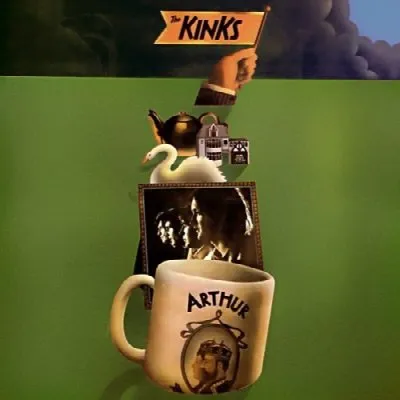
Arthur (Or the Decline and Fall of the British Empire)
The Kinks
Combines narrative-driven songs with social commentary reflecting the era's cultural shifts, akin to The Who's legacy.
Reference: Wikipedia · MusicBrainz · Wikidata
Sync your library
Everything you track here works immediately — no account needed. Create one when you want to sync across devices.