

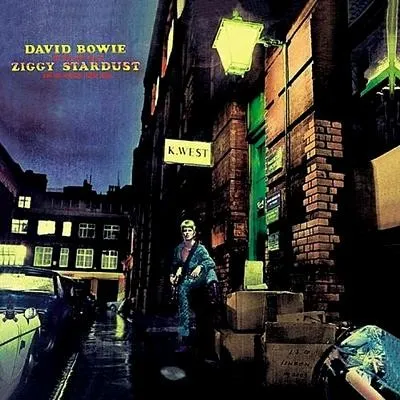
The Rise and Fall of Ziggy Stardust and the Spiders from Mars
David Bowie · 1972
54 min · 16 tracks · alternative rock
Glam rock flamboyance collides with narrative ambition, creating a vivid sci-fi odyssey through sound and character.
Top tracks — play these first
-
→
Five Years Start here — establishes the narrative and mood of the album
-
→
Starman — This track acts as a bridge between Ziggy's cosmic narrative and mainstream appeal, featuring an unforgettable chorus that invites listeners to connect with the story.
-
→
Suffragette City — With its infectious energy and driving guitar riffs, this track exemplifies the raw power of glam rock while serving as a rallying cry for rebellion.
-
→
Moonage Daydream — A sonic exploration of identity and transformation, this track encapsulates the album’s themes with its lush instrumentation and poetic lyrics.
Elevation
Our rating, out of 100 — and why.
AI-generated from five scored dimensions. An opinion, not a measurement.
The album's strong narrative and varied instrumentation create a distinct and influential sound.
What we noticed
- The album features a narrative arc that follows the rise and fall of Ziggy Stardust, with each track contributing to the overarching story.
- Instrumentation varies significantly across tracks, with lush arrangements in songs like 'Starman' contrasting with rawer sounds in 'Hang On to Yourself'.
- Several tracks incorporate theatrical vocal delivery, particularly in 'Rock ’n’ Roll Suicide', where Bowie shifts from soft singing to powerful crescendos.
- Composition 25% of the score
-
9/10
- Craft 20% of the score
-
8/10
- Durability 25% of the score
-
8/10
- Distinctiveness 18% of the score
-
9/10
- Sequencing 12% of the score
-
7/10
the writing — melody, harmony, structure, lyrics
production, performance, arrangement
whether it rewards returning to it
whether it sounds like itself
running order, pacing, length
Defined its genre or moment. Reported but not counted — how far a record travelled describes its reception rather than the record, and a newer release has had less time to travel than an older one.
Is this for you?
Good fit if you like
- theatrical storytelling with vivid imagery
- wave-like pacing with dynamic shifts
- immersive experience of character exploration
- cathartic anthems for self-discovery
- nostalgic reflections on identity
Maybe skip if you
- prefer straightforward song structures
- seek instant gratification from tracks
Where this album fits
- In the catalog
- Breakthrough — This album introduced Ziggy Stardust, establishing Bowie's wider recognition.
- Themes
- glam rock rebellion· fame's consequences· alien messiah narrative
- Career context
- Released on June 6, 1972, this album marked David Bowie's emergence as a defining figure in glam rock. Following his early works, Ziggy Stardust solidified his status after the moderate success of Hunky Dory, establishing Bowie both commercially and artistically at a critical juncture in his career.
- Stylistic neighbors
- Brian Eno· Roxy Music· Talking Heads
Tracklist
- 1 Five Years Start here 4:42
- 2 Soul Love 3:33
- 3 Moonage Daydream 4:37
- 4 Starman 4:16
- 5 It Ain’t Easy 2:57
- 6 Lady Stardust 3:21
- 7 Star 2:47
- 8 Hang On to Yourself 2:38
- 9 Ziggy Stardust 3:13
- 10 Suffragette City 3:25
- 11 Rock ’n’ Roll Suicide 2:57
- 12 John, I’m Only Dancing 2:43
- 13 Velvet Goldmine 3:09
- 14 Sweet Head 4:14
- 15 Ziggy Stardust (original demo) 2:35
- 16 Lady Stardust (original demo) 3:35
What to play next

Aladdin Sane
1973
Continues the glam rock energy with more complex arrangements and themes.
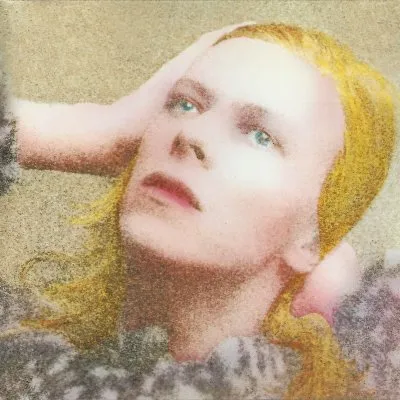
Hunky Dory
1971
Sets the stage with similar lyrical depth and sonic experimentation.
If this landed
Records by other artists that run on the same instinct.
Reference: Wikipedia · MusicBrainz · Wikidata
Sync your library
Everything you track here works immediately — no account needed. Create one when you want to sync across devices.