

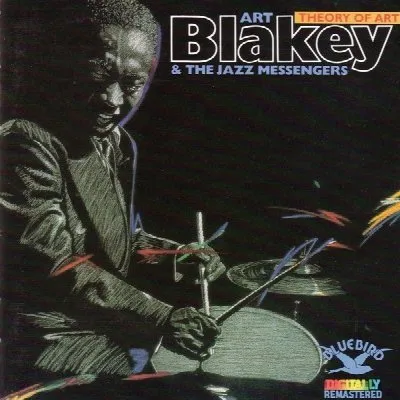
Theory of Art
Art Blakey · 1987
53 min · 7 tracks · jazz
A vibrant blend of intricate bebop rhythms and soulful improvisation that showcases Blakey's dynamic drumming and ensemble cohesion.
Top tracks — play these first
-
→
A Night in Tunisia Start here — This track stands out as a classic jazz standard reinterpreted through Blakey's powerful drumming and the ensemble's expressive solos, encapsulating the album's energetic spirit.
-
→
Theory of Art — The title track exemplifies Blakey's innovative approach, blending intricate rhythms with melodic exploration that invites listeners into the creative process of jazz.
-
→
Couldn't It Be You — This piece showcases engaging interplay between musicians, illustrating Blakey's mastery in fostering collaboration within his band while maintaining rhythmic drive.
Is this for you?
Good fit if you like
- steady pacing with vibrant energy
- improvisational mastery throughout tracks
- gradual build leading to resolution
- engaging rhythms for focused listening
- for late-night sessions
Maybe skip if you
- prefer instant gratification tracks
- seek short, standalone songs
Where this album fits
- In the catalog
- Late Career Highlight — Shows Blakey's continued vitality and influence in jazz during his later years.
- Themes
- bebop innovation· jazz improvisation· New York nightlife
- Career context
- By the time Art Blakey released Theory of Art in 1987, he was already an established jazz icon, known for leading the Jazz Messengers since the 1950s. This album came during a period of revitalization for Blakey, showcasing his ability to adapt to contemporary jazz while still honoring traditional bebop roots.
- Stylistic neighbors
- Max Roach· Elvin Jones· Tony Williams
Tracklist
- 1 A Night in Tunisia Start here 12:54
- 2 Off the Wall 7:14
- 3 Couldn't It Be You 8:08
- 4 Theory of Art 9:43
- 5 Evans 5:47
- 6 A Night at Tony's 4:22
- 7 Social Call 5:18

If this landed
Records by other artists that run on the same instinct.
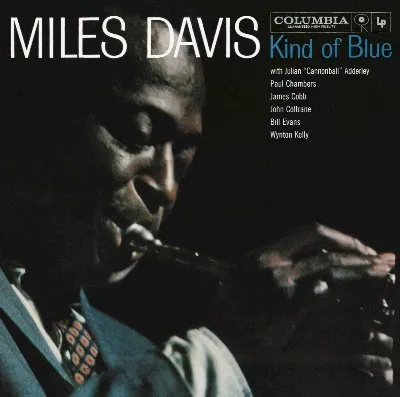
Kind of Blue
Miles Davis
Both explore innovative jazz improvisation with a focus on mood and atmosphere, shaping the genre's evolution.
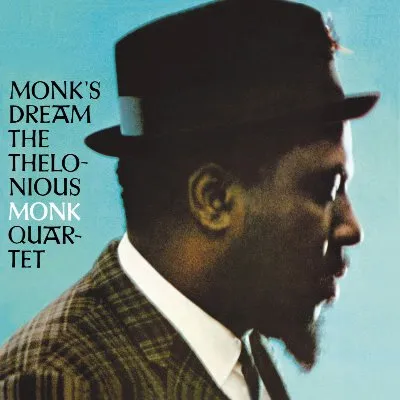
Monk's Dream
Thelonious Monk
Shares complex rhythmic structures and a vibrant interplay of improvisation in a bebop context.
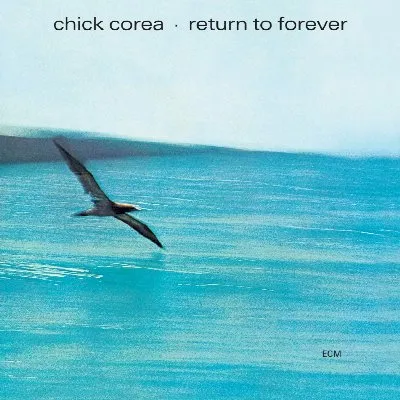
Return to Forever
Chick Corea
Combines jazz fusion elements with bebop intricacies, maintaining a dynamic and exploratory spirit.
Reference: Wikipedia · MusicBrainz · Wikidata
Sync your library
Everything you track here works immediately — no account needed. Create one when you want to sync across devices.