

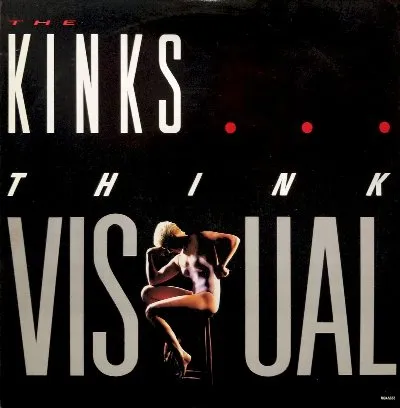
Top tracks — play these first
-
→
Working at the Factory Start here — This track sets the tone for the album by portraying the monotony of daily life with an upbeat tempo that contrasts its serious subject matter.
-
→
The Video Shop — With its direct critique of consumer culture, this song encapsulates the album's themes of media saturation and nostalgia for simpler times.
-
→
Welcome to Sleazy Town — This track employs vivid imagery to explore urban decay and disillusionment, exemplifying Ray Davies' storytelling prowess amid a catchy melody.
Elevation
Our rating, out of 100 — and why.
AI-generated from five scored dimensions. An opinion, not a measurement.
The album combines sharp guitars with witty lyrics but lacks strong cohesion and broader impact.
What we noticed
- The album features a consistent use of sharp, distorted guitar riffs that drive the majority of the tracks.
- Several songs incorporate spoken word elements alongside traditional singing, creating a conversational tone.
- The lyrics often reflect on contemporary issues and urban life, with a focus on media culture and personal experiences.
- Composition 25% of the score
-
6/10
- Craft 20% of the score
-
6/10
- Durability 25% of the score
-
5/10
- Distinctiveness 18% of the score
-
6/10
- Sequencing 12% of the score
-
5/10
the writing — melody, harmony, structure, lyrics
production, performance, arrangement
whether it rewards returning to it
whether it sounds like itself
running order, pacing, length
Little footprint beyond its audience. Reported but not counted — how far a record travelled describes its reception rather than the record, and a newer release has had less time to travel than an older one.
Is this for you?
Good fit if you like
- short, engaging listening sessions
- dynamic storytelling elements
- playful yet reflective moods
- upbeat and catchy hooks
Where this album fits
- In the catalog
- Deep Cut — Offers a unique perspective on modern life, appreciated by dedicated fans.
- Themes
- video culture critique· factory life monotony· modern consumerism
- Career context
- Released in 1986, Think Visual was The Kinks' 20th studio album, arriving after their commercial resurgence in the late 1970s. It followed the less successful Word of Mouth, showcasing a shift towards more contemporary themes reflecting societal changes. This album further solidified their legacy as pioneers of rock while navigating the evolving music landscape of the '80s.
- Stylistic neighbors
- The Who· The Yardbirds· The Rolling Stones
Tracklist
- 1 Working at the Factory Start here 3:00
- 2 Lost and Found 5:18
- 3 Repetition 4:06
- 4 Welcome to Sleazy Town 3:49
- 5 The Video Shop 5:15
- 6 Rock 'n' Roll Cities 3:44
- 7 How Are You 4:29
- 8 Think Visual 3:12
- 9 Natural Gift 3:44
- 10 Killing Time 4:01
- 11 When You Were a Child 3:40
What to play next

Come Dancing with The Kinks
1986
Continues the vibrant energy and modern themes from Think Visual.
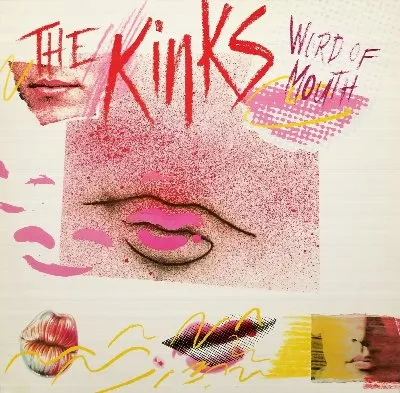
Word of Mouth
1984
Sets the stage with similar lyrical wit and musical style.
If this landed
Records by other artists that run on the same instinct.

Reference: Wikipedia · MusicBrainz · Wikidata
Sync your library
Everything you track here works immediately — no account needed. Create one when you want to sync across devices.