

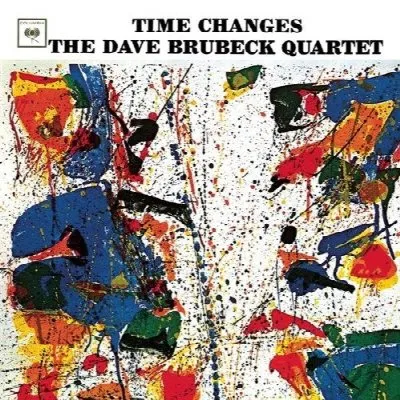
Time Changes
Dave Brubeck · 1964
35 min · 6 tracks · jazz
Brubeck’s rhythmic experiments open into a meeting of jazz quartet and orchestra, with piano and alto saxophone tracing nimble paths through shifting meters.
Top tracks — play these first
-
→
Iberia — The opening piece introduces the album’s rhythmic curiosity in a compact quartet setting, with Brubeck’s piano and Paul Desmond’s alto saxophone in close conversation.
-
→
Unisphere — Its longer running time gives the quartet room to develop its rhythmic ideas and lets Desmond’s flowing alto lines play against Brubeck’s more percussive piano.
-
→
World's Fair — This short piece returns the focus to the quartet’s rhythmic interplay, offering a concise contrast to the expansive orchestral writing later on.
-
→
Elementals — The album’s extended orchestral composition brings the quartet into a larger ensemble, making Brubeck’s interest in the meeting of jazz improvisation and concert composition central to the record.
Elevation
Our rating, out of 100 — and why.
AI-generated from five scored dimensions. An opinion, not a measurement.
InstrumentalBrubeck’s original themes and metrical turns give the set a clear identity, while its steady quartet format leaves less contrast in the album’s pacing.
What we noticed
- All six tracks are Brubeck compositions; the program avoids standards and keeps the quartet working within his own melodic and rhythmic ideas.
- Irregular meter is a recurring structural device: the rhythm section shifts the pulse beneath piano-led themes rather than treating the tunes as straight-ahead swing.
- The sequence runs from Iberia through Elementals without a vocal or obvious stylistic detour, giving the set a consistent quartet sound.
- Composition 25% of the score
-
7/10
- Craft 20% of the score
-
8/10
- Durability 25% of the score
-
7/10
- Distinctiveness 18% of the score
-
7/10
- Sequencing 12% of the score
-
7/10
the writing — melody, harmony, structure, lyrics
production, performance, arrangement
whether it rewards returning to it
whether it sounds like itself
running order, pacing, length
Little footprint beyond its audience. Reported but not counted — how far a record travelled describes its reception rather than the record, and a newer release has had less time to travel than an older one.
Is this for you?
Good fit if you like
- cityscape-inspired musical detours
- brief stops before one long
- a sixteen-minute closing stretch
- compact albums with one extended
Maybe skip if you
- want every track under six
- prefer evenly sized tracks
Where this album fits
- In the catalog
- Deep Cut — A mid-career continuation of Brubeck’s explorations of unusual meters, rather than a defining entry point or career m...
- Themes
- shifting-meter piano patterns· alto saxophone dialogue· quartet-and-orchestra interplay
- Career context
- Released in 1964, Time Changes continued Dave Brubeck’s exploration of unusual meters after the quartet’s 1959 breakthrough Time Out and its follow-up Time Further Out. It also extended his interest in writing for larger forces: the long-form Elementals places the quartet alongside an orchestra.
- Stylistic neighbors
- Paul Desmond· Gerry Mulligan· Chet Baker
Tracklist
Best experienced from track one — press play and let it unfold.
- 1 Iberia 3:00
- 2 Unisphere 5:43
- 3 Shim Wha 4:02
- 4 World's Fair 2:44
- 5 Cable Car 2:59
- 6 Elementals 16:35
What to play next
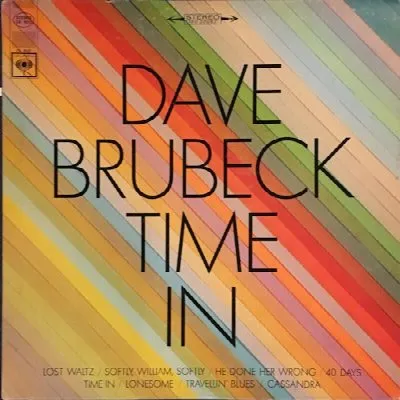
Time In
1966
It extends the quartet’s rhythmic experiments into a fresh set of shifting meters and melodic ideas.
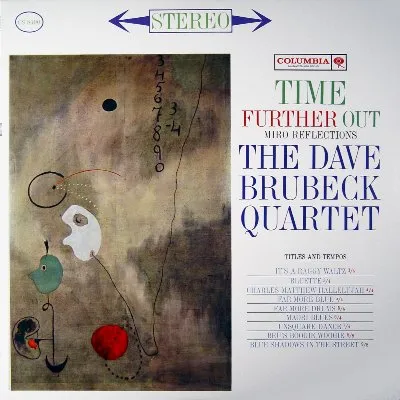
Time Further Out
1961
Its adventurous time signatures set up the rhythmic explorations that continue on Time Changes.
If this landed
Records by other artists that run on the same instinct.
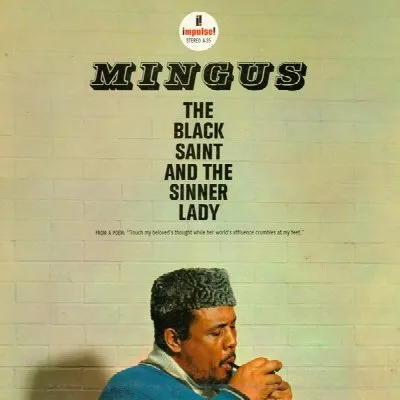
The Black Saint and the Sinner Lady
Charles Mingus
A suite-like orchestral jazz setting where shifting meters and nimble ensemble lines shape the drama.
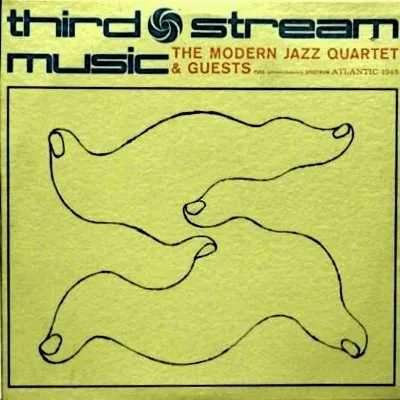
Third Stream Music
Modern Jazz Quartet
Marries a jazz quartet’s interplay with orchestral writing, sharing Brubeck’s chamber-meets-jazz approach.
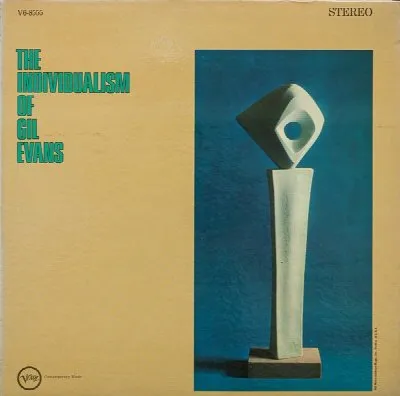
The Individualism of Gil Evans
Gil Evans
Blends small-group improvisation with orchestral color, letting saxophone lines move through detailed arrangements.
Reference: Wikipedia · MusicBrainz · Wikidata
Sync your library
Everything you track here works immediately — no account needed. Create one when you want to sync across devices.