


Time Will Pronounce
Michael Nyman · 1993
64 min · 4 tracks · opera
A sweeping orchestral tapestry interwoven with minimalist motifs, reflecting Nyman's unique blend of contemporary classical and operatic influences.
Top tracks — play these first
-
→
Self-Laudatory Hymn of Inanna and Her Omnipotence — This track encapsulates Nyman's signature style, blending intricate vocal lines with rich instrumental textures that echo themes of power and divinity.
-
→
Time Will Pronounce — The title track serves as a poignant exploration of time and existence, featuring expansive melodies that underscore the philosophical undercurrents present throughout the album.
-
→
For John Cage — Dedicated to the avant-garde composer John Cage, this piece showcases Nyman's experimental techniques and pays homage to Cage’s influence on contemporary music.
Where this album fits
- In the catalog
- Deep Cut — A solid entry in Nyman's catalog that may not be widely recognized.
- Themes
- philosophical reflections· divine power· avant-garde homage
- Career context
- Released in 1993, Time Will Pronounce marked Michael Nyman's expansion beyond film scores into the realm of concert music. This album followed his notable work on soundtracks such as The Piano (1993), showcasing his evolution as a composer capable of merging operatic structures with modern sensibilities.
- Stylistic neighbors
- Philip Glass· Steve Reich· Arvo Pärt
Tracklist
Best experienced from track one — press play and let it unfold.
- 1 Self-Laudatory Hymn of Inanna and Her Omnipotence 14:03
- 2 Time Will Pronounce 20:39
- 3 The Convertibility of the Lute Strings 15:14
- 4 For John Cage 14:22


If this landed
Records by other artists that run on the same instinct.

Einstein on the Beach
Philip Glass
Combines minimalism with operatic structure, exploring philosophical themes through a unique sonic landscape.
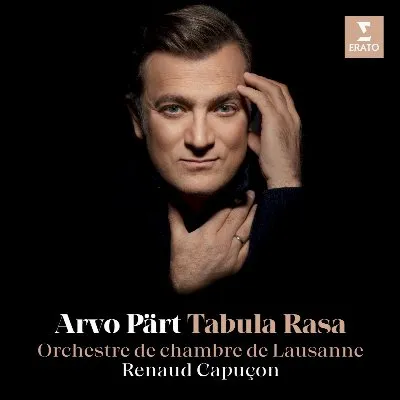
Tabula rasa
Arvo Pärt
Shares a reflective, minimalist approach with spiritual undertones and rich orchestral textures.
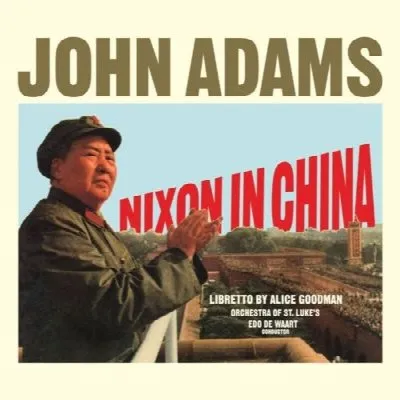
Nixon in China
John Adams
Merges operatic form with contemporary classical elements, addressing historical themes through dynamic composition.
Reference: Wikipedia · MusicBrainz · Wikidata
Sync your library
Everything you track here works immediately — no account needed. Create one when you want to sync across devices.