

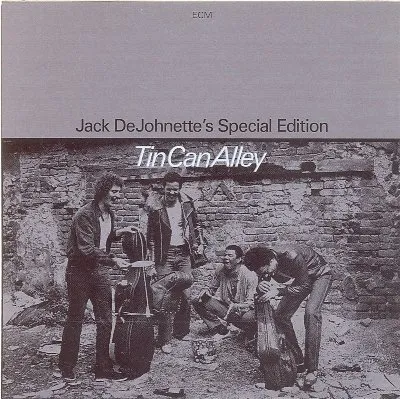
Tin Can Alley
Jack DeJohnette · 1981
47 min · 5 tracks · jazz
A vibrant fusion of free jazz and rhythmic exploration that dances between structure and improvisation.
Top tracks — play these first
-
→
Tin Can Alley Start here — The title track serves as a centerpiece, showcasing DeJohnette's complex rhythms and dynamic interplay with other musicians, setting the tone for the album's adventurous spirit.
-
→
Pastel Rhapsody — This lengthy composition highlights DeJohnette’s ability to weave intricate melodies with expansive improvisational sections, creating an immersive listening experience.
-
→
Riff Raff — With its engaging grooves and playful energy, this track exemplifies the album's experimental nature while maintaining a sense of liveliness and spontaneity.
Elevation
Our rating, out of 100 — and why.
AI-generated from five scored dimensions. An opinion, not a measurement.
InstrumentalThe album showcases strong improvisation and unique soundscapes, marking a notable phase in DeJohnette's career.
What we noticed
- The album features five tracks, each varying in length and complexity, with improvisational sections that often extend beyond structured melodies.
- Rhythmic patterns shift frequently, creating a dynamic interplay between the instruments that emphasizes spontaneity.
- Composition 25% of the score
-
7/10
- Craft 20% of the score
-
8/10
- Durability 25% of the score
-
6/10
- Distinctiveness 18% of the score
-
8/10
- Sequencing 12% of the score
-
5/10
the writing — melody, harmony, structure, lyrics
production, performance, arrangement
whether it rewards returning to it
whether it sounds like itself
running order, pacing, length
Known within its scene. Reported but not counted — how far a record travelled describes its reception rather than the record, and a newer release has had less time to travel than an older one.
Is this for you?
Good fit if you like
- long immersive listening sessions
- dynamic emotional journeys
- layered dense sonic textures
- gradual builds and payoffs
Where this album fits
- In the catalog
- Experimental — Represents a shift into a more experimental phase in DeJohnette's career.
- Themes
- experimental rhythms· improvisational landscapes· jazz fusion exploration
- Career context
- Released in 1981, Tin Can Alley marks Jack DeJohnette's transition into a more experimental phase of his career, following his acclaimed work with the Charles Lloyd Quartet and Miles Davis. By this time, DeJohnette had established himself as a formidable force in jazz drumming, making this album a significant step in showcasing his compositional skills and innovative approach to jazz fusion.
- Stylistic neighbors
- Tony Williams· Chick Corea· Brian Blade
Tracklist
- 1 Tin Can Alley Start here 10:49
- 2 Pastel Rhapsody 14:34
- 3 Riff Raff 6:58
- 4 The Gri Gri Man 4:45
- 5 I Know 10:19
What to play next
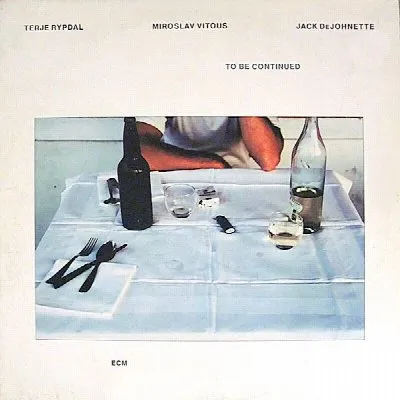
To Be Continued
1981
Continues the experimental vibe with fresh rhythmic explorations.

Solo Live
1980
Sets the stage for the improvisational energy found in Tin Can Alley.
If this landed
Records by other artists that run on the same instinct.
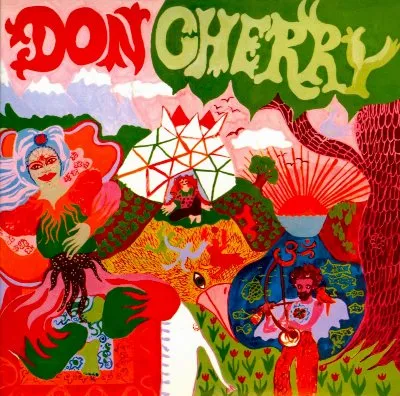
Organic Music Society
Don Cherry
Shares a similar experimental approach, blending free jazz with world music influences and improvisational freedom.
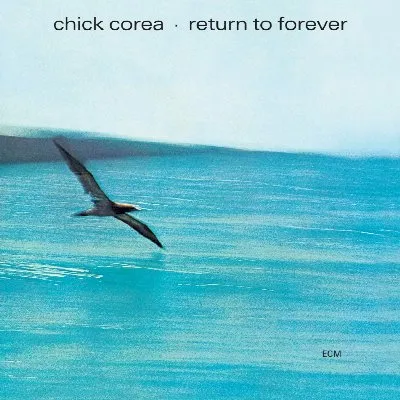
Return to Forever
Chick Corea
Explores intricate rhythms and fusion styles, combining jazz improvisation with progressive rock elements.
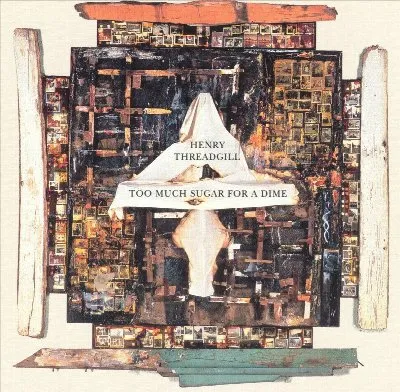
Too Much Sugar for a Dime
Henry Threadgill
Features innovative compositional techniques and a vibrant interplay of melody and rhythm within jazz contexts.
Reference: Wikipedia · MusicBrainz · Wikidata
Sync your library
Everything you track here works immediately — no account needed. Create one when you want to sync across devices.