

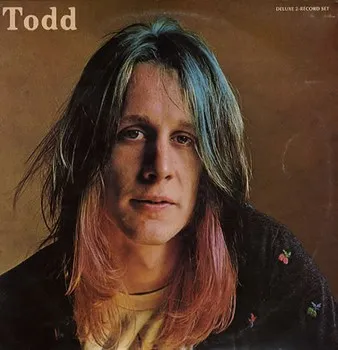
Todd
Todd Rundgren · 1974
66 min · 17 tracks · hard rock
Synthesizers flicker around intimate pop melodies while hard rock eruptions and theatrical detours pull the double album in unpredictable directions.
Top tracks — play these first
-
→
I Think You Know Start here — accessible entry with immediate hook
-
→
A Dream Goes On Forever — A brief, tender melody and soft electronic textures offer a point of stillness amid the album’s abrupt stylistic turns.
-
→
The Last Ride — A measured ballad grows into an extended guitar-led passage, giving Rundgren room to make the instrument as expressive as the vocal.
-
→
Lord Chancellor's Nightmare Song — Rundgren takes on Gilbert and Sullivan’s rapid-fire patter song, placing theatrical wordplay inside the album’s restless studio collage.
-
→
Heavy Metal Kids — Distorted guitars and an abrasive vocal push the record toward hard rock, a sharp contrast to its more delicate keyboard-centered songs.
-
→
Sons of 1984 — The closing anthem turns outward toward a collective future, ending the album with a communal singalong rather than another private reverie.
Elevation
Our rating, out of 100 — and why.
AI-generated from five scored dimensions. An opinion, not a measurement.
The album showcases diverse styles and ambitious compositions, making it a notable work in Rundgren's discography.
What we noticed
- The album features a wide range of styles, with tracks shifting from rock to pop to experimental within single songs.
- Several tracks incorporate unconventional song structures, such as 'An Elpee's Worth of Toons,' which is a medley of short pieces.
- The use of varied instrumentation, including synthesizers and orchestral elements, creates distinct sonic textures across the album.
- The running time exceeds 70 minutes, with some tracks extending beyond typical lengths for rock music.
- Composition 25% of the score
-
8/10
- Craft 20% of the score
-
7/10
- Durability 25% of the score
-
6/10
- Distinctiveness 18% of the score
-
8/10
- Sequencing 12% of the score
-
5/10
the writing — melody, harmony, structure, lyrics
production, performance, arrangement
whether it rewards returning to it
whether it sounds like itself
running order, pacing, length
Significant within its genre. Reported but not counted — how far a record travelled describes its reception rather than the record, and a newer release has had less time to travel than an older one.
Is this for you?
Good fit if you like
- dynamic journey with peaks
- kaleidoscopic sound explorations
- engaging two-halves listening experience
- playful twists and turns
- thought-provoking lyrical content
Maybe skip if you
- prefer straightforward song structures
- seek instant gratification tracks
Where this album fits
- In the catalog
- Critical Peak — Showcases Rundgren's ambitious artistry and innovative sound, often cited as a high point.
- Themes
- theatrical storytelling· societal critique· kaleidoscopic soundscapes
- Career context
- Released in 1974, Todd was Rundgren’s fifth solo album and followed the densely experimental A Wizard, a True Star. Like its predecessor, it moved beyond the pop craft of Something/Anything? into a more fragmented, synthesizer-heavy studio approach.
- Stylistic neighbors
- Brian Eno· Roxy Music· David Bowie
Tracklist
- 1 How About a Little Fanfare? 1:03
- 2 I Think You Know Start here 3:04
- 3 The Spark of Life 6:23
- 4 An Elpee's Worth of Toons 2:09
- 5 A Dream Goes On Forever 2:21
- 6 Lord Chancellor's Nightmare Song 3:32
- 7 Drunken Blue Rooster 3:00
- 8 The Last Ride 4:48
- 9 Everybody's Going To Heaven / King Kong Reggae 6:38
- 10 Number 1 Lowest Common Denominator 5:12
- 11 Useless Begging 3:40
- 12 Sidewalk Cafe 2:15
- 13 Izzat Love? 1:55
- 14 Heavy Metal Kids 4:16
- 15 In and Out the Chakras We Go 5:47
- 16 Don't You Ever Learn? 6:06
- 17 Sons of 1984 4:33
What to play next
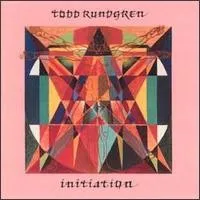
Initiation
1975
Continues the experimental sound while introducing new elements and textures.
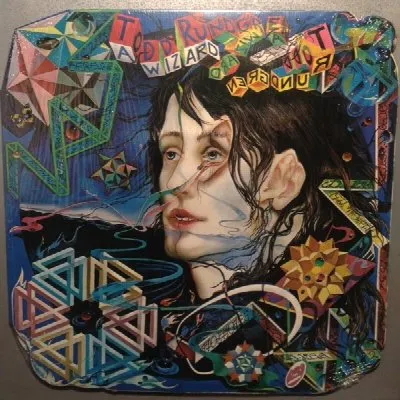
A Wizard, a True Star
1973
Prepares the listener with a similar eclectic style and adventurous spirit.
If this landed
Records by other artists that run on the same instinct.
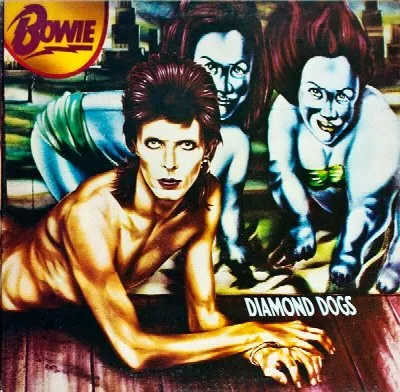
Diamond Dogs
David Bowie
Shares theatrical storytelling and a blend of rock with experimental soundscapes.
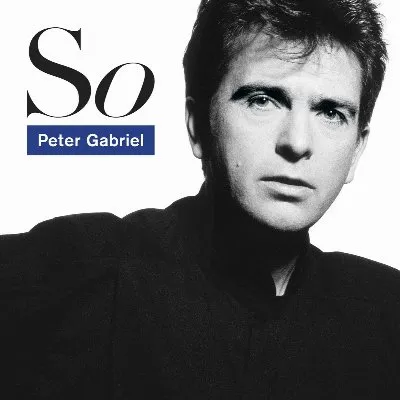
So
Peter Gabriel
Merges pop and rock with intricate arrangements and societal themes, creating rich sonic textures.
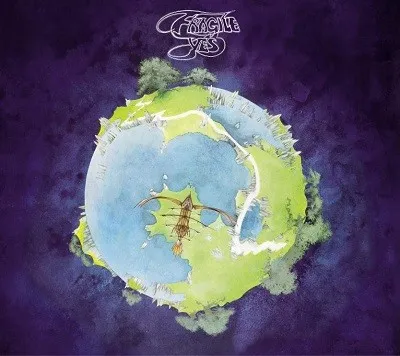
Fragile
Yes
Explores progressive elements with a kaleidoscopic approach to sound and complex musical structures.
Reference: Wikipedia · MusicBrainz · Wikidata
Sync your library
Everything you track here works immediately — no account needed. Create one when you want to sync across devices.