

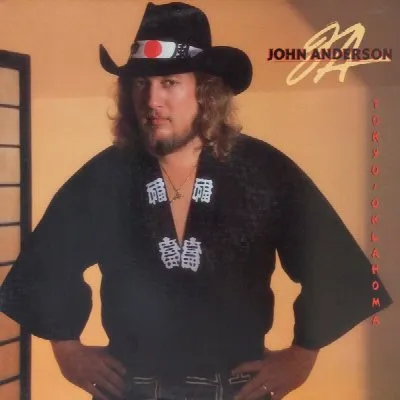
Tokyo, Oklahoma
John Anderson · 1985
32 min · 10 tracks · country music
John Anderson’s weathered twang threads honky-tonk heartache through a country record with a taste for rhythm and blues.
Top tracks — play these first
-
→
It's All Over Now Start here — Anderson opens with a country take on the Womack song, bringing his unmistakable drawl to its blend of romantic complaint and rhythmic swagger.
-
→
Tokyo, Oklahoma — The title track puts Anderson’s distinctive phrasing at the center of the album, giving its country setting a sharply individual voice.
-
→
A Little Rock 'N' Roll (And Some Country Blues) — Its blend of rock-and-roll energy and country-blues feeling makes the album’s interest in music beyond honky-tonk especially explicit.
-
→
Till I Get Used to the Pain — This slower selection gives Anderson room to linger over heartache, offering a contrast to the brisker confidence of the opening track.
Elevation
Our rating, out of 100 — and why.
AI-generated from five scored dimensions. An opinion, not a measurement.
The album showcases solid songwriting and production but lacks a strong cohesive arc across its runtime.
What we noticed
- The album features a consistent use of traditional country instrumentation, including steel guitar and fiddle, throughout its ten tracks.
- Several songs incorporate a call-and-response vocal style, particularly in the title track, enhancing the storytelling aspect.
- The pacing varies significantly, with tracks like 'Twelve Bar Blues' introducing a slower tempo that contrasts with the more upbeat songs earlier in the album.
- Composition 25% of the score
-
6/10
- Craft 20% of the score
-
7/10
- Durability 25% of the score
-
6/10
- Distinctiveness 18% of the score
-
6/10
- Sequencing 12% of the score
-
5/10
the writing — melody, harmony, structure, lyrics
production, performance, arrangement
whether it rewards returning to it
whether it sounds like itself
running order, pacing, length
Known within its scene. Reported but not counted — how far a record travelled describes its reception rather than the record, and a newer release has had less time to travel than an older one.
Is this for you?
Good fit if you like
- steady mid-tempo storytelling flow
- heartfelt narratives for reflection
- for casual gatherings
- easy background for conversations
Maybe skip if you
- seeking high-energy anthems
- prefer complex, lengthy compositions
Where this album fits
- In the catalog
- Deep Cut — A mid-1980s catalog entry that continues Anderson's honky-tonk and blues-inflected country sound after his breakthrough.
- Themes
- honky-tonk heartache· country-blues crossover· 1980s Nashville country
- Career context
- Released in 1985, Tokyo, Oklahoma followed Eye of a Hurricane and came after Anderson’s early-1980s breakthrough with the hit single “Swingin’.” Still recording for Warner Bros., he continued to work between traditional country phrasing and the demands of Nashville’s commercial country market.
- Stylistic neighbors
- Dwight Yoakam· George Strait· Randy Travis
Tracklist
- 1 It's All Over Now Start here 3:21
- 2 I've Got Me a Woman 3:23
- 3 Down in Tennessee 3:23
- 4 Tokyo, Oklahoma 2:43
- 5 A Little Rock 'N' Roll (And Some Country Blues) 3:25
- 6 Till I Get Used to the Pain 3:52
- 7 Twelve Bar Blues 3:10
- 8 Even a Fool Would Let Go 3:31
- 9 Willie's Gone 2:35
- 10 Only Your Love 3:36
What to play next
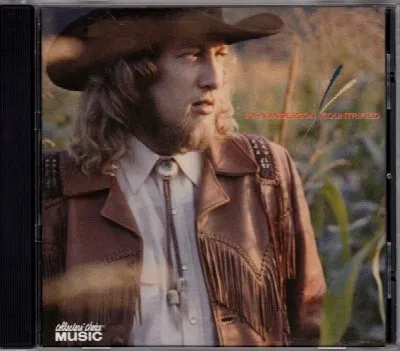
Countrified
1986
It continues the honky-tonk country sound while offering a fresh step into Anderson’s next studio album.
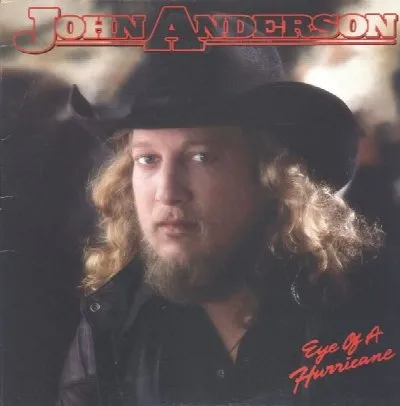
Eye of a Hurricane
1984
Its blend of country styles provides a natural lead-in to the blues-tinged storytelling here.
If this landed
Records by other artists that run on the same instinct.
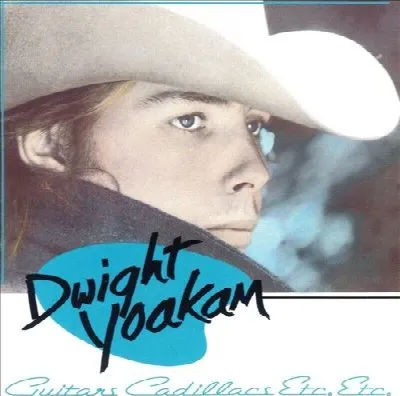
Guitars, Cadillacs, Etc., Etc.
Dwight Yoakam
Shares honky-tonk heartache and sharp twang, with a rootsier edge against mid-'80s country production.
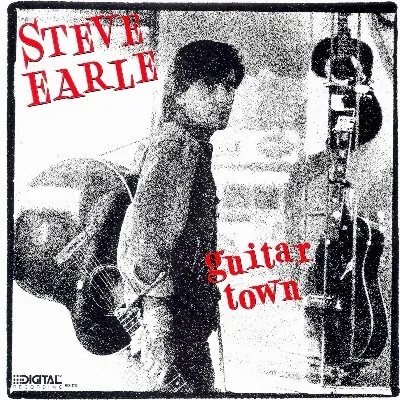
Guitar Town
Steve Earle
Pairs weathered country vocals and barroom longing with a similarly direct, rhythm-driven 1980s sound.
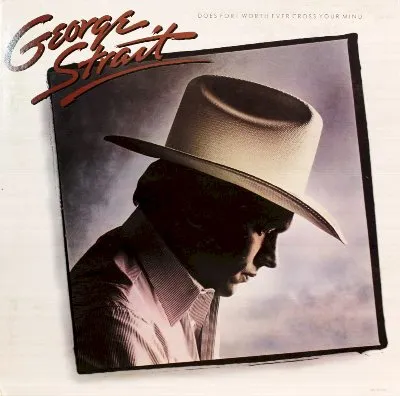
Does Fort Worth Ever Cross Your Mind
George Strait
Shares polished mid-'80s Nashville arrangements, traditional phrasing, and songs steeped in honky-tonk regret.
Reference: Wikipedia · MusicBrainz · Wikidata
Sync your library
Everything you track here works immediately — no account needed. Create one when you want to sync across devices.