


Used to Be Duke
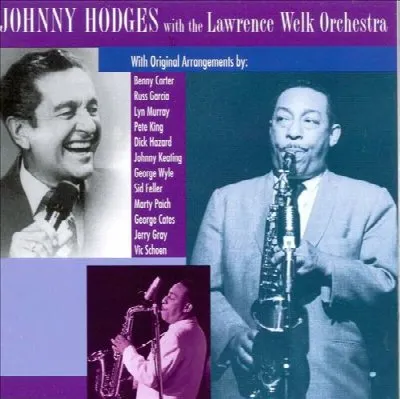
Johnny Hodges · 1954
48 min · 8 tracks · jazz
A lush tapestry of smooth saxophone melodies interwoven with rich orchestral arrangements that evoke a sense of nostalgia.
Top tracks — play these first
-
→
Used to Be Duke — The title track stands out as a bold statement of Hodges’ identity as a performer, featuring intricate saxophone lines that pay homage to his time with Ellington while asserting his individuality.
-
→
On the Sunny Side of the Street — This rendition captures the essence of classic jazz with its upbeat tempo and joyful saxophone flourishes, showcasing Hodges' ability to reinterpret beloved standards.
-
→
Ballad Medley: Autumn in New York / Sweet Lorraine / Time on My Hands / Smoke Gets in Your Eyes / If You Were Mine / Poor Butterfly / All of Me — The medley showcases Hodges' lyrical phrasing and emotional range, drawing listeners into an immersive experience through elegant transitions between timeless ballads.
Elevation
Our rating, out of 100 — and why.
AI-generated from five scored dimensions. An opinion, not a measurement.
InstrumentalHodges' saxophone work shines through rich arrangements, creating a cohesive yet varied listening experience.
What we noticed
- The album opens with a title track that features a prominent saxophone melody layered over lush orchestral strings, setting a nostalgic tone.
- The fifth track, 'Warm Valley', showcases a slower tempo and a more introspective arrangement compared to the preceding upbeat pieces.
- The 'Ballad Medley' combines multiple standards into one extended piece, allowing for varied dynamics and transitions between different melodies.
- Composition 25% of the score
-
7/10
- Craft 20% of the score
-
8/10
- Durability 25% of the score
-
6/10
- Distinctiveness 18% of the score
-
6/10
- Sequencing 12% of the score
-
7/10
the writing — melody, harmony, structure, lyrics
production, performance, arrangement
whether it rewards returning to it
whether it sounds like itself
running order, pacing, length
Known within its scene. Reported but not counted — how far a record travelled describes its reception rather than the record, and a newer release has had less time to travel than an older one.
Is this for you?
Good fit if you like
- smooth saxophone for cozy evenings
- rich orchestral warmth throughout
- patient explorations of melodic themes
- sophisticated backdrop for relaxation
Maybe skip if you
- seeking fast-paced excitement
- prefer short, standalone tracks
Where this album fits
- Career context
- Released in 1954, Used to Be Duke marked Johnny Hodges' return to the studio as a solo artist after years of being a prominent member of the Duke Ellington orchestra. At this point in his career, Hodges was establishing himself as a leading voice in jazz, following his departure from the band and seeking to showcase his unique sound.
- Stylistic neighbors
- Ben Webster· Coleman Hawkins· Lester Young
Moments worth listening for
Where the writing does something specific.
-
On the Sunny Side of the Street
The moment features a shift from playful saxophone melodies to a more reflective tone during the bridge, emphasizing optimism amidst uncertainty.
This structural change adds depth to the song's narrative, allowing Hodges to convey a personal journey towards joy while contrasting it with moments of introspection.
Tracklist
Best experienced from track one — press play and let it unfold.
- 1 Used to Be Duke 7:26
- 2 On the Sunny Side of the Street 3:00
- 3 Sweet as Bear Meat 3:22
- 4 Madam Butterfly 3:17
- 5 Warm Valley 3:24
- 6 Ballad Medley: Autumn in New York / Sweet Lorraine / Time on My Hands / Smoke Gets in Your Eyes / If You Were Mine / Poor Butterfly / All of Me 17:58
- 7 Burgundy Walk 7:07
- 8 Skokiaan 2:32

Reference: Wikipedia · MusicBrainz · Wikidata
Sync your library
Everything you track here works immediately — no account needed. Create one when you want to sync across devices.