


Vanishing Point
Primal Scream · 1997
53 min · 11 tracks · alternative rock
An exhilarating blend of rock, psychedelia, and electronic textures that immerses listeners in a euphoric sonic journey.
Top tracks — play these first
-
→
Kowalski — This track captures the essence of the album's blend of genres through its driving rhythm and hypnotic vocals, making it a standout piece. Its title references the character from the film Vanishing Point, linking the themes of escape and freedom.
-
→
Burning Wheel Start here — Opening the album, this track sets a tone of relentless energy combined with an expansive soundscape that invites listeners into Primal Scream's experimental phase. The layered instrumentation creates an immersive experience that foreshadows the album's eclectic nature.
-
→
Medication — With its catchy chorus and upbeat tempo, 'Medication' exemplifies the band's ability to merge alternative rock with pop sensibilities, showcasing a lighter side to the otherwise darker themes explored in the album. The song stands out for its infectious groove and memorable hooks.
Elevation
Our rating, out of 100 — and why.
AI-generated from five scored dimensions. An opinion, not a measurement.
The album blends rock and electronic elements effectively, showcasing strong craft but with some unevenness in cohesion.
What we noticed
- The album opens with a heavy, distorted guitar riff in 'Burning Wheel' that sets a driving pace for the first half.
- Tracks like 'Kowalski' and 'Medication' incorporate electronic beats alongside traditional rock instrumentation, creating a layered sound.
- Several tracks feature extended instrumental sections, allowing for atmospheric build-ups and transitions between rock and psychedelic elements.
- Composition 25% of the score
-
7/10
- Craft 20% of the score
-
8/10
- Durability 25% of the score
-
6/10
- Distinctiveness 18% of the score
-
7/10
- Sequencing 12% of the score
-
6/10
the writing — melody, harmony, structure, lyrics
production, performance, arrangement
whether it rewards returning to it
whether it sounds like itself
running order, pacing, length
Significant within its genre. Reported but not counted — how far a record travelled describes its reception rather than the record, and a newer release has had less time to travel than an older one.
Is this for you?
Good fit if you like
- dynamic journey with peaks
- hypnotic urban exploration vibes
- wave-like pacing for immersion
- late-night reflective listening
- intense moments of catharsis
Maybe skip if you
- prefer instant gratification tracks
- seek straightforward structures
Where this album fits
- In the catalog
- Experimental — The album explores new sonic territories, blending rock with electronic elements.
- Themes
- Kowalski's escape· psychedelic road trip· electronic experimentation
- Career context
- Released on June 25, 1997, Vanishing Point marked Primal Scream's fifth studio album and followed their critically acclaimed album, Screamadelica. At this point in their career, the band was exploring a more experimental sound, merging elements of rock with electronic influences, showcasing their adaptability and artistic evolution.
- Stylistic neighbors
- The Chemical Brothers· Happy Mondays· Oasis
Moments worth listening for
Where the writing does something specific.
-
If They Move, Kill 'em
The verses depict a stark confrontation with chaos, using aggressive language to reflect tension and urgency while addressing societal issues directly.
This choice of direct address creates an immediacy that engages listeners with its political undertones, distinguishing it within the context of late '90s rock.
Tracklist
- 1 Burning Wheel Start here 7:06
- 2 Get Duffy 4:09
- 3 Kowalski 5:50
- 4 Star 4:24
- 5 If They Move, Kill 'em 3:01
- 6 Out of the Void 3:59
- 7 Stuka 5:36
- 8 Medication 3:52
- 9 Motörhead 3:38
- 10 Trainspotting 8:07
- 11 Long Life 3:49


If this landed
Records by other artists that run on the same instinct.

Dig Your Own Hole
The Chemical Brothers
Shares the same euphoric blend of electronic and rock elements with a psychedelic undertone.

Loveless
My Bloody Valentine
Both utilize layered guitars and ethereal soundscapes to create immersive sonic experiences.
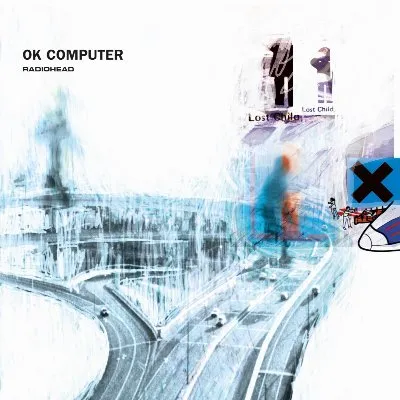
OK Computer
Radiohead
Explores themes of existentialism and technology with an experimental rock approach, similar to Primal Scream's evolution.
Reference: Wikipedia · MusicBrainz · Wikidata
Sync your library
Everything you track here works immediately — no account needed. Create one when you want to sync across devices.