


Vulture Street
Powderfinger · 2003
92 min · 16 tracks · alternative rock
A vibrant blend of melodic rock infused with introspective lyrics and anthemic choruses, capturing the essence of early 2000s Australian music.
Top tracks — play these first
-
→
Love Your Way — This track showcases the band's signature sound with heartfelt lyrics about longing and connection, complemented by soaring melodies that resonate deeply.
-
→
(Baby I've Got You) On My Mind — Its catchy chorus and upbeat instrumentation make it an infectious anthem about love and desire, perfectly highlighting the band's knack for accessible rock.
-
→
How Far Have We Really Come? — With reflective lyrics that question societal progress, this track provides a poignant commentary amidst its engaging musical backdrop, showcasing the band's lyrical depth.
-
→
Rockin' Rocks — The energetic opening track sets the tone for the album with its driving rhythms and playful lyrics, introducing listeners to Powderfinger's dynamic style.
Elevation
Our rating, out of 100 — and why.
AI-generated from five scored dimensions. An opinion, not a measurement.
The album blends melodic rock with introspective lyrics, showcasing strong craftsmanship and a solid identity within its genre.
What we noticed
- The first half of the album maintains a consistent mid-tempo pace, while the second half introduces slower ballads that create a reflective atmosphere.
- Several tracks feature layered guitar harmonies and anthemic choruses, particularly in 'Rockin' Rocks' and 'Love Your Way'.
- The lyrics often explore themes of introspection and personal growth, with a conversational tone that invites listener engagement.
- Composition 25% of the score
-
7/10
- Craft 20% of the score
-
8/10
- Durability 25% of the score
-
6/10
- Distinctiveness 18% of the score
-
7/10
- Sequencing 12% of the score
-
6/10
the writing — melody, harmony, structure, lyrics
production, performance, arrangement
whether it rewards returning to it
whether it sounds like itself
running order, pacing, length
Significant within its genre. Reported but not counted — how far a record travelled describes its reception rather than the record, and a newer release has had less time to travel than an older one.
Is this for you?
Good fit if you like
- long, immersive listening sessions
- dynamic emotional journeys
- contemplative afternoon vibes
- steady, consistent energy levels
Where this album fits
- In the catalog
- Breakthrough — Established wider recognition with commercial success and critical acclaim.
- Career context
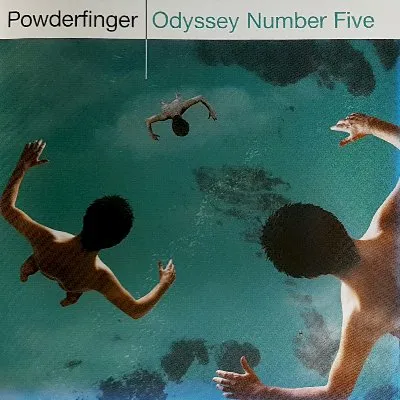
- Released on July 4, 2003, Vulture Street was Powderfinger's fifth studio album, following their critically acclaimed record, Odyssey Number Five. By this point, the band had solidified their position as a leading force in Australian rock, building on the commercial success and artistic growth achieved in their previous works.
- Stylistic neighbors
- Silverchair· Grinspoon· The Living End
Moments worth listening for
Where the writing does something specific.
-
How Far Have We Really Come?
The narrative shifts from personal introspection to broader societal reflections, questioning the journey of progress over time.
This transition deepens the thematic complexity of the song, as it elevates personal experiences into a collective consciousness that provokes thought.
Tracklist
Best experienced from track one — press play and let it unfold.
Disc 1
- 1 Rockin' Rocks 3:04
- 2 (Baby I've Got You) On My Mind 3:20
- 3 Since You've Been Gone 4:13
- 4 Love Your Way 4:31
- 5 Sunsets 3:52
- 6 Don't Panic 3:09
- 7 Stumblin' 3:46
- 8 Roll Right by You 4:16
- 9 How Far Have We Really Come? 4:00
- 10 Pockets 5:46
- 11 A Song Called Everything 4:24
Disc 2
- 1 Menu / These Days (keyboard) 9:37
- 2 Vulture Street Blues (documentary) 29:55
- 3 On My Mind (music video) 3:40
- 4 Sunsets (acoustic video) 3:57
- 5 Table Tennis / Pockets (hidden extra) 1:15
Reference: Wikipedia · MusicBrainz · Wikidata
Sync your library
Everything you track here works immediately — no account needed. Create one when you want to sync across devices.