


Walk Right Back
The Everly Brothers · 1961
69 min · 20 tracks · country music
Harmonized melodies blend seamlessly with rockabilly rhythms and country influences, creating a timeless sound that defined pop in the early '60s.
Top tracks — play these first
-
→
The Price of Love Start here — establishes the sonic palette early
-
→
Cathy’s Clown — This track became one of their biggest hits, showcasing their trademark harmonies while addressing themes of heartache and longing with an infectious melody.
-
→
Wake Up Little Susie — With its playful narrative about youthful love and mischief, this song encapsulates the duo's ability to mix humor with relatable storytelling.
-
→
All I Have to Do Is Dream — This ballad highlights their exquisite harmonies and emotional delivery, becoming a classic that has influenced countless artists across genres.
Elevation
Our rating, out of 100 — and why.
AI-generated from five scored dimensions. An opinion, not a measurement.
Strong vocal harmonies and memorable melodies define this collection, though it lacks full cohesion as a single work.
What we noticed
- The first five tracks are all mid-tempo ballads, creating a consistent emotional tone before shifting to more upbeat tracks.
- The harmonies between the two lead vocals are tightly woven, often featuring call-and-response patterns that enhance the lyrical storytelling.
- Several tracks feature prominent acoustic guitar riffs that serve as hooks, particularly in 'Bye Bye Love' and 'Cathy’s Clown'.
- Composition 25% of the score
-
7/10
- Craft 20% of the score
-
8/10
- Durability 25% of the score
-
6/10
- Distinctiveness 18% of the score
-
7/10
- Sequencing 12% of the score
-
5/10
the writing — melody, harmony, structure, lyrics
production, performance, arrangement
whether it rewards returning to it
whether it sounds like itself
running order, pacing, length
Known within its scene. Reported but not counted — how far a record travelled describes its reception rather than the record, and a newer release has had less time to travel than an older one.
Is this for you?
Good fit if you like
- catchy sing-alongs with friends
- nostalgic melodies for relaxation
- playful rhythms that invite dancing
- early evening social gatherings
Maybe skip if you
- prefer experimental soundscapes
- want intense emotional depth
Where this album fits
- In the catalog
- Breakthrough — This single helped solidify their popularity in the early 60s.
- Themes
- heartbreak ballads· early '60s pop nostalgia
- Career context
- Released in early 1961, Walk Right Back came at a pivotal moment for The Everly Brothers, following their major hits like Bye Bye Love and All I Have to Do Is Dream. This album showcased their signature harmonies and solidified their status as leading figures in the burgeoning rock and roll scene, just before they would begin to face the changing musical landscape of the mid-'60s.
- Stylistic neighbors
- The Louvin Brothers· Simon & Garfunkel· The Byrds
Moments worth listening for
Where the writing does something specific.
-
Cathy’s Clown
The lyrics shift from a reflective tone to a direct plea for understanding as the singer confronts his emotions about love lost.
This movement intensifies the song's emotional arc by bringing the listener closer to the singer's vulnerability in moments of heartbreak.
Tracklist
- 1 The Price of Love Start here 3:22
- 2 All I Have to Do Is Dream 3:17
- 3 Cathy’s Clown 2:33
- 4 Wake Up Little Susie 2:14
- 5 Walk Right Back 3:51
- 6 Bye Bye Love 3:03
- 7 When Will I Be Loved 3:16
- 8 Crying in the Rain 3:40
- 9 Claudette 2:36
- 10 Bird Dog 2:54
- 11 So Sad (to Watch Good Love Go Bad) 3:15
- 12 (’Til) I Kissed You 2:53
- 13 Lucille 4:32
- 14 Good Golly Miss Molly 3:28
- 15 Let It Be Me 4:07
- 16 Gone Gone Gone 2:57
- 17 Be Bop a Lula 3:26
- 18 You Send Me 4:18
- 19 Temptation 3:08
- 20 Medley: (Take a) Message to Mary / Maybe Tomorrow / I Wonder If I Care as Much 6:52
What to play next

Both Sides of an Evening
1961
Continues the harmonized melodies and rockabilly influences with fresh arrangements.

It's Everly Time
1960
Sets the stage with similar themes and energy leading into 'Walk Right Back'.
If this landed
Records by other artists that run on the same instinct.
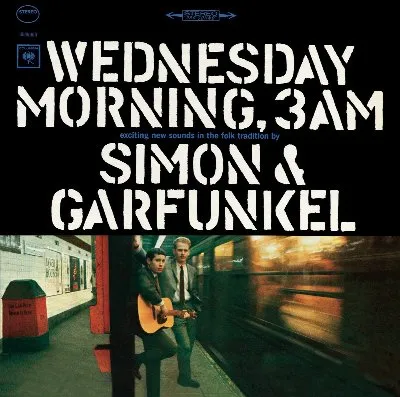
Wednesday Morning, 3 A.M.
Simon & Garfunkel
Features lush harmonies and folk influences that echo the melodic style of early '60s pop.
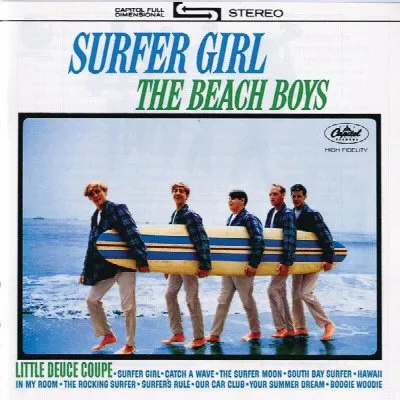
Surfer Girl
The Beach Boys
Blends harmonized vocals with nostalgic themes and a laid-back California vibe reminiscent of rockabilly.

The Kingston Trio
The Kingston Trio
Showcases tight vocal harmonies and storytelling, aligning with the heartfelt ballad style of the Everly Brothers.
Reference: Wikipedia · MusicBrainz · Wikidata
Sync your library
Everything you track here works immediately — no account needed. Create one when you want to sync across devices.