

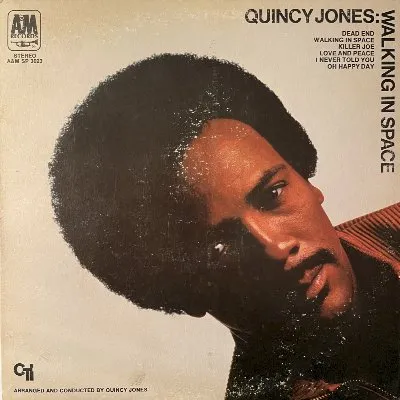
Walking in Space
Quincy Jones · 1969
34 min · 6 tracks · funk
A vibrant fusion of jazz, funk, and soul that dances through intricate arrangements and rich orchestral textures.
Top tracks — play these first
-
→
Dead End Start here — establishes the sonic palette early
-
→
Walking in Space — The title track stands out for its complex structure and rhythmic shifts, showcasing Jones's mastery of orchestration and groove.
-
→
Killer Joe — This track features an infectious melody and tight ensemble playing, representing the album's blend of jazz sophistication with popular appeal.
-
→
Oh, Happy Day — A powerful reinterpretation of the gospel classic that highlights Jones's ability to infuse traditional elements with contemporary styles.
Elevation
Our rating, out of 100 — and why.
AI-generated from five scored dimensions. An opinion, not a measurement.
The album showcases intricate arrangements and a blend of styles, marking a significant moment in Quincy Jones's transition to solo artistry.
What we noticed
- The album opens with a strong brass section in 'Dead End', establishing a vibrant, energetic tone that persists through the first half.
- Each track features complex arrangements with layered instrumentation, often blending orchestral elements with funk rhythms.
- The final track, 'Oh, Happy Day', shifts to a gospel style, creating a distinct contrast with the preceding funk and jazz influences.
- Composition 25% of the score
-
8/10
- Craft 20% of the score
-
8/10
- Durability 25% of the score
-
7/10
- Distinctiveness 18% of the score
-
7/10
- Sequencing 12% of the score
-
6/10
the writing — melody, harmony, structure, lyrics
production, performance, arrangement
whether it rewards returning to it
whether it sounds like itself
running order, pacing, length
Significant within its genre. Reported but not counted — how far a record travelled describes its reception rather than the record, and a newer release has had less time to travel than an older one.
Is this for you?
Good fit if you like
- gradual builds and payoffs
- steady, consistent energy levels
- long, immersive listening sessions
- layered, dense sonic textures
Where this album fits
- In the catalog
- Breakthrough — This album helped establish Jones as a solo artist and bridge genres.
- Themes
- 1960s cultural fusion· gospel reinterpretation· orchestral groove
- Career context
- By 1969, Quincy Jones was transitioning from a successful producer and arranger to a solo artist with this album marking his fifth studio release. Following the critical acclaim of his previous work, 'The Birth of a Band,' this album showcased his ability to blend genres and experiment with form, solidifying his reputation as a visionary in music.
- Stylistic neighbors
- Herbie Hancock· Stevie Wonder· George Benson
Moments worth listening for
Where the writing does something specific.
-
Love and Peace
The chorus shifts from collective harmony to individual reflections on peace in turbulent times.
This transition emphasizes the personal responsibility in seeking harmony, contrasting with broader societal themes.
Tracklist
- 1 Dead End Start here 3:55
- 2 Walking in Space 12:06
- 3 Killer Joe 5:11
- 4 Love and Peace 5:48
- 5 I Never Told You 4:18
- 6 Oh, Happy Day 3:36
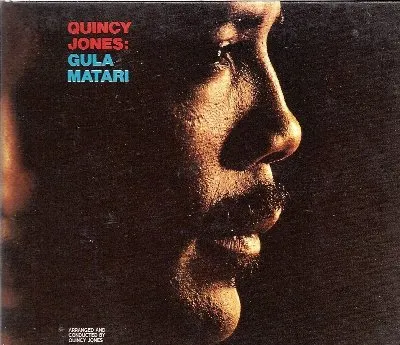

If this landed
Records by other artists that run on the same instinct.
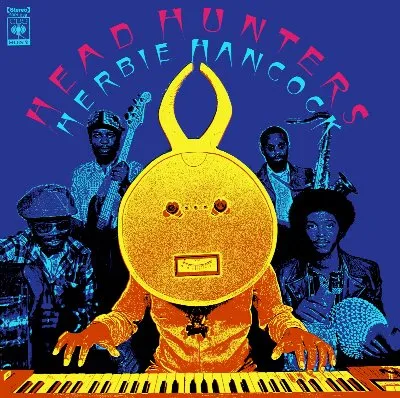
Head Hunters
Herbie Hancock
Shares vibrant funk grooves and intricate arrangements with an orchestral touch.

Beach Samba
Astrud Gilberto
Combines bossa nova with rich vocal harmonies, reflecting the cultural fusion of the era.
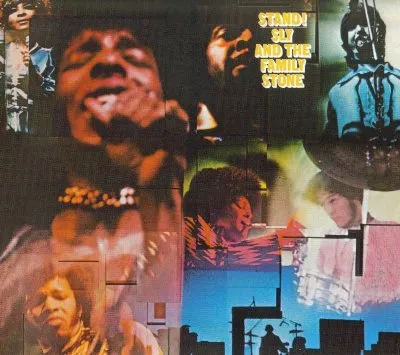
Stand!
Sly and the Family Stone
Features a blend of soul and funk with a strong emphasis on social themes and uplifting grooves.
Reference: Wikipedia · MusicBrainz · Wikidata
Sync your library
Everything you track here works immediately — no account needed. Create one when you want to sync across devices.