

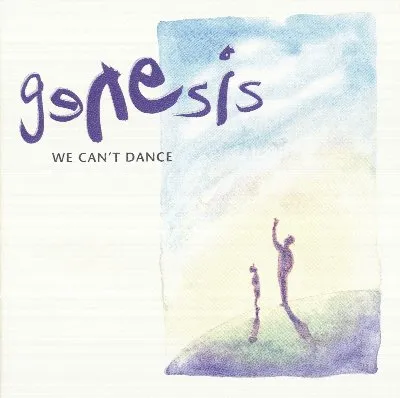
Released 35 years ago this November
We Can't Dance
Genesis · 1991
71 min · 12 tracks · progressive rock
Melodic hooks intertwine with introspective lyrics, blending progressive rock elements with a pop sensibility that defines the band's later era.
Top tracks — play these first
-
→
No Son of Mine Start here — This opening track confronts themes of familial disconnection and regret, setting a somber tone that contrasts with the album's poppy moments.
-
→
I Can’t Dance — With its infectious rhythm and self-deprecating lyrics, this track cleverly critiques social norms while becoming a commercial anthem for the band.
-
→
Driving the Last Spike — A narrative-driven piece reflecting on historical themes and personal loss, showcasing Genesis's ability to weave storytelling into their progressive sound.
-
→
Jesus He Knows Me — This track offers sharp social commentary on television evangelism, blending humor with critique, exemplifying the band's lyrical wit during this period.
Elevation
Our rating, out of 100 — and why.
AI-generated from five scored dimensions. An opinion, not a measurement.
The album blends pop and progressive rock elements but lacks strong cohesion and distinctiveness.
What we noticed
- The first three tracks feature a consistent mid-tempo pace, while the fourth track shifts to a more upbeat rhythm with prominent hooks.
- Several tracks incorporate layered vocal harmonies and intricate instrumental arrangements, particularly in 'Driving the Last Spike' and 'Fading Lights'.
- The album closes with a gradual deceleration in tempo, allowing for a reflective finish that contrasts with the earlier energy.
- Composition 25% of the score
-
7/10
- Craft 20% of the score
-
6/10
- Durability 25% of the score
-
6/10
- Distinctiveness 18% of the score
-
6/10
- Sequencing 12% of the score
-
5/10
the writing — melody, harmony, structure, lyrics
production, performance, arrangement
whether it rewards returning to it
whether it sounds like itself
running order, pacing, length
Known within its scene. Reported but not counted — how far a record travelled describes its reception rather than the record, and a newer release has had less time to travel than an older one.
Is this for you?
Good fit if you like
- long, immersive listening sessions
- dynamic emotional journeys
- contemplative late-night vibes
- layered, dense sonic textures
Where this album fits
- In the catalog
- Late Career Highlight — Final studio album with Collins, showcasing continued commercial success.
- Themes
- familial conflict· televangelist satire· nostalgic storytelling
- Moods
- Introspective· Chill
- Career context
- Released in 1991, We Can't Dance was Genesis's fourteenth studio album and marked a significant moment in the band's career as it was their last before a lengthy hiatus. Following the commercial success of Invisible Touch in 1986, this album continued their trend towards mainstream appeal, showcasing a more accessible sound while still incorporating complex arrangements.
- Stylistic neighbors
- Yes· Emerson, Lake & Palmer· King Crimson
Tracklist
- 1 No Son of Mine Start here 6:42
- 2 Jesus He Knows Me 4:18
- 3 Driving the Last Spike 10:10
- 4 I Can’t Dance 4:02
- 5 Never a Time 3:52
- 6 Dreaming While You Sleep 7:17
- 7 Tell Me Why 5:00
- 8 Living Forever 5:42
- 9 Hold On My Heart 4:39
- 10 Way of the World 5:40
- 11 Since I Lost You 4:11
- 12 Fading Lights 10:15
What to play next
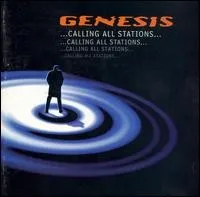
Calling All Stations
1997
Continues the polished sound with a fresh approach and new themes.
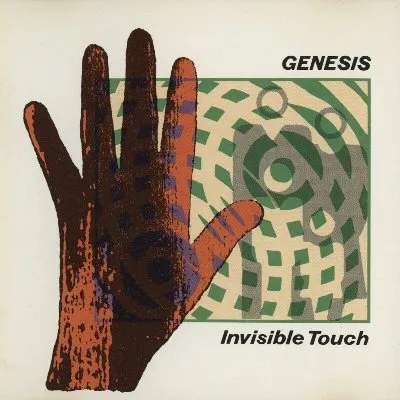
Invisible Touch
1986
Sets the stage with similar pop sensibilities and energy.
If this landed
Records by other artists that run on the same instinct.
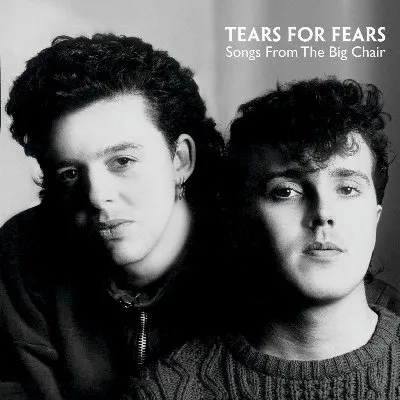
Songs from the Big Chair
Tears for Fears
Shares polished production and introspective lyrics with a blend of pop hooks and progressive elements.

Breakfast in America
Supertramp
Combines catchy melodies and thoughtful narratives, reflecting on societal themes with rich instrumentation.

90125
Yes
Merges accessible pop-rock sensibilities with intricate arrangements, echoing themes of introspection and conflict.
Reference: Wikipedia · MusicBrainz · Wikidata
Sync your library
Everything you track here works immediately — no account needed. Create one when you want to sync across devices.