

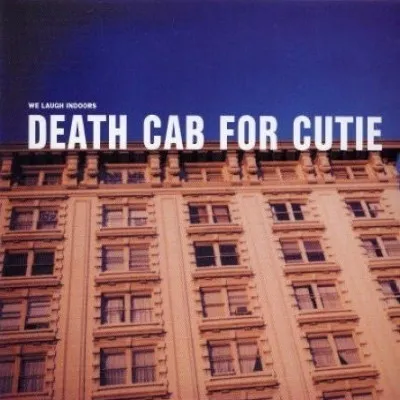
Released 24 years ago this October
We Laugh Indoors
Death Cab for Cutie · 2002
11 min · 3 tracks · indie rock
Melodic indie rock intertwines introspective lyrics with atmospheric instrumentation, capturing the essence of early 2000s emo.
Top tracks — play these first
-
→
We Laugh Indoors (new mix) — This track exemplifies the band's signature blend of melancholy melodies and thoughtful lyrics, setting the tone for the entire album.
-
→
For What Reason (alternate mix) — The alternate mix offers a fresh perspective on a fan-favorite, highlighting subtle changes that enhance its emotional depth.
-
→
I Was a Kaleidoscope (live) — The live rendition captures the raw energy and intimacy of Death Cab's performances, reflecting their connection with audiences during this era.
Where this album fits
- In the catalog
- Deep Cut — A single with notable critical reception, but not a primary entry point or breakthrough.
- Themes
- nostalgic reflections· indoor intimacy
- Career context
- By the time 'We Laugh Indoors' was released in October 2002, Death Cab for Cutie had established themselves as a vital force in the indie music scene following their breakthrough album 'Transatlanticism.' This release served as a transitional phase, featuring alternate and live versions of tracks and showcasing the band’s evolving sound after gaining wider recognition.
- Stylistic neighbors
- The Postal Service· Bright Eyes· Ben Gibbard
Moments worth listening for
Where the writing does something specific.
-
We Laugh Indoors (new mix)
The narrative shifts from personal reflection to a broader commentary on shared experiences among friends.
This transition broadens the emotional scope of the song, inviting listeners to connect their own stories to the collective experience.
Tracklist
Best experienced from track one — press play and let it unfold.
- 1 We Laugh Indoors (new mix) 4:59
- 2 For What Reason (alternate mix) 3:42
- 3 I Was a Kaleidoscope (live) 2:53
What to play next
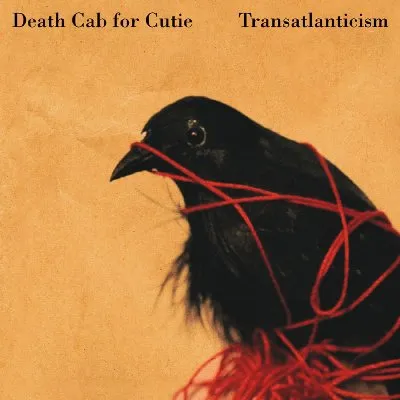
Transatlanticism
2003
Continues the introspective themes with richer instrumentation and emotional depth.
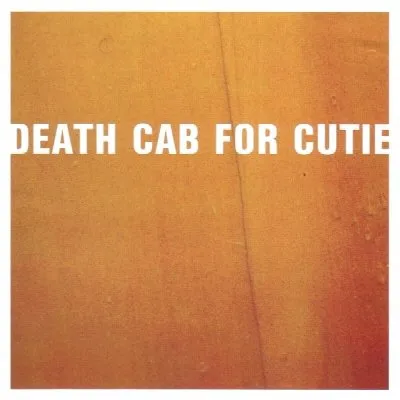
The Photo Album
2001
Precedes with a similar melodic indie rock sound and lyrical introspection.
If this landed
Records by other artists that run on the same instinct.
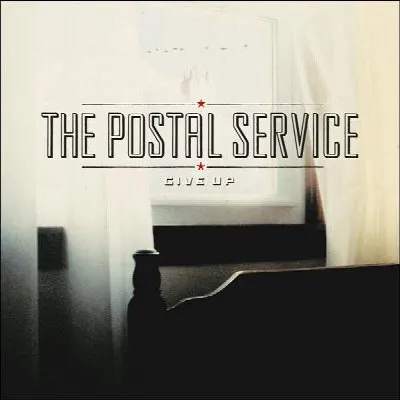
Give Up
The Postal Service
Shares a similar blend of electronic elements and introspective lyrics with a nostalgic feel.
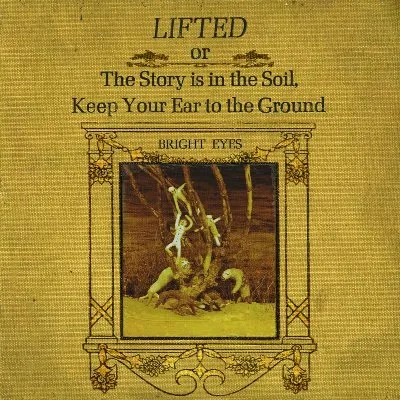
Lifted or The Story is in the Soil, Keep Your Ear to the Ground
Bright Eyes
Features contemplative songwriting and emotional depth, akin to the reflective atmosphere of Death Cab.
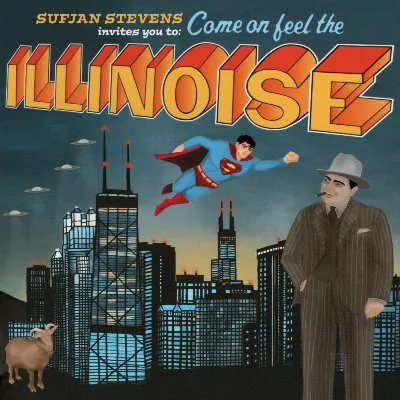
Illinois
Sufjan Stevens
Combines intricate melodies and personal storytelling, evoking a wistful nostalgia present in Death Cab's work.
Reference: Wikipedia · MusicBrainz · Wikidata
Sync your library
Everything you track here works immediately — no account needed. Create one when you want to sync across devices.