

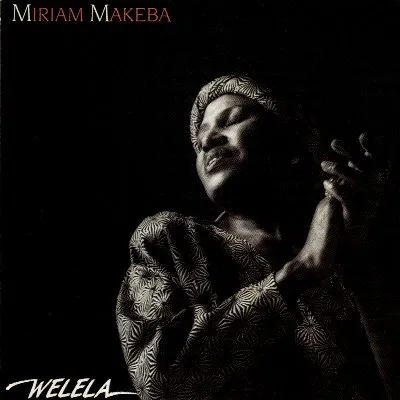
Welela
Miriam Makeba · 1990
45 min · 10 tracks · jazz
Makeba’s warm, agile voice carries township-rooted melodies across supple dance rhythms and songs of political resistance.
Top tracks — play these first
-
→
Amampondo Start here — establishes the sonic palette early
-
→
Soweto Blues — Makeba’s account of the Soweto uprising places the album’s political commitments in sharp focus, pairing a moving vocal with a song written by Hugh Masekela.
-
→
Pata Pata — This return to Makeba’s international hit brings the dance-floor side of her repertoire into the same setting as the album’s protest songs.
-
→
A Luta Continua — A song associated with southern African liberation movements gives the album a collective political voice beyond South Africa’s borders.
-
→
Welela — The title track centers Makeba’s expressive phrasing, making her voice the point of connection between the record’s dance rhythms and its more reflective passages.
Elevation
Our rating, out of 100 — and why.
AI-generated from five scored dimensions. An opinion, not a measurement.
Welela combines African rhythms with jazz, showcasing cultural depth and strong craftsmanship.
What we noticed
- The album features a strong rhythmic foundation with traditional African percussion driving most tracks, creating an infectious groove.
- Several tracks incorporate call-and-response vocal patterns, emphasizing cultural storytelling and community engagement.
- Composition 25% of the score
-
7/10
- Craft 20% of the score
-
8/10
- Durability 25% of the score
-
6/10
- Distinctiveness 18% of the score
-
8/10
- Sequencing 12% of the score
-
7/10
the writing — melody, harmony, structure, lyrics
production, performance, arrangement
whether it rewards returning to it
whether it sounds like itself
running order, pacing, length
Significant within its genre. Reported but not counted — how far a record travelled describes its reception rather than the record, and a newer release has had less time to travel than an older one.
Is this for you?
Good fit if you like
- steady mid-tempo rhythmic flow
- celebratory cultural heritage vibes
- uplifting melodies for gatherings
- for afternoon relaxation
- invigorating energy for social events
Maybe skip if you
- seeking fast-paced excitement
- prefer standalone singles only
Where this album fits
- In the catalog
- Breakthrough — Reintroduced Makeba's voice globally post-exile, coinciding with political change in South Africa.
- Themes
- apartheid-era resistance· South African homecoming· Soweto street memory
- Career context
- Welela arrived around the end of Makeba’s three decades in exile from South Africa, after a career that had made her an international ambassador for African music and an outspoken opponent of apartheid. In 1990, following Nelson Mandela’s release from prison, she returned to South Africa. The album revisits songs associated with earlier chapters of her career, including “Pata Pata” and “Soweto Blues.”
- Stylistic neighbors
- Hugh Masekela· Angelique Kidjo· Oumou Sangaré
Tracklist
- 1 Amampondo Start here 4:20
- 2 African Sunset 5:49
- 3 Djiu De Galinha 4:08
- 4 A Luta Continua 4:50
- 5 Soweto Blues 4:18
- 6 Welela 4:18
- 7 Apozamami 4:29
- 8 Pata Pata 3:53
- 9 Saduva 4:43
- 10 Africa 4:33
What to play next
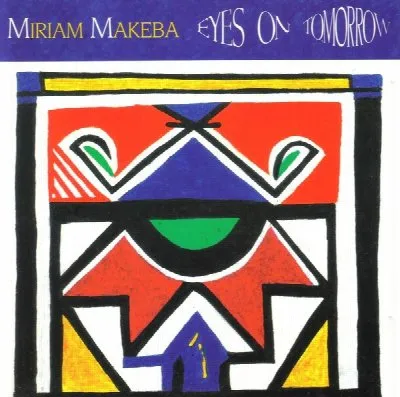
Eyes on Tomorrow
1991
Continues the blend of cultural themes and jazz influences with fresh energy.
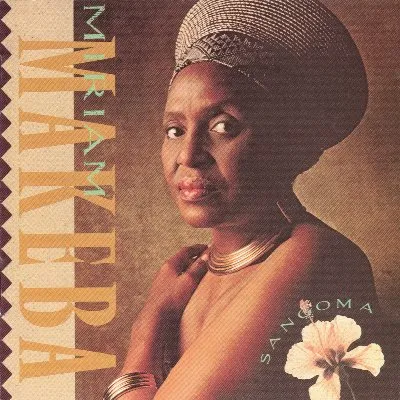
Sangoma
1988
Sets the stage with rich African rhythms that lead into the vibrant sound of Welela.
Reference: Wikipedia · MusicBrainz · Wikidata
Sync your library
Everything you track here works immediately — no account needed. Create one when you want to sync across devices.