

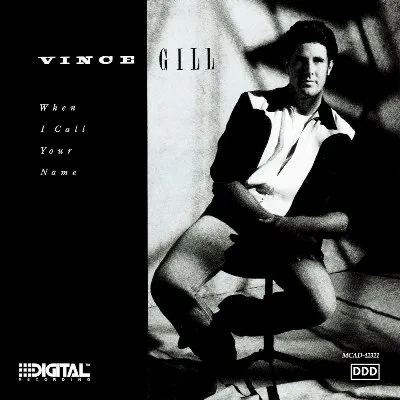
Released 37 years ago this November
When I Call Your Name
Vince Gill · 1989
36 min · 10 tracks · country music
Fiddle and steel guitar frame close-harmony heartbreak, while western swing gives the record room to kick up its heels.
Top tracks — play these first
-
→
Never Alone Start here — establishes the sonic palette early
-
→
When I Call Your Name — Gill’s restrained account of abandonment opens into a chorus sharpened by Patty Loveless’s harmony, with steel guitar deepening the sense of absence.
-
→
Oklahoma Swing — A duet with Reba McEntire brings a playful western-swing bounce to an album otherwise anchored by romantic ballads.
-
→
Never Knew Lonely — The unhurried ballad gives Gill space to stretch phrases around the melody, turning loneliness into something felt in the pauses as well as the words.
-
→
Rita Ballou — Gill’s version of Guy Clark’s character song closes the album with a lively narrative and a change of pace from its quieter heartbreak.
Elevation
Our rating, out of 100 — and why.
AI-generated from five scored dimensions. An opinion, not a measurement.
The album showcases strong songwriting and cohesive production, marking a solid step in Gill's career.
What we noticed
- The album features a consistent use of smooth vocal harmonies, particularly in the choruses, which enhance the emotional weight of the lyrics.
- Several tracks incorporate traditional country instrumentation, such as steel guitar and fiddle, grounding the sound in the genre.
- The title track is positioned as the fifth song, allowing for a build-up of narrative and musical themes before its introduction.
- Composition 25% of the score
-
7/10
- Craft 20% of the score
-
6/10
- Durability 25% of the score
-
6/10
- Distinctiveness 18% of the score
-
6/10
- Sequencing 12% of the score
-
7/10
the writing — melody, harmony, structure, lyrics
production, performance, arrangement
whether it rewards returning to it
whether it sounds like itself
running order, pacing, length
Known within its scene. Reported but not counted — how far a record travelled describes its reception rather than the record, and a newer release has had less time to travel than an older one.
Is this for you?
Good fit if you like
- steady mid-tempo emotional storytelling
- heartfelt melodies for reflective moments
- for evening relaxation
- warm background for gatherings
Maybe skip if you
- seeking fast-paced excitement
- prefer standalone hit singles
Where this album fits
- In the catalog
- Breakthrough — This album solidified Vince Gill's reputation in country music with hit tracks.
- Themes
- heartfelt storytelling· Oklahoma roots· country music transition
- Career context
- Released in 1989, When I Call Your Name was Vince Gill’s third solo studio album and his first for MCA Records. After working in bluegrass and country rock, including a stint with Pure Prairie League, Gill found a larger country audience with its title track.
- Stylistic neighbors
- Steve Wariner· Ricky Skaggs· Keith Urban
Moments worth listening for
Where the writing does something specific.
-
When I Call Your Name
The opening moves from arriving home to finding a goodbye note, then returns to the unanswered act of calling for the person who has left.
That sequence lets an ordinary domestic detail establish the loss before the recurring call gives the chorus its dramatic shape.
Tracklist
- 1 Never Alone Start here 3:37
- 2 Sight for Sore Eyes 3:09
- 3 Oh Girl (You Know Where to Find Me) 3:43
- 4 Oklahoma Swing 3:08
- 5 When I Call Your Name 4:15
- 6 Ridin’ the Rodeo 2:55
- 7 Never Knew Lonely 4:02
- 8 We Won’t Dance 4:37
- 9 We Could Have Been 3:30
- 10 Rita Ballou 3:14
What to play next
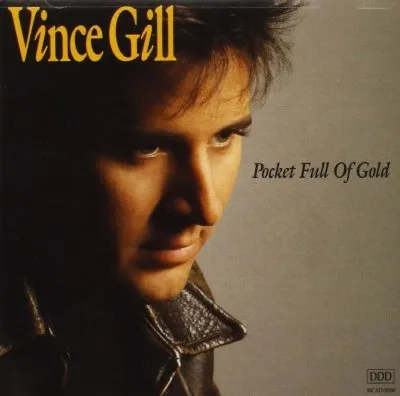
Pocket Full of Gold
1991
Continues the heartfelt storytelling with a blend of country and soul elements.
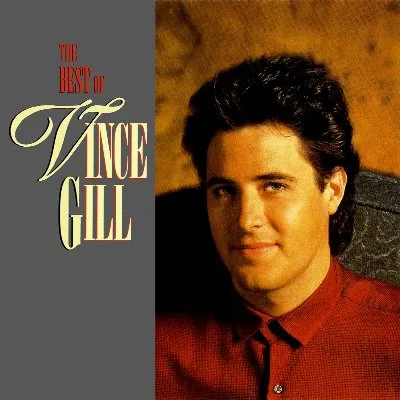
The Best of Vince Gill
1989
Offers a solid foundation of his earlier work, leading into his breakthrough sound.
If this landed
Records by other artists that run on the same instinct.

Here in the Real World
Alan Jackson
Shares heartfelt storytelling and a blend of traditional country with emotional depth.
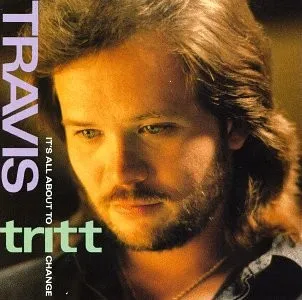
It's All About to Change
Travis Tritt
Combines Southern rock influences with rich narratives and soulful melodies.
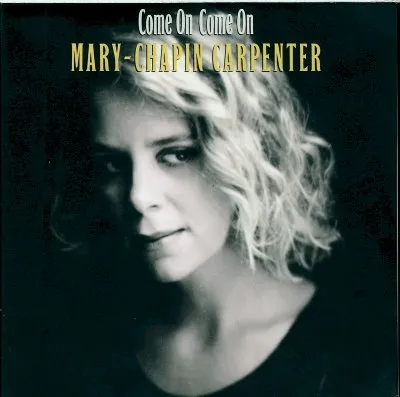
Come On Come On
Mary Chapin Carpenter
Features introspective songwriting and a blend of folk and country, similar emotional resonance.
Reference: Wikipedia · MusicBrainz · Wikidata
Sync your library
Everything you track here works immediately — no account needed. Create one when you want to sync across devices.