


Released 62 years ago this November
Who Can I Turn To
Tony Bennett · 1964
37 min · 12 tracks · jazz
A lush blend of jazz and soul, anchored by Bennett's smooth vocals and poignant interpretations of classic standards.
Top tracks — play these first
-
→
Who Can I Turn To (When Nobody Needs Me) Start here — As the title track, it encapsulates the album's theme of vulnerability and longing, with Bennett's delivery highlighting the emotional weight of the lyrics.
-
→
Autumn Leaves — This classic showcases Bennett's ability to convey deep emotion through subtle phrasing and dynamics, making it one of the standout performances on the album.
-
→
Waltz for Debby — Bennett's interpretation brings a gentle warmth to this beloved standard, allowing listeners to fully appreciate the song's reflective nature and lyrical beauty.
Elevation
Our rating, out of 100 — and why.
AI-generated from five scored dimensions. An opinion, not a measurement.
Bennett's smooth vocals and lush arrangements create a compelling jazz experience, though it remains within familiar territory.
What we noticed
- The album features lush orchestral arrangements that complement Bennett's vocal delivery, creating a rich soundscape.
- Composition 25% of the score
-
7/10
- Craft 20% of the score
-
8/10
- Durability 25% of the score
-
6/10
- Distinctiveness 18% of the score
-
6/10
- Sequencing 12% of the score
-
7/10
the writing — melody, harmony, structure, lyrics
production, performance, arrangement
whether it rewards returning to it
whether it sounds like itself
running order, pacing, length
Known within its scene. Reported but not counted — how far a record travelled describes its reception rather than the record, and a newer release has had less time to travel than an older one.
Is this for you?
Good fit if you like
- intimate reflective moments
- short, immersive listening sessions
- gentle emotional exploration
- melodic storytelling journeys
Where this album fits
- In the catalog
- Breakthrough — This album marks a transition to a more jazz-oriented style, enhancing Bennett's reputation.
- Themes
- autumnal nostalgia· orchestral longing
- Career context
- Released in late 1964, 'Who Can I Turn To' came at a time when Tony Bennett was transitioning from his earlier pop success to a more jazz-oriented style. This album followed his notable collaboration with the legendary arranger and conductor, Bill Evans, marking a significant shift in Bennett's artistic focus as he embraced more introspective, emotionally rich material.
- Stylistic neighbors
- Frank Sinatra· Nat King Cole· Ella Fitzgerald
Tracklist
- 1 Who Can I Turn To (When Nobody Needs Me) Start here 2:58
- 2 Wrap Your Troubles in Dreams (and Dream Your Troubles Away) 3:17
- 3 There’s a Lull in My Life 3:10
- 4 Autumn Leaves 2:01
- 5 I Walk a Little Faster 4:27
- 6 The Brightest Smile in Town 2:58
- 7 I’ve Never Seen 3:12
- 8 Between the Devil and the Deep Blue Sea 3:20
- 9 Listen, Little Girl 2:24
- 10 Got the Gate on the Golden Gate 3:10
- 11 Waltz for Debby 3:40
- 12 The Best Thing to Be Is a Person 3:04
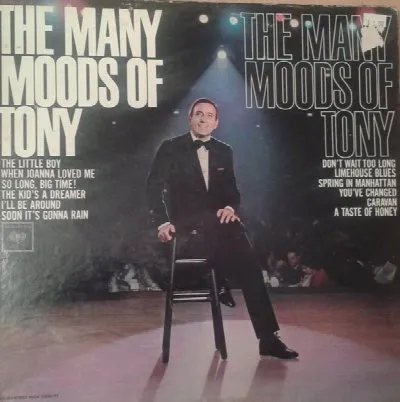
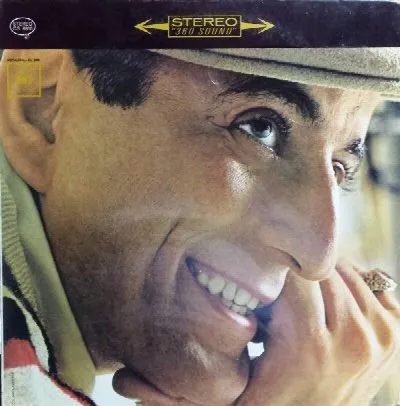
If this landed
Records by other artists that run on the same instinct.
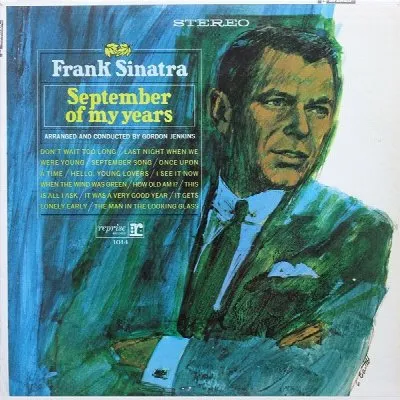
September of My Years
Frank Sinatra
Shares the same autumnal nostalgia and orchestral arrangements, reflecting on life's passage.
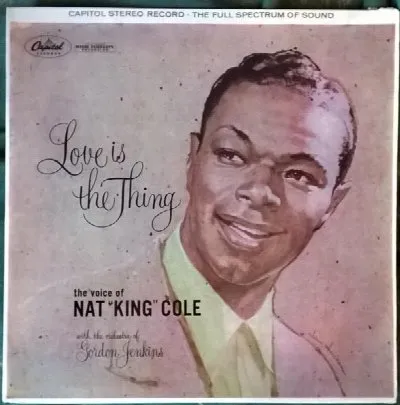
Love Is the Thing
Nat King Cole
Features lush orchestration and intimate vocals, evoking deep emotional resonance similar to Bennett's work.
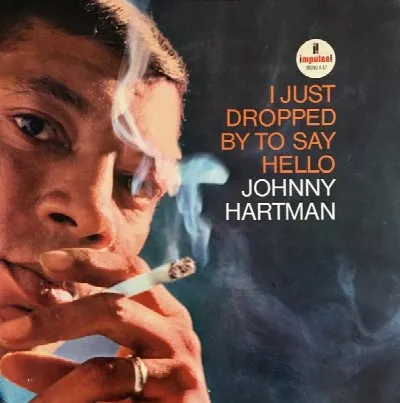
I Just Dropped by to Say Hello
Johnny Hartman
Combines rich vocal delivery with orchestral backing, creating a reflective atmosphere akin to Bennett's style.
Reference: Wikipedia · MusicBrainz · Wikidata
Sync your library
Everything you track here works immediately — no account needed. Create one when you want to sync across devices.