

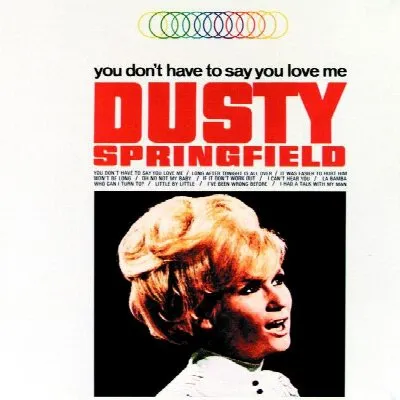
Released 60 years ago
You Don't Have to Say You Love Me
Dusty Springfield · 1966
41 min · 15 tracks · pop music
Dusty Springfield's voice weaves through lush orchestration, blending heartfelt emotion with the vibrant energy of 1960s pop and soul.
Top tracks — play these first
-
→
You Don’t Have to Say You Love Me — This track exemplifies Springfield's emotive vocal style and became a defining moment of her career, marrying vulnerability with an unforgettable melody.
-
→
Oh No! Not My Baby — With its upbeat arrangement and poignant lyrics, this song captures Springfield’s ability to blend sorrow with an infectious rhythm, showcasing her versatility.
-
→
I’ve Been Wrong Before — This track highlights Springfield's adeptness at conveying complex emotions through nuanced delivery, making it resonate deeply with listeners experiencing heartbreak.
Elevation
Our rating, out of 100 — and why.
AI-generated from five scored dimensions. An opinion, not a measurement.
The album features strong vocal performances and orchestration, but its cohesion is affected by varied tempos and styles.
What we noticed
- Several tracks feature lush orchestration with strings and horns, creating a rich backdrop for Springfield's vocals.
- Composition 25% of the score
-
7/10
- Craft 20% of the score
-
8/10
- Durability 25% of the score
-
6/10
- Distinctiveness 18% of the score
-
7/10
- Sequencing 12% of the score
-
6/10
the writing — melody, harmony, structure, lyrics
production, performance, arrangement
whether it rewards returning to it
whether it sounds like itself
running order, pacing, length
Significant within its genre. Reported but not counted — how far a record travelled describes its reception rather than the record, and a newer release has had less time to travel than an older one.
Is this for you?
Good fit if you like
- short, emotional listening moments
- reflective late-night vibes
- soothing background ambiance
- dynamic vocal performances
- nostalgic melodic journeys
Where this album fits
- In the catalog
- Deep Cut — A mid-1960s pop-soul album that consolidates her established sound around a major signature single.
- Career context
- Released in July 1966, 'You Don't Have to Say You Love Me' was Dusty Springfield's third studio album, following her breakthrough hit 'I Only Want to Be with You' from 1964. By this time, she had established herself as a leading figure in the blue-eyed soul genre, bringing British pop influences to the forefront of American R&B markets.
- Stylistic neighbors
- Aretha Franklin· Etta James· Roberta Flack
Moments worth listening for
Where the writing does something specific.
-
You Don’t Have to Say You Love Me
The refrain shifts into a plea that captures the desperation of unrequited love in a way that feels both personal and universal.
This moment stands out as it encapsulates the emotional core of the song, shifting from declaration to vulnerability as it reveals deep yearning.
Tracklist
Best experienced from track one — press play and let it unfold.
- 1 You Don’t Have to Say You Love Me 2:50
- 2 Won’t Be Long 3:23
- 3 Oh No! Not My Baby 2:52
- 4 Long After Tonight Is All Over 2:39
- 5 La Bamba 2:37
- 6 Who Can I Turn To (When Nobody Needs Me) 3:26
- 7 Little by Little 2:36
- 8 If It Don’t Work Out 2:47
- 9 It Was Easier to Hurt Him 2:48
- 10 I’ve Been Wrong Before 2:25
- 11 I Can’t Hear You 2:29
- 12 I Had a Talk With My Man 2:56
- 13 Doodlin’ 2:49
- 14 That’s How Heartaches Are Made 2:51
- 15 Packin’ Up 2:03
What to play next
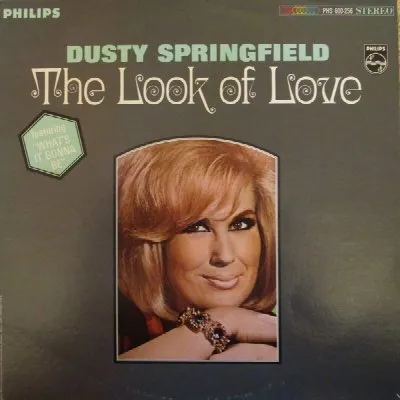
The Look of Love
1967
It extends the lush orchestration and emotional pop while bringing in a more sophisticated, cinematic mood.
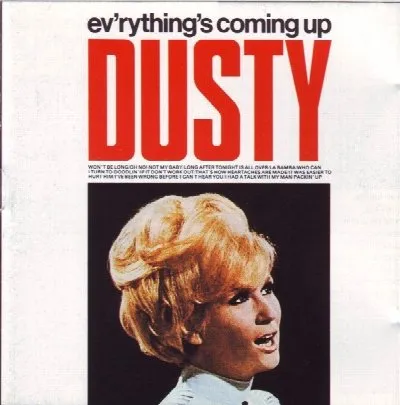
Ev'rything's Coming Up Dusty
1965
Its warm 1960s pop and soul provide a natural lead-in to the orchestral intensity here.
Reference: Wikipedia · MusicBrainz · Wikidata
Sync your library
Everything you track here works immediately — no account needed. Create one when you want to sync across devices.