

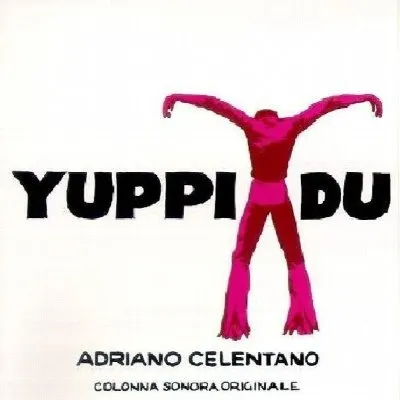
Yuppi du
Adriano Celentano · 1975
39 min · 13 tracks · pop music
A playful blend of pop and rock infused with theatrical charm, echoing the vibrant Italian music scene of the mid-70s.
Top tracks — play these first
-
→
Yuppi du — The title track encapsulates the album's upbeat, whimsical spirit, showcasing Celentano's playful vocal delivery against a backdrop of catchy melodies.
-
→
La ballata — This song features poignant storytelling combined with a simple yet effective arrangement that highlights Celentano's ability to evoke emotion through music.
-
→
Such a Cold Night To-Night — This track stands out with its melancholic lyrics and atmospheric arrangement, revealing a deeper emotional layer that contrasts with the album's overall lightness.
Is this for you?
Good fit if you like
- whimsical charm with playful energy
- dynamic exploration of emotions
- short tracks for quick enjoyment
- varied pacing keeps engagement high
Maybe skip if you
- prefer straightforward, predictable albums
- seek long, uninterrupted listening
Where this album fits
- In the catalog
- Experimental — Marks a deliberate shift in sound, moving into a more eclectic and theatrical style.
- Career context
- Upon its release in 1975, 'Yuppi du' marked Adriano Celentano's transition into a more experimental phase, following his successful albums 'Il ragazzo della via Gluck' and 'Un uomo un'ora'. This album showcased his willingness to blend various genres while maintaining his unique style, cementing his status as a cultural icon in Italy.
Tracklist
Best experienced from track one — press play and let it unfold.
- 1 L'affondamento 3:45
- 2 La messa 3:47
- 3 A chi stai pensando? 0:20
- 4 Va chi c'è 0:44
- 5 La ballata 2:07
- 6 La passarella 7:04
- 7 Such a Cold Night To-Night 4:03
- 8 La violenza 1:53
- 9 Do dap 2:56
- 10 Yuppi du 4:25
- 11 Il castagnaro 2:17
- 12 Il finale 2:38
- 13 Yuppi du 3:32
What to play next
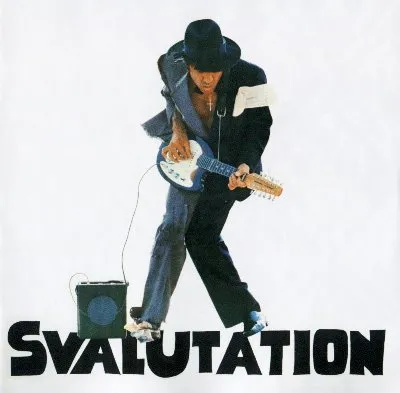
Svalutation
1976
Continues the playful energy with a blend of pop and rock elements.
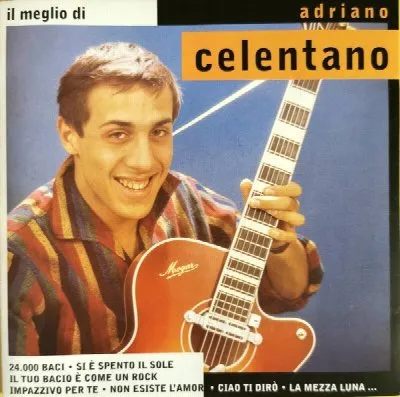
Il meglio di Adriano Celentano
1975
Sets the stage for Yuppi du's theatrical charm and vibrant sound.
Reference: Wikipedia · MusicBrainz · Wikidata
Sync your library
Everything you track here works immediately — no account needed. Create one when you want to sync across devices.