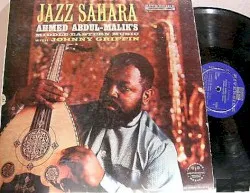
Ahmed Abdul-Malik reshaped the sonic landscape by seamlessly weaving Middle Eastern musical traditions into the fabric of jazz.
His work not only expanded the boundaries of jazz but also served as a cultural bridge during a time when such intersections were rare in popular music, inviting listeners to engage with a broader understanding of rhythm and melody.
Abdul-Malik's...
His work not only expanded the boundaries of jazz but also served as a cultural bridge during a time when such intersections were rare in popular music, inviting listeners to engage with a broader understanding of rhythm and melody.
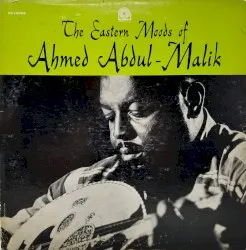
Abdul-Malik's approach involved the innovative use of traditional instruments such as the oud, which he masterfully incorporated into jazz ensembles, creating a dialogue between distinct musical worlds. This process redefined what jazz could encompass, urging musicians and audiences alike to reconsider the genre's potential for expression and storytelling. His performances often felt like a communal experience, where improvisation was not just personal exploration, but a collective journey through sound.
Lyrically, Abdul-Malik tended to explore themes of cultural identity and spiritual introspection, often employing an earnest tone that encouraged reflection rather than mere entertainment. His storytelling approach was impressionistic, crafting vivid imagery that complemented the intricate musical arrangements surrounding them. The blend of sincerity in his voice with rich narrative layers invited listeners to step into a reflective space.
6 studio albums·6 years·United States
Full discography
Ahmed Abdul-Malik's albums in order, from earliest releases to latest.