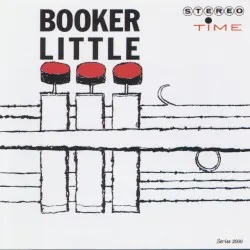
Booker Little's contributions to jazz resonate deeply, altering the landscape of modern improvisation and expression.
His innovative approach to trumpet playing and composition challenged conventions, providing a fresh perspective that opened pathways for future artists to explore emotional depth and technical mastery in their work.
His innovative approach to trumpet playing and composition challenged conventions, providing a fresh perspective that opened pathways for future artists to explore emotional depth and technical mastery in their work. Little's music speaks to an era of transformation, reflecting the struggles and triumphs of the African American experience while pushing the genre itself in bold new directions.
His process was characterized by a fierce commitment to individual voice within a collaborative framework, often seeking to balance complexity with accessibility. Little’s ability to merge intricate harmonies with a rhythmic fluidity allowed his performances to feel both intimate and expansive, inviting listeners into a space where vulnerability met virtuosity. This duality fostered a unique sonic environment that encouraged dialogue among musicians, igniting a collective exploration of sound.
Common themes in Little's songwriting include introspection, cultural identity, and resilience, conveyed through an impressionistic lens. His voice blends sincerity with an underlying tension that compels listeners to engage deeply with each note. The storytelling often weaves personal narratives into broader social commentaries, creating a rich tapestry of experiences that resonate on multiple levels.
4 studio albums·3 years·United States
Full discography
Booker Little's albums in order, from earliest releases to latest.