


Graham Collier
With a focus on dense harmonic textures and shifting rhythms, Collier's compositions create an immersive experience that demands active listening.
Start here
Begin with Graham Collier…
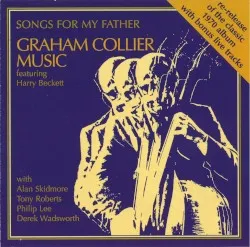
Songs for My Father
1970
About Graham Collier
Graham Collier's significance lies in his commitment to expanding the expressive potential of jazz, pushing the genre into new territories while maintaining its core improvisational spirit.
18 studio albums· 4 decades· United Kingdom
Full discography
Graham Collier's albums in order, from earliest releases to latest.
Studio albums ()
Hoarded Dreams
2007
Winter Oranges
2002
Bread and Circuses
2002
The Third Colour
1999
Charles River Fragments
1996
Adam's Marble
1995
The Day of the Dead
1978
New Conditions
1976
Midnight Blue
1975
Portraits
1972
Mosaics
1971
Songs for My Father
1970
Symphony of Scorpions
Something British Made in Hong Kong
Darius
Down Another Road at Stockholm Jazz Days ’69
Down Another Road
1969
Deep Dark Blue Centre
1967
No releases match the current filters.
Reference
Sync your library
Everything you track here works immediately — no account needed. Create one when you want to sync across devices.