


Photo: RL GNZLZ from Chile · CC BY-SA 2.0
Start here
The song
“Blue Monday”
An iconic track that showcases their electronic sound with a strong hook, making it an engaging introduction to their style.
Songs to start with
If you'd rather pick a song than an album.
-
1
"Ceremony" — from Substance 1987 (1987)
establishes the sonic palette early
-
2
"Elegia" — from Live at Bestival 2012 (2013)
establishes the sonic palette early
-
3
"Crystal" — from Live at the London Troxy (2011)
accessible entry with immediate hook
-
4
"Truth" — from The Peel Sessions (1987)
establishes the sonic palette early
-
5
"True Faith (BBC John Peel Session 24-11-1998)" — from In Session (2004)
establishes the sonic palette early
-
6
"Restless (extended mix)" — from Complete Music (2016)
accessible entry with immediate hook
About New Order
New Order reshaped the landscape of music in the 1980s by merging post-punk sensibilities with electronic dance elements, forging a sound that became foundational for both indie and club scenes.
13 studio albums· 74 total releases· 4 decades· United Kingdom
Full discography
New Order's albums in order, from earliest releases to latest.
Studio albums (13)
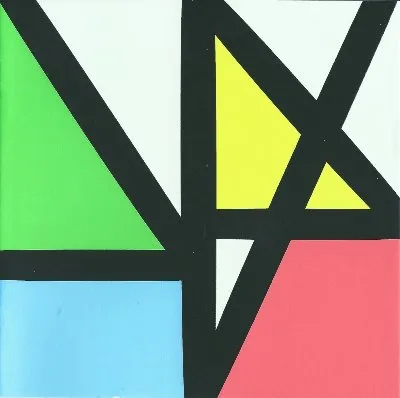
Music Complete
2015

Lost Sirens
2013

12x12"
2006

Waiting for the Sirens' Call
2005
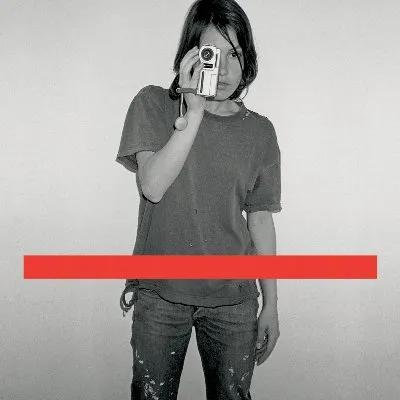
Get Ready
2001

Get Ready Premix (mastered)
2001

Republic
1993

Technique
1989

Brotherhood
1986
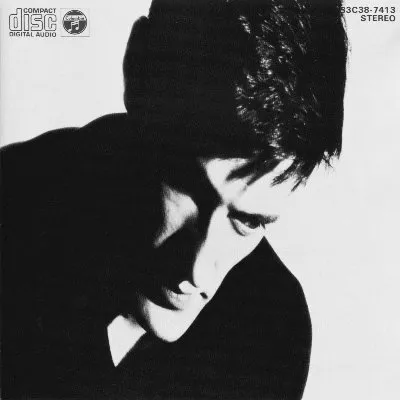
Low-Life
1985

Power, Corruption & Lies
1983
Taras Shevchenko
1983
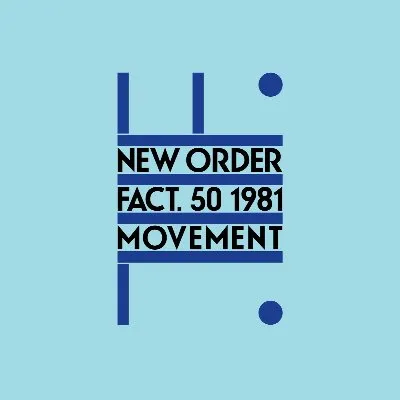
Movement
1981
EPs (14)

Blue Monday (Hawtin mix – alternate version 2)
2026
True Faith
2023

Tutti Frutti
2015
Confusion / Everything’s Gone Green / Waiting For The Sirens’ Call
2006

Krafty / Jetstream
2005

The Peter Saville Show Soundtrack
2003

60 Miles an Hour Tour EP
2002
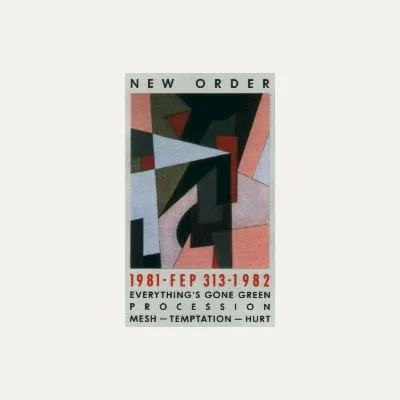
1981–1982
1982

Elegia / 5-8-6 / The Him
2012

Western Works Demos 9·7·80
2011
Subculture / State of the Nation / I Told You So
2006

Bizarre Love Triangle / Round and Round / True Faith / Fine Time
2006

5 Tracks
2005
Blue Order (Mega‐mix) / Bonus Bronski Beats
1990
Live (5)


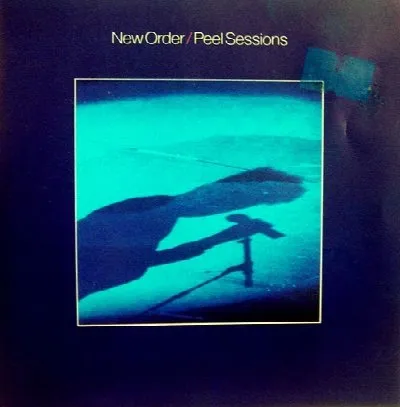
Compilations (7)

iTunes Originals: New Order
2007

Singles
2005

International
2002

Retro
2002

The Rest of New Order
1995

The Best of New Order
1994

Substance 1987
1987
Singles (34)
Grouped by decade — 4 eras.
2010s (2)
2000s (7)

Guilt Is a Useless Emotion
2005

Jetstream
2005

Krafty
2005

Here to Stay
2002

Someone like You
2001

60 Miles an Hour
2001

Crystal
2001
1990s (6)


1980s (19)

Run 2
1989

Round & Round
1989

Fine Time
1988

Blue Monday 1988
1988

Touched by the Hand of God
1987
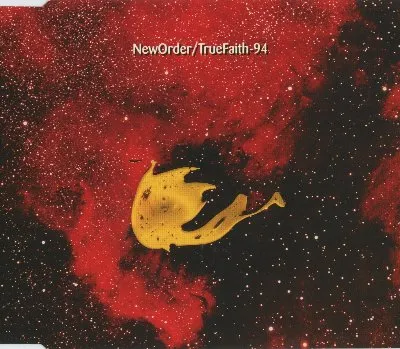
True Faith
1987

1963
1987

Bizarre Love Triangle
1986

State of the Nation
1986

Shellshock
1986
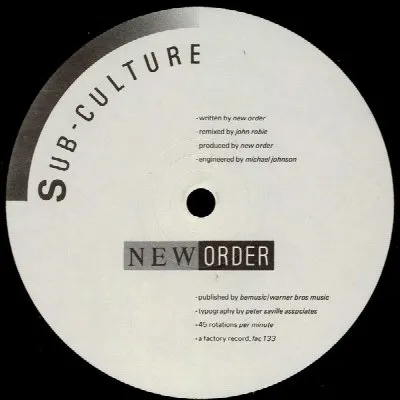
Sub-Culture
1985
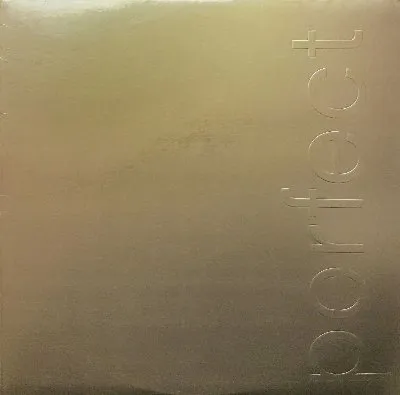
The Perfect Kiss
1985

Murder
1984

Thieves Like Us
1984
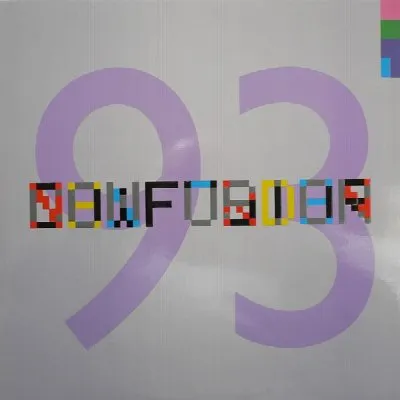
Confusion
1983

Blue Monday / The Beach
1983
Temptation
1982

Everything's Gone Green
1981
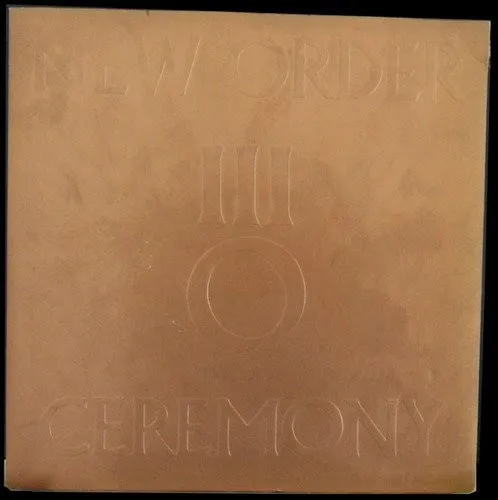
Ceremony
1981
Other releases (1)

.jpg)
No releases match the current filters.
Listen
Reference
Sync your library
Everything you track here works immediately — no account needed. Create one when you want to sync across devices.