

The albums that defined
the 1960s.
Our picks for where to start with 1960–1969 — with a one-line read on why each one matters.
The 1960s were when popular music figured out it could be art. The decade opens with the residue of doo-wop and Brill Building songcraft, then ruptures: the British Invasion, Motown's assembly line of soul, the folk revival turning electric, Brian Wilson chasing chamber pop in a sandbox, Coltrane reaching for the spiritual edge of jazz. By 1967 the album supplants the single as the unit of meaning. Sgt. Pepper, Pet Sounds, Highway 61 Revisited — records people argued about for their structure as much as their tunes.
The cultural lift is obvious now: civil rights, Vietnam, the counterculture all coursing through the songs. But the musical breakthroughs are what last. Producers became authors. Studios became instruments. The Beatles ran nine years between hiring on as a Hamburg bar band and breaking up at the height of their powers, and that arc — from craft to art to disintegration — is the spine of the decade.
Where to start: Pet Sounds for the orchestral pop blueprint, Blonde on Blonde for the lyric-as-novel apex, A Love Supreme for the spiritual jazz that refracts everything after, What's Going On (technically '71 but the project conceived in '69) for soul finding social conscience. Adjacent decades worth visiting: the late '50s that fed it, the early '70s that mourned its idealism.
Top of the 1960s
Twenty-four picks from 1960–1969, ranked by where we would start.

Thelonious Monk
Monk
Solo piano turns familiar melodies into angular puzzles before the quartet brings its own buoyant swing.
Start here

Thelonious Monk
Straight, No Chaser
Monk’s jagged piano turns familiar melodies into puzzles while the quartet swings with an elastic sense of time.
Start here
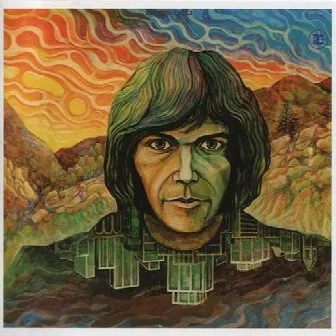
Neil Young
Neil Young
Orchestral shadows surround Neil Young’s thin, searching voice while electric guitars and acoustic detours pull in different directions.
Start here
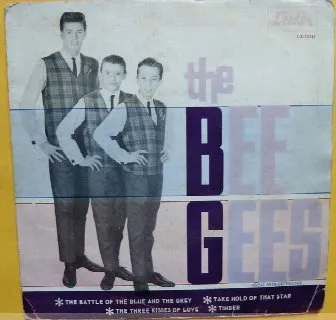
Bee Gees
The Bee Gees EP
A blend of harmonious melodies and earnest pop sensibilities define this early showcase of the Bee Gees' vocal prowess.
Start here
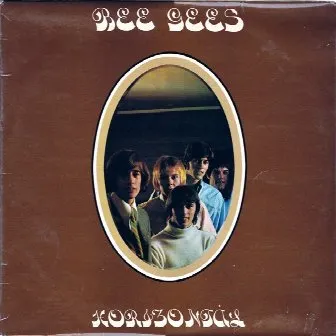
Bee Gees
Horizontal
A harmonious blend of soft rock melodies and poignant lyrics that reflect the evolving sound of the late 1960s.
Start here
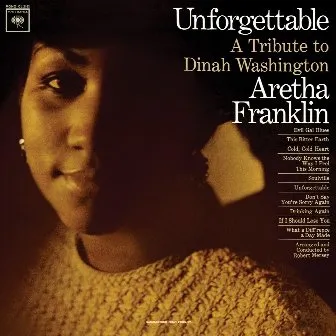
Aretha Franklin
Unforgettable: A Tribute to Dinah Washington
Soulful interpretations of classics float over lush arrangements, showcasing Franklin's powerful voice with a heartfelt tribute to a jazz icon.
Start here
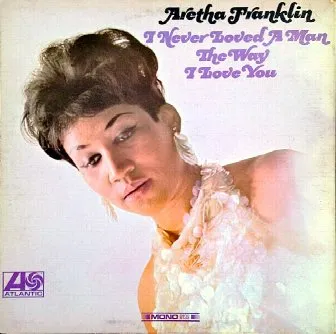
Aretha Franklin
I Never Loved a Man the Way I Love You
A powerful blend of gospel fervor and raw soul, driven by emotive vocal performances and rich instrumentation.
Start here

Count Basie
Basie's in the Bag
Basie’s big band puts a brassy swing behind the clipped grooves and familiar hooks of 1960s soul.
Start here

Count Basie
String Along with Basie
Basie’s spare piano finds room to swing amid the soft glow of orchestral strings.
Start here

Dave Brubeck
Jazz Impressions of Japan
Brubeck’s quartet turns Japanese travel impressions into jazz that moves from bustling urban rhythms to spacious piano reverie.
Start here

Dave Brubeck
Anything Goes! The Dave Brubeck Quartet Plays Cole Porter
Cole Porter’s Broadway melodies become agile quartet conversations, with Paul Desmond’s cool alto saxophone gliding over shifting rhythms.
Start here
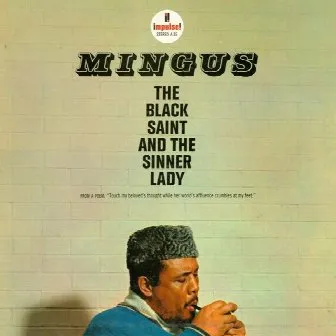
Charles Mingus
The Black Saint and the Sinner Lady
Mingus turns a jazz orchestra into a restless dance troupe whose brass surges give way to intimate solos and Spanish guitar.
Start here

Charles Mingus
Blues & Roots
Gospel-charged horns shout over a rolling rhythm section, turning blues and church fervor into exuberant ensemble jazz.
Start here
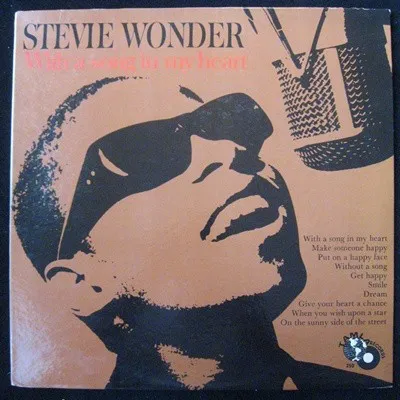
Stevie Wonder
With a Song in My Heart
A young voice brings Broadway optimism to orchestral pop standards with the polish of an early Motown studio production.
Start here
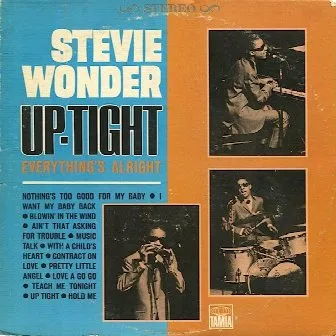
Stevie Wonder
Up Tight
A teenage voice pushes against Motown’s crisp rhythms, bringing urgency to dance-floor singles and warmth to standards.
Start here
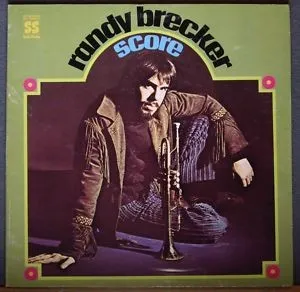
Randy Brecker
Score
Trumpet lines cut through a jazz-rock setting where electric grooves leave room for exploratory ensemble playing.
Start here
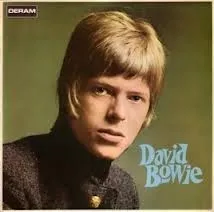
David Bowie
David Bowie
Music-hall melodies meet orchestral pop and macabre character sketches, ending in a graveside monologue amid rain and thunder.
Start here
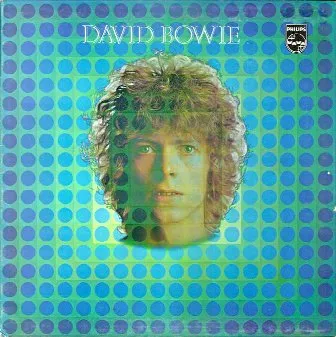
David Bowie
David Bowie
Acoustic folk opens into orchestral spaceflight and ragged rock before a festival singalong stretches toward the horizon.
Start here
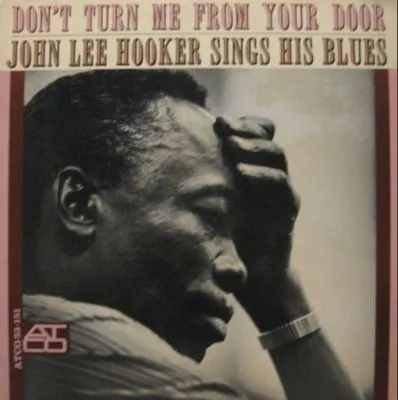
John Lee Hooker
Don't Turn Me from Your Door
Spare electric blues move at an unhurried sway, leaving plenty of room for sly phrasing and restless rhythm.
Start here
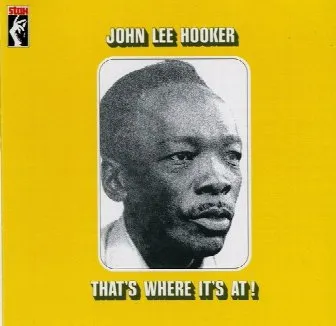
John Lee Hooker
That's Where It's At!
Hooker’s patient blues grooves stretch from compact pleas to an unhurried seven-minute lament.
Start here
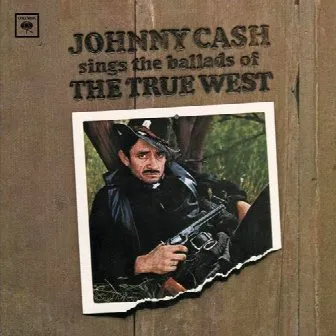
Johnny Cash
Johnny Cash Sings the Ballads of the True West
Cash’s grave baritone carries frontier ballads through a landscape of spare country arrangements and spoken history.
Start here
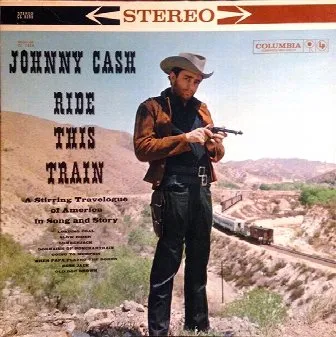
Johnny Cash
Ride This Train
Cash’s deep voice carries working lives across a landscape of train rhythms and spoken-story interludes.
Start here
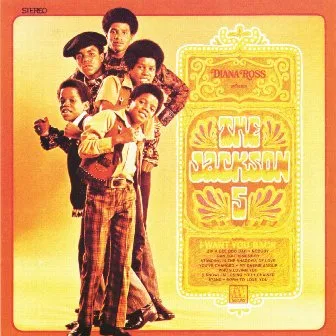
The Jackson 5
Diana Ross Presents The Jackson 5
Youthful voices ride Motown’s spring-loaded rhythms while Michael Jackson turns heartbreak into urgent soul drama.
Start here
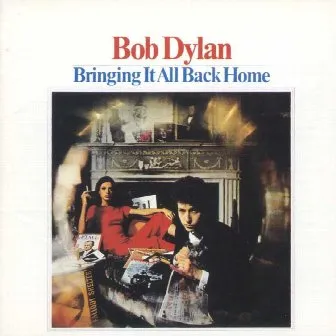
Bob Dylan
Bringing It All Back Home
Electric blues tumbles into surreal acoustic balladry as a restless voice turns everyday speech into something strange.
Start here
By genre
The 60s, one tradition at a time.