

Bands & artists like Akira Sakata
If you like Akira Sakata, these artists play in similar sounds, ideas, or styles. Use this as a starting point to branch out and find something new to listen to.
New to Akira Sakata? Start with our listening guide.
Artists to try next

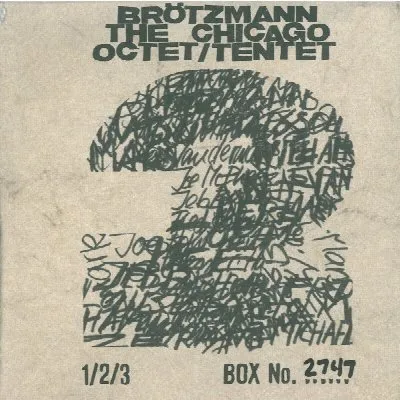
Peter Brötzmann
GuideKnown for his intense free jazz performances, Brötzmann's work features aggressive horn blasts and a raw energy that resonates with Sakata's jagged textures.

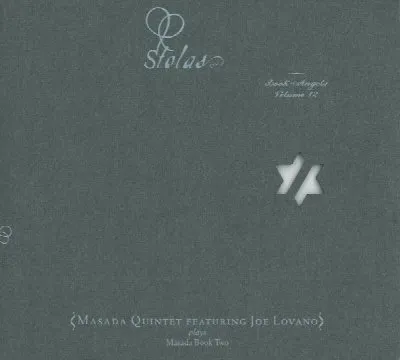
Masada
John Zorn's Masada combines intricate compositions with improvisational freedom, creating a dynamic sound that mirrors the chaos and clarity found in Sakata's music.

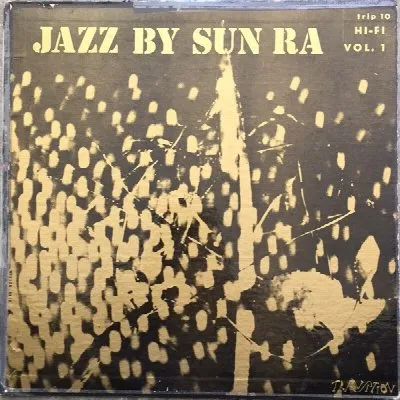
Sun Ra
GuideSun Ra's avant-garde approach to jazz incorporates cosmic themes and unpredictable shifts in mood, paralleling the meditative pauses and sharp contrasts of Sakata's style.

Derek Bailey
GuideBailey's innovative guitar work in free improvisation shares a similar ethos of exploration and unpredictability, akin to the sonic tapestry woven by Sakata.

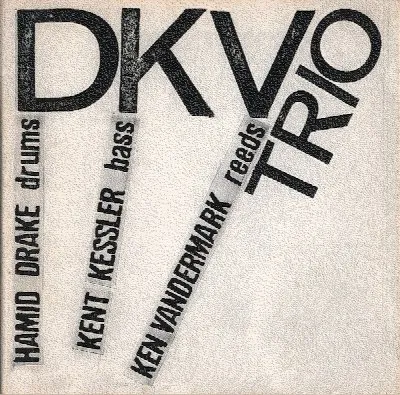
Ken Vandermark
GuideVandermark's use of diverse instrumentation and complex structures in his compositions aligns closely with the multifaceted nature of Sakata's free jazz explorations.

Ornette Coleman
GuideColeman's pioneering free jazz style emphasizes emotional expression and spontaneous creativity, reflecting the chaotic yet meditative qualities present in Sakata's work.


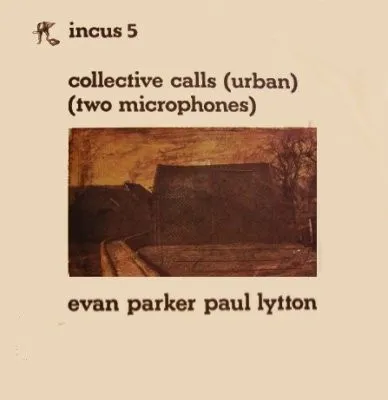
Evan Parker
Parker's mastery of circular breathing and extended techniques on saxophone creates a fluidity that complements the jagged dynamics characteristic of Sakata's performances.

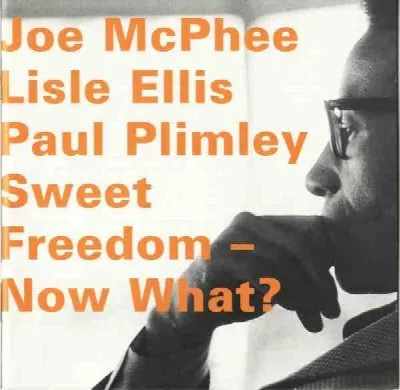
Joe McPhee
McPhee blends various musical styles with an emphasis on improvisation, resulting in a rich sound palette that resonates with the complexity found in Sakata's music.
Common questions
Who sounds like Akira Sakata?
Artists similar to Akira Sakata include Peter Brötzmann, Masada, Sun Ra and Derek Bailey. Each shares elements of Akira Sakata's sound while bringing their own perspective.
What genre is Akira Sakata?
Akira Sakata is primarily known for free jazz. A tapestry of jagged textures unfolds through sudden shifts in intensity, where sharp horn blasts collide with meditative pauses, creating moments of both chaos and clarity.
Where should I start if I like Akira Sakata?
If you enjoy Akira Sakata, start with Peter Brötzmann — their album "The Chicago Octet/Tentet" is a great entry point. Known for his intense free jazz performances, Brötzmann's work features aggressive horn blasts and a raw energy that resonates with Sakata's jagged textures.