

Bands & artists like Blaise Siwula
If you like Blaise Siwula, these artists play in similar sounds, ideas, or styles. Use this as a starting point to branch out and find something new to listen to.
Artists to try next

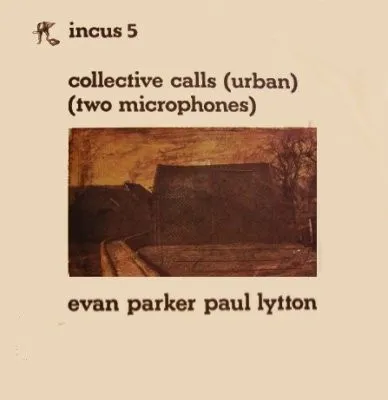
Evan Parker
Parker's improvisational saxophone work shares a similar delicate tension and exploration of silence, creating profound emotional landscapes.

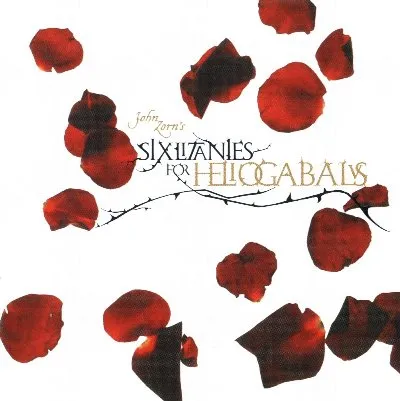
John Zorn
GuideZorn's avant-garde compositions often incorporate nuanced phrasing and unexpected pauses, echoing Siwula's intricate approach to jazz.

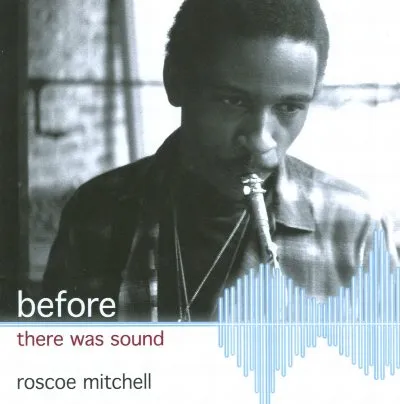
Roscoe Mitchell
Mitchell's experimental style and focus on texture and silence in his saxophone performances align closely with Siwula's sonic explorations.

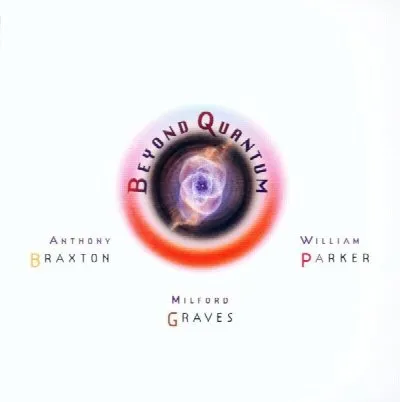
Anthony Braxton
GuideBraxton’s innovative use of improvisation and complex structures resonates with the emotional depth found in Siwula’s music.

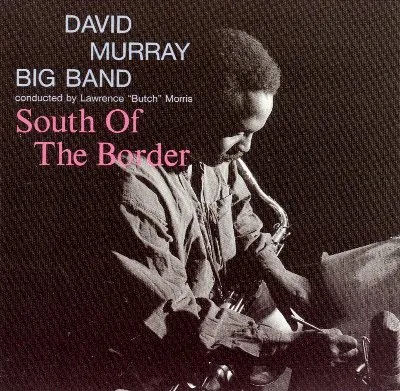
David Murray
GuideMurray's expressive saxophone playing often features moments of stark silence that enhance the emotional weight of his compositions.

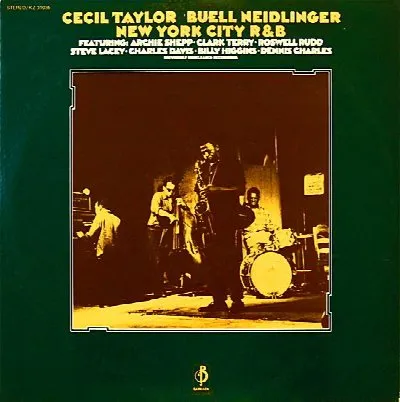
Cecil Taylor
GuideTaylor's avant-garde piano style incorporates intricate phrasing and a focus on silence, creating an immersive listening experience akin to Siwula’s.

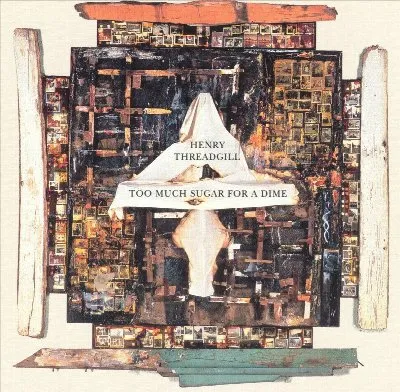
Henry Threadgill
Threadgill’s unique blend of jazz elements and emphasis on structural innovation mirror the exploratory nature of Siwula’s music.

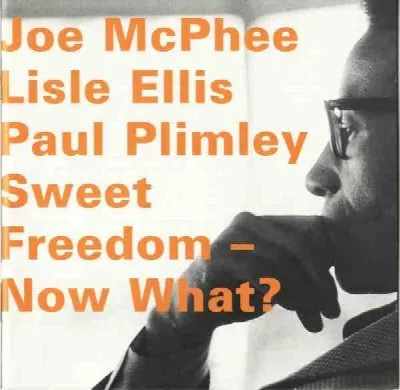
Joe McPhee
McPhee’s multifaceted approach to improvisation and use of silence as a tool for emotional expression resonate strongly with Siwula’s style.
Common questions
Who sounds like Blaise Siwula?
Artists similar to Blaise Siwula include Evan Parker, John Zorn, Roscoe Mitchell and Anthony Braxton. Each shares elements of Blaise Siwula's sound while bringing their own perspective.
What genre is Blaise Siwula?
Blaise Siwula is primarily known for jazz. Siwula’s music unfolds with a delicate tension, characterized by nuanced phrasing and moments of stark silence that create space for emotional resonance.
Where should I start if I like Blaise Siwula?
If you enjoy Blaise Siwula, start with Evan Parker — their album "Collective Calls (Urban) (Two Microphones)" is a great entry point. Parker's improvisational saxophone work shares a similar delicate tension and exploration of silence, creating profound emotional landscapes.