

Bands & artists like Luigi Nono
If you like Luigi Nono, these artists play in similar sounds, ideas, or styles. Use this as a starting point to branch out and find something new to listen to.
Artists to try next

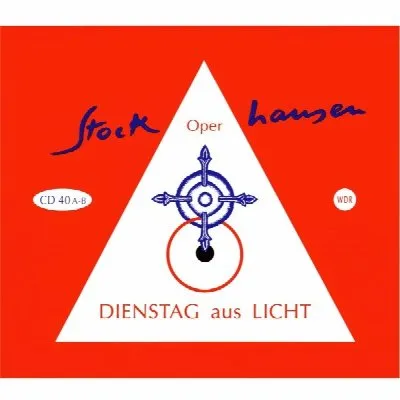
Karlheinz Stockhausen
GuideFor a similarly radical use of spatialized sound, electronics, and tightly controlled musical layers that make listening feel immersive.

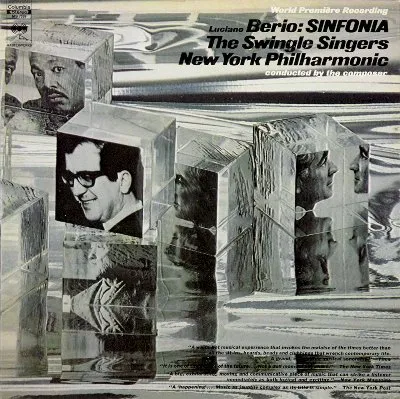
Luciano Berio
GuideHis experimental vocal works and collage-like textures offer a close match if you’re drawn to Nono’s charged dialogue between voice, language, and ensemble.

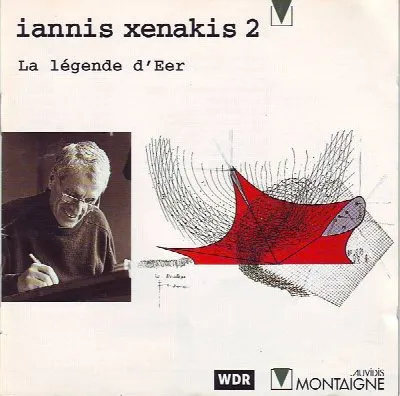
Iannis Xenakis
Explore him for dense orchestral masses, abrupt contrasts, and sound worlds that balance overwhelming force with precise structure.

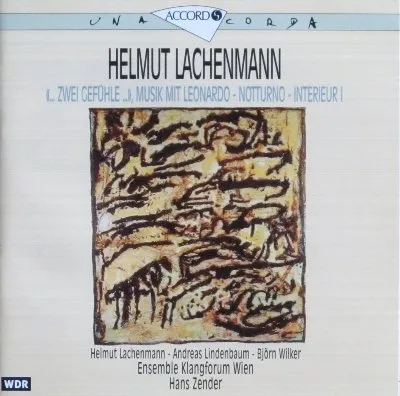
Helmut Lachenmann
His music turns instrumental noise, breath, and silence into expressive material, echoing Nono’s attention to the texture of sound itself.

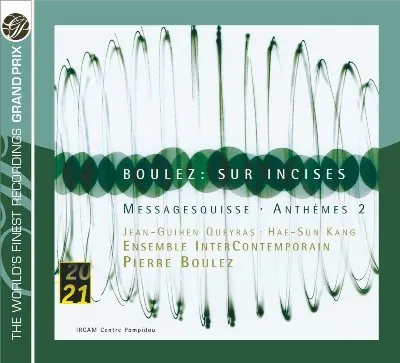
Pierre Boulez
His intricate, sharply articulated modernist writing suits listeners who want dense layers organized with exacting clarity.

György Ligeti
GuideHis shifting clusters and finely grained textures create a similar sense of complexity that can suddenly resolve into striking clarity.


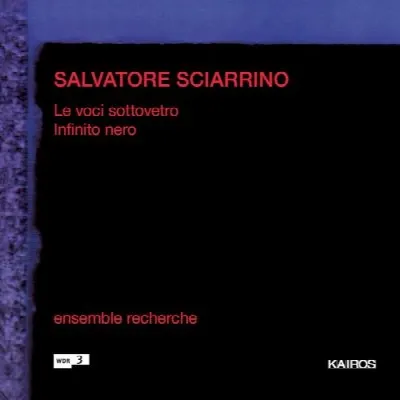
Salvatore Sciarrino
Look to his hushed, fragile vocal and instrumental writing for a more spectral take on Nono’s interplay of silence and intensity.

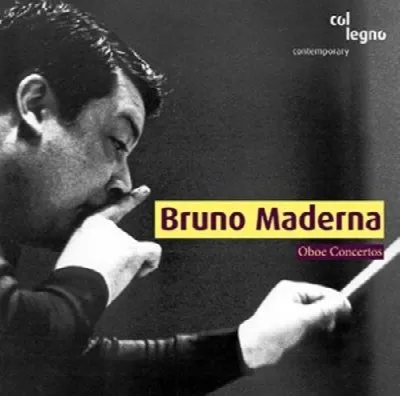
Bruno Maderna
His postwar orchestral and vocal works share Nono’s avant-garde milieu, with restless sonorities and a strong sense of dramatic tension.
Common questions
Who sounds like Luigi Nono?
Artists similar to Luigi Nono include Karlheinz Stockhausen, Luciano Berio, Iannis Xenakis and Helmut Lachenmann. Each shares elements of Luigi Nono's sound while bringing their own perspective.
What genre is Luigi Nono?
Luigi Nono is primarily known for opera. Nono's compositions pulse with dense layers of sound punctuated by silence, creating an intricate dialogue between chaos and clarity that commands attention.
Where should I start if I like Luigi Nono?
If you enjoy Luigi Nono, start with Karlheinz Stockhausen — their album "DIENSTAG aus LICHT" is a great entry point. For a similarly radical use of spatialized sound, electronics, and tightly controlled musical layers that make listening feel immersive.