

Bands & artists like Mauricio Kagel
If you like Mauricio Kagel, these artists play in similar sounds, ideas, or styles. Use this as a starting point to branch out and find something new to listen to.
New to Mauricio Kagel? Start with our listening guide.
Artists to try next

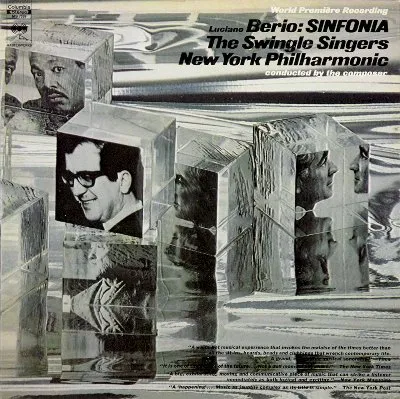
Luciano Berio
GuideHis collage-like orchestral and vocal writing layers contrasting styles and textures, often making the mechanics of performance part of the drama.

John Cage
GuideExplore his chance-based scores for unexpected timbres, altered notions of rhythm, and a vivid attention to silence.

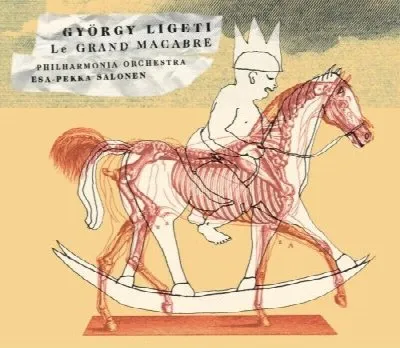
György Ligeti
GuideHis dense micropolyphonic writing and the grotesque theatricality of works like *Le Grand Macabre* make for similarly striking contrasts.

Karlheinz Stockhausen
GuideHis spatialized sound, electronic timbres, and highly theatrical conception of performance offer a more expansive route into experimental music.

Peter Maxwell Davies
His chamber operas and theatrical scores pair sharply etched gestures with abrupt stylistic shifts and dense instrumental writing.

Cornelius Cardew
His open and graphic scores invite unpredictable ensemble textures, making rhythm and the act of performance central to the listening experience.

Alfred Schnittke
GuideHis polystylistic writing collides contrasting musical languages in tense, theatrical layers that can feel deliberately unstable.
Common questions
Who sounds like Mauricio Kagel?
Artists similar to Mauricio Kagel include Luciano Berio, John Cage, György Ligeti and Karlheinz Stockhausen. Each shares elements of Mauricio Kagel's sound while bringing their own perspective.
What genre is Mauricio Kagel?
Mauricio Kagel is primarily known for opera. The music pulsates with sharp contrasts and unexpected textures, weaving together dense layers of sound that engage listeners in a tactile experience of rhythm and silence.
Where should I start if I like Mauricio Kagel?
If you enjoy Mauricio Kagel, start with Luciano Berio — their album "Sinfonia" is a great entry point. His collage-like orchestral and vocal writing layers contrasting styles and textures, often making the mechanics of performance part of the drama.